Show summary Hide summary
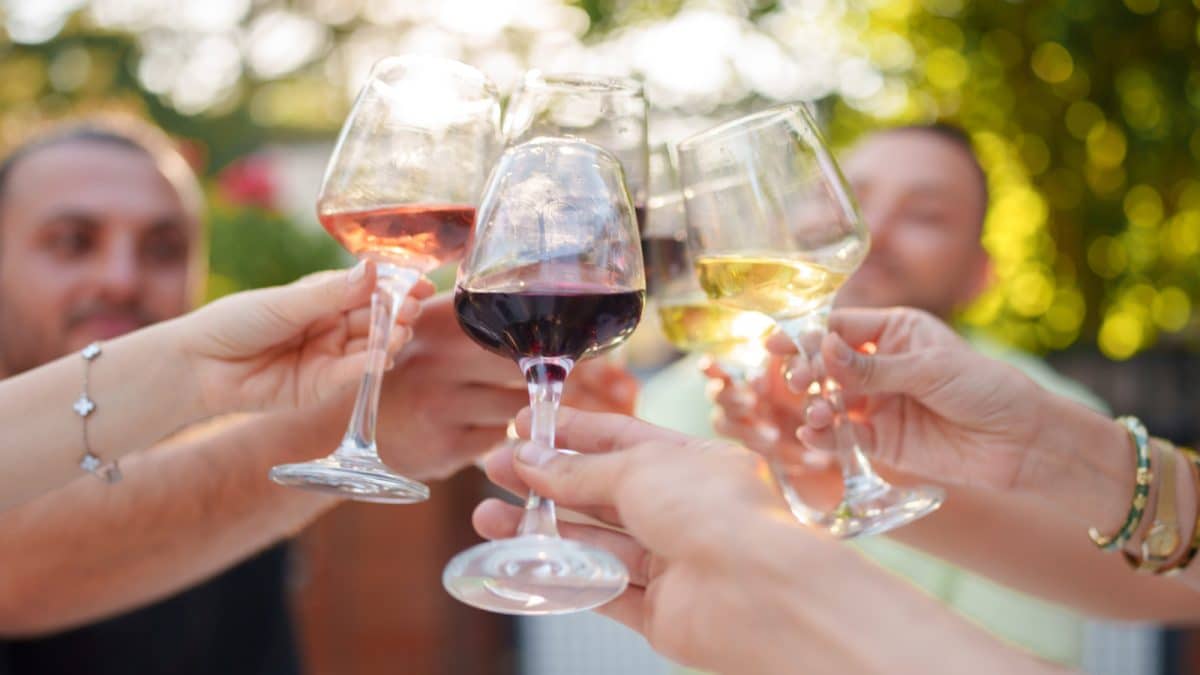
If you think French wine is all about Bordeaux reds, the south of France still has surprises worth seeking out. A recent tasting through the Rhône valley and neighboring regions highlights six distinctive bottlings — each shaped by local soils, climate and long-established production rules that matter for what ends up in your glass.
White Bordeaux: a crisp alternative
Caramel, butterscotch, toffee: how their differences affect your desserts
McDonald’s rebrands Twitter to honor Bubba Wallace after his first NASCAR Cup win
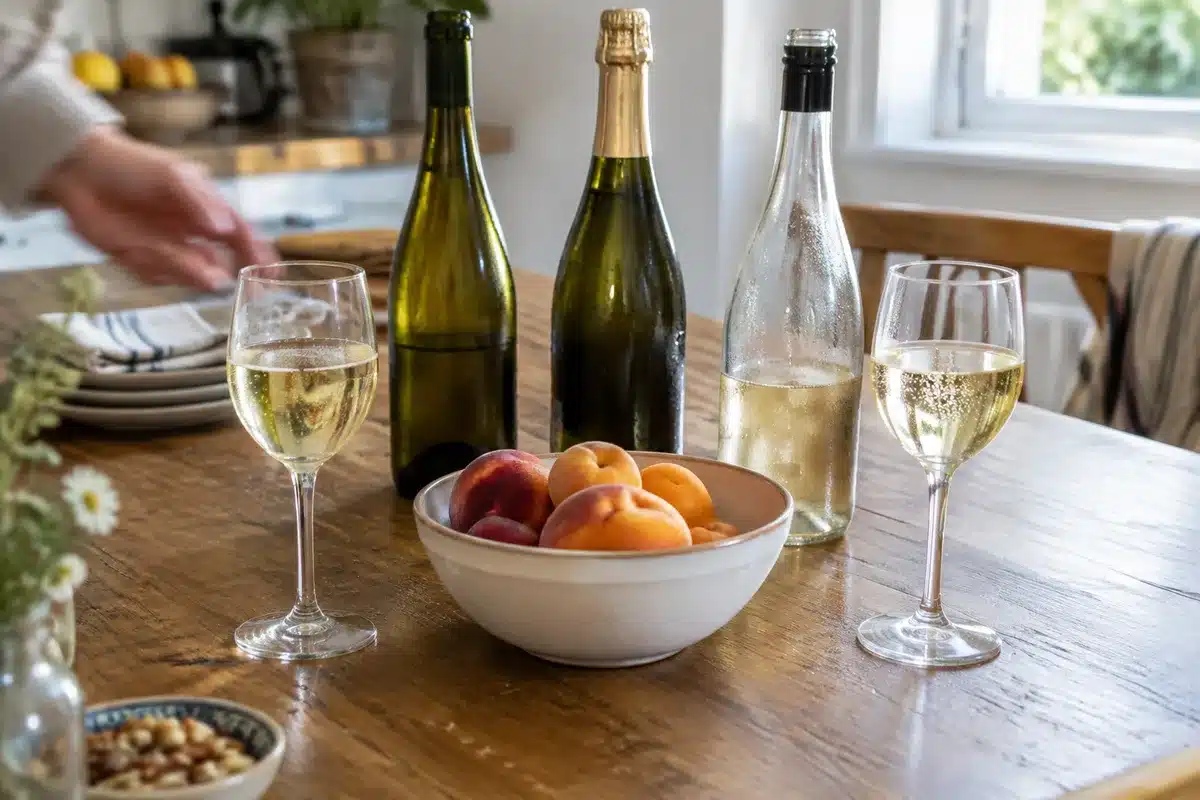
When most American drinkers hear “Bordeaux” they picture tannic reds; yet the region produces notable whites that deserve attention. Grown on the right bank of the Garonne, these blends tend to show a fresh, herbaceous nose and a dry, citrus-driven palate.
Producers here often insist on manual harvesting and careful blending, and the wines pair well with seafood and goat cheese. Look for labels that emphasize vintage and vineyard — they can point to more precise styles.
Châteauneuf‑du‑Pape (primarily red outside France)
Châteauneuf‑du‑Pape exists in both red and white forms, but most of what reaches international markets is red. These wines are typically rich, with jammy fruit, robust tannins and a spice element that can include pepper and baking spice notes.
Production here is tightly regulated under the AOC system: hand harvesting and strict vineyard rules limit yields and encourage concentration. Only a small number of estates make the white versions, so if you encounter one in France, it’s a rare treat.
Aix‑en‑Provence rosé: dry and refined
Provence rosé dominates headlines, but rosés from the Aix area stand out for their restraint. Expect very little sweetness — instead you’ll find a clean, dry profile that’s cooling on a hot afternoon.
The region’s long sun exposure, strong winds and limestone-clay soils shape the grapes, lending the wines clarity and snap. For summer drinking, an Aix rosé is a reliable, food-friendly choice.
Gigondas grenache: single‑varietal depth
In the Rhône, Gigondas is notable because the appellation permits wines made from 100% Grenache. That freedom produces deeply colored, fruit-forward wines with a spicy backbone and a velvety mouthfeel.
Whether sold as single‑varietal or in a blend, Gigondas bottles typically balance power and finesse, pairing well with roasted meats and hearty stews.
La Clape: coastal minerality on the Languedoc coast
Perched by the Mediterranean, La Clape enjoys a maritime climate that gives both red and white wines a distinctive character. Reds often show black‑fruit and vanilla notes with a plush texture; whites tend toward pronounced minerality — a reflection of the limestone and proximity to the sea.
Vintages from La Clape are especially worth trying if you enjoy wines with saline lift and clear fruit concentration.
Tavel rosé: bolder color, bolder flavor
Tavel was one of the first French zones dedicated to rosé, and the wines still reflect that focus. Compared with pale Provençal rosés, Tavel wines are darker in hue — think blood‑orange or watermelon — due to a longer maceration on the skins.
They deliver riper fruit impressions such as strawberry and watermelon and hold up well to grilled fish, charcuterie and robust summer salads.
Across these regions one theme is clear: place matters. The combination of climate, soil and local rules — collectively known as terroir — guides what styles thrive where, and many producers reinforce that identity through hand harvesting and traditional methods.
- White Bordeaux — crisp, citrusy; great with shellfish; often hand‑picked.
- Châteauneuf‑du‑Pape (red) — concentrated, tannic, spiced; look for AOC on the label.
- Aix‑en‑Provence rosé — very dry and refreshing; ideal for hot weather.
- Gigondas (Grenache) — deep, spicy, velvety; powerful single‑varietal options exist.
- La Clape — coastal minerality in whites; plush red fruit with vanilla notes in reds.
- Tavel rosé — darker, fruitier rosé; pairs well with grilled salmon and savory salads.
If you’re branching out from familiar French names, these six styles offer a practical roadmap: check the appellation, note whether grapes were handpicked, and match wine weight to food. Many of these bottles are increasingly available outside France, but some — especially local whites — remain rare in export markets, so keep an eye on wine shops with strong European imports.
Irish whiskey: approachable bottles new drinkers should try today
Fishtown restaurants ranked: must-visit spots locals are raving about