Show summary Hide summary
Cold salads—pasta, potato, grain bowls—are summer staples, but many arrive at the table bland, watery, or texturally flat. Small technique changes — especially how you handle temperature, seasoning, and texture — can transform them from forgettable side dishes into something guests actually ask for seconds of.
Warm ingredients, better flavor
One of the simplest shifts is counterintuitive: don’t cool everything completely before assembly. When you toss a warm component, like just-drained pasta or freshly roasted vegetables, with a dressing, the warmer surface helps absorb flavors and carry aromatics. That matters now, as more people entertain outdoors and want dishes that travel well and still taste vibrant.
Caramel, butterscotch, toffee: how their differences affect your desserts
McDonald’s rebrands Twitter to honor Bubba Wallace after his first NASCAR Cup win
On the flip side, be mindful of food safety: hot-to-cold combinations should be cooled quickly and held at safe temperatures if not served right away.
Five practical rules to improve any cold salad
- Season while hot: Salt ingredients such as potatoes or grains while they’re still warm so the seasoning is absorbed, not just sitting on the surface.
- Toss warm, rest cold: Combine warm elements with dressing to trap flavor, then chill briefly to let the flavors meld. This creates depth without sogginess.
- Balanace acid and fat: A bright acid (vinegar, lemon) should cut through oil and starch. Add the acid at the end to preserve brightness.
- Prioritize texture: Mix creamy, crunchy, and chewy elements—think roasted nuts, crisp herbs, and chewy pasta—for interest in every bite.
- Hold components separately: Keep delicate greens, croutons, or crunchy toppings apart until serving to maintain contrast.
Quick fixes for common problems
Below are straightforward diagnostics and immediate remedies you can use the next time a salad goes off-script.
| Problem | Quick fix | Example |
|---|---|---|
| Soggy pasta or potato salad | Toss with a little acid and refrigerate briefly; hold crunchy add-ins off until serving | Add lemon juice, chill 20–30 minutes, then add toasted almonds |
| Flat, bland taste | Brighten with finishing salt and a spritz of citrus | Finish with flaky sea salt and orange zest |
| Overdressed, greasy mouthfeel | Drain the excess, add starch or greens to absorb oil | Fold in more pasta or arugula to soak up dressing |
| Ingredients separate or don’t cling | Emulsify dressing or add a touch of mustard or honey to bind | Whisk olive oil with Dijon and vinegar before tossing |
A practical example: chorizo pasta salad
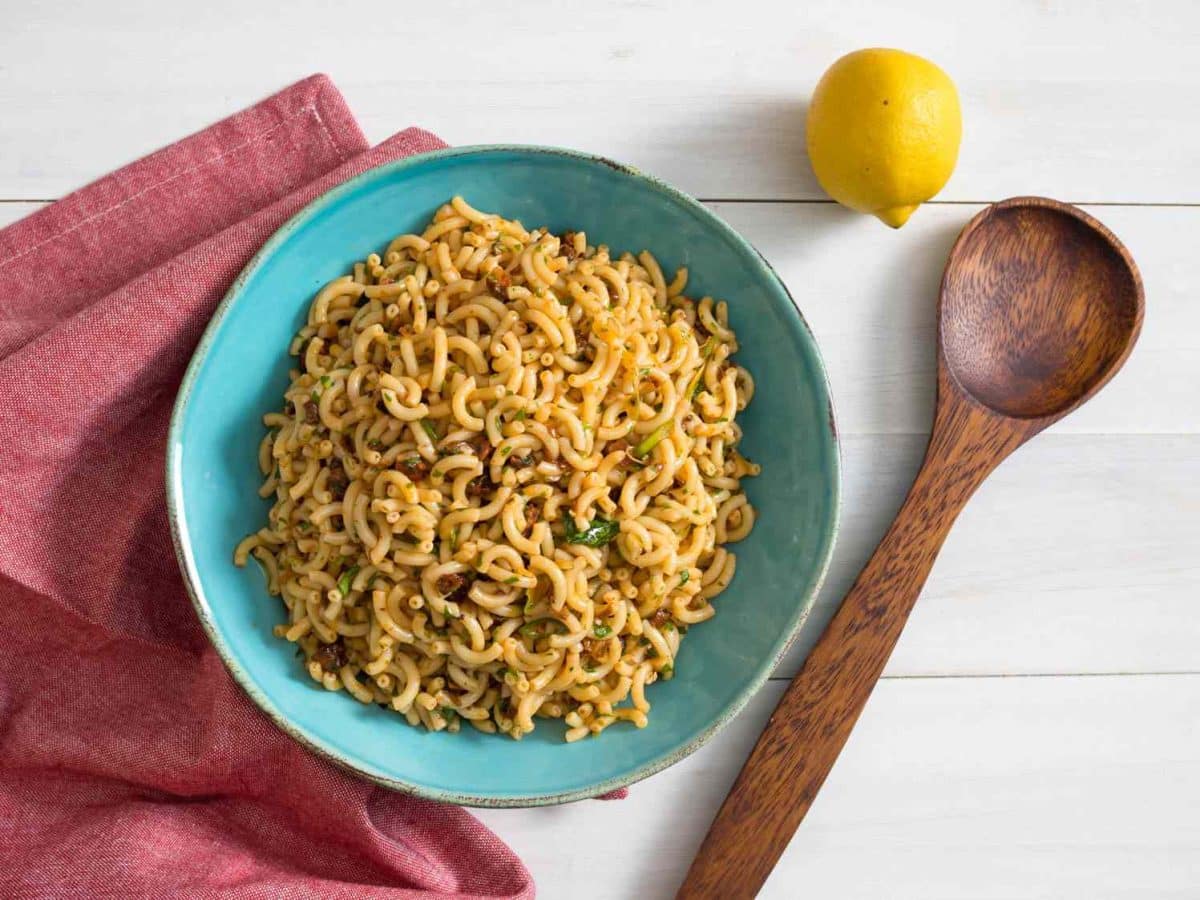
Try this approach next time you want a punchy, picnic-ready pasta salad. Start by searing sliced chorizo until the fat renders and edges caramelize—reserve a tablespoon of that flavored oil. Cook the pasta just shy of al dente, drain, and while still warm, toss it with the reserved oil and a splash of red wine vinegar so the starch soaks up flavor.
Add diced peppers or roasted cherry tomatoes for sweetness, chopped parsley for freshness, and a handful of toasted chickpeas for crunch. Wait 15–30 minutes in the refrigerator to let everything settle; finish with a scatter of fresh herbs and a squeeze of lemon before serving. The result keeps well and refuses to taste like a reheated afterthought.
Final tip: Taste at three moments — after seasoning the hot base, after chilling, and just before serving — and adjust salt, acid, or texture at each step. That little ritual is the difference between a decent salad and one that people remember.
Irish whiskey: approachable bottles new drinkers should try today
Fishtown restaurants ranked: must-visit spots locals are raving about