Show summary Hide summary
Long-held rules about cooking meat — from resting times to the need for high heat — still shape how many people cook at home. A handful of those traditions are either outdated or misunderstood, and correcting them can improve flavor, food safety, and reduce wasted effort in the kitchen today.
Why vets and chefs are questioning classic advice
Culinary science and better home equipment have changed what works. Some former “rules” were based on limited tests or older cooking tools; others arose from confusion between safety and doneness. For everyday cooks, knowing which practices still matter and which to skip cuts down on mistakes and delivers more consistent results.
Caramel, butterscotch, toffee: how their differences affect your desserts
McDonald’s rebrands Twitter to honor Bubba Wallace after his first NASCAR Cup win
Five meat myths to stop following
| Myth | What actually happens | Quick fix |
|---|---|---|
| Always sear to “seal in the juices” | Searing creates flavor through the Maillard reaction; it does not lock in juices. Internal moisture is governed by temperature and cooking time. | Use high heat for crust, then monitor internal temperature to avoid overcooking. |
| Resting must be long — 10–15 minutes for all cuts | Resting redistributes juices, but ideal time varies with cut and size. Small steaks need less time than roasts. | Rest small steaks 5–7 minutes; larger roasts 10–20 minutes. Tent loosely with foil. |
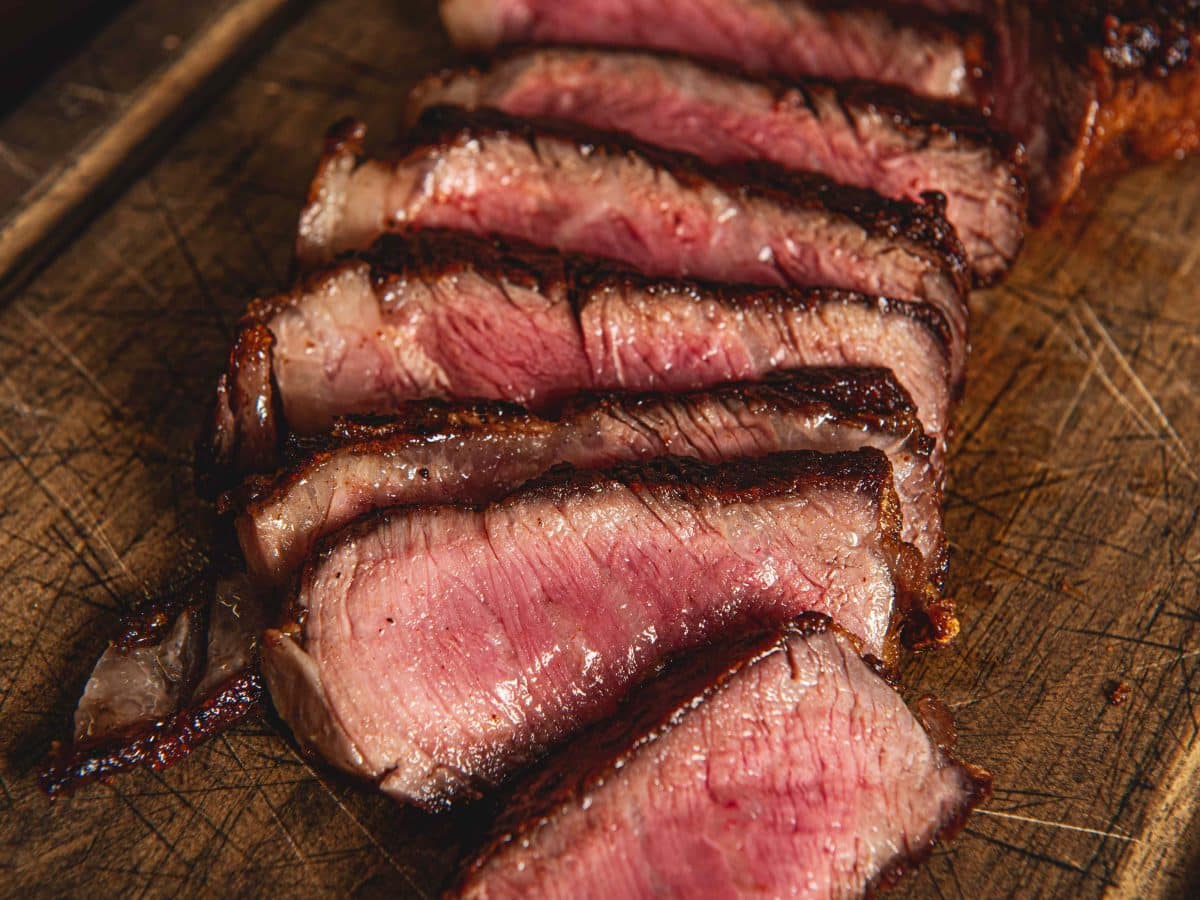
| Cooking by color tells doneness | Color is unreliable, especially for smoked or cured meats. Only a thermometer gives an accurate doneness reading. | Use an instant-read thermometer and target safe temps for the meat type. |
| Flip only once during pan-searing | Repeated flipping can actually produce a more even crust and cook without losing moisture if done correctly. | Flip every 30–60 seconds for a consistent sear on thin cuts; thicker pieces benefit from fewer turns. |
| All frozen meat must be fully thawed before cooking | Some frozen-thawed methods work fine (and save time). Cooking from frozen is safe for many methods but affects timing and sear. | Adjust cooking time and finish in the oven or under a lid to ensure even cooking. |
Small adjustments make outsized differences. For example, relying on a thermometer reduces guesswork and food waste. Likewise, understanding the science behind a sear or a rest helps cooks spend effort where it matters most.
Safety versus preference: where they diverge
Food safety is non-negotiable: ground meat and poultry need higher minimum temperatures than intact beef or pork. But aesthetic preferences — pink versus gray center, firm versus slightly springy texture — are culinary choices rather than safety rules for whole cuts.
To balance both: follow the safety guidelines for minimum internal temperatures, then refine timing to match the texture you prefer. If you’re unsure, an instant-read thermometer is the simplest tool that delivers both safety and consistency.
Practical tips to update your routine
- Invest in a reliable thermometer: it’s the single best upgrade for consistent meat results.
- Match resting time to the cut — shorter for steaks, longer for roasts — and tent loosely to hold heat without steaming the crust.
- Don’t confuse browning with doneness; focus on internal temperature and visual cues together.
- If cooking from frozen, allow extra time and finish with gentler heat to avoid an overcooked exterior.
- Use high heat for flavor-building, then reduce to moderate heat to bring meat to the target temperature.
What cooks should keep doing
Some traditions remain valuable: trimming excessive fat when needed, seasoning ahead of cooking for deeper flavor, and letting meat come closer to room temperature only when time and food safety allow. Those fundamentals are about technique, not dogma.
Ultimately, retiring a myth doesn’t remove discipline from the kitchen — it reallocates it. Focus on measurable steps (temperature, timing, and technique) and your results will be more reliable and enjoyable.
Irish whiskey: approachable bottles new drinkers should try today
Fishtown restaurants ranked: must-visit spots locals are raving about