
Show summary Hide summary
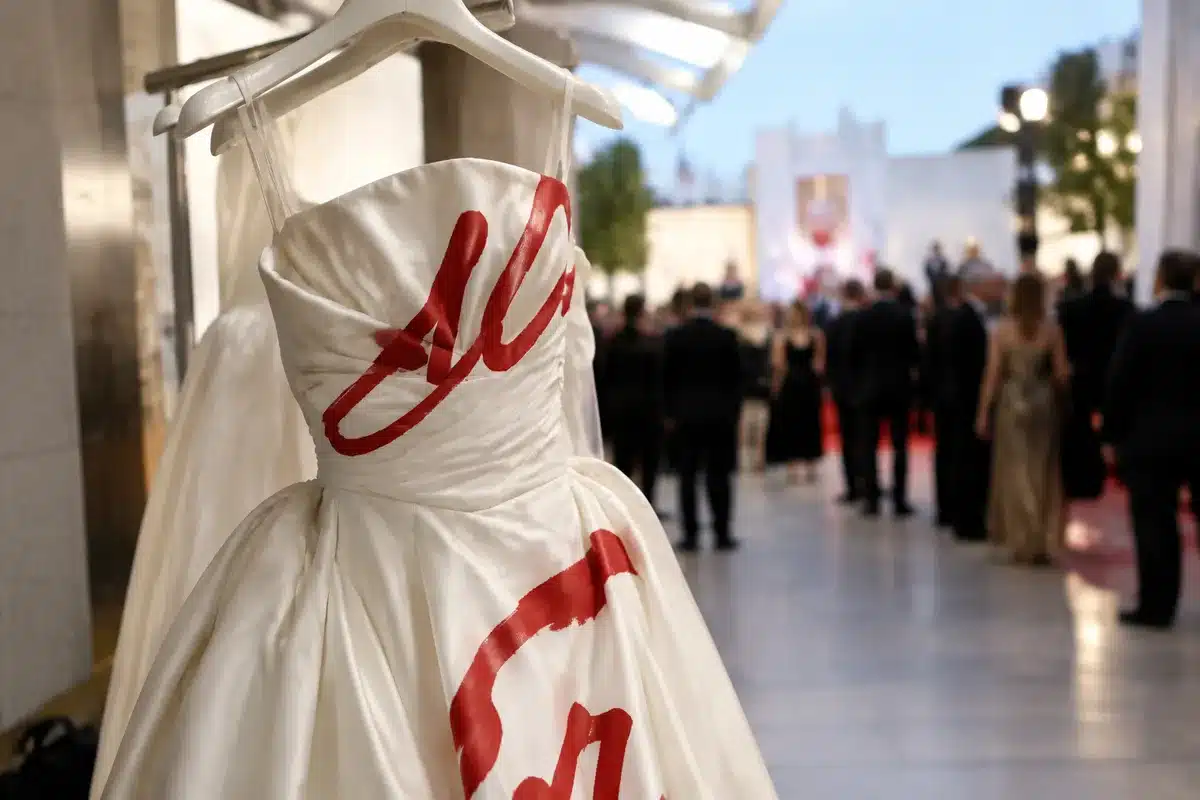
At the Met Gala on Monday, Rep. Alexandria Ocasio-Cortez turned a couture moment into a political one: a white gown bore the message “Tax the Rich” in red script, and the image quickly spread across social media—prompting comparisons to a well-known fast-food font and renewed debate over wealth and policy. The stunt landed squarely in the middle of an ongoing congressional fight over spending and taxation, making the outfit more than a red-carpet headline.
Social reaction and the visual echo
Within hours, users on Twitter and Instagram were juxtaposing photos of Ocasio-Cortez’s dress with packaging and ads from Chick-fil-A, noting a resemblance in lettering and tone. Some responses were playful — quips about dinner plans — while others treated the comparison as a sharper critique of messaging and branding.
San Francisco restaurants: new openings to try in November 2026
Beef braises surge as weekend comfort: 10 hearty, saucy recipes to try

Still, the attention was not only about visual parallels. The dress became a vehicle for conversation about who pays for large-scale policy proposals and how politicians use cultural moments to amplify ideas outside of conventional forums.
What Ocasio-Cortez said
Speaking on the red carpet, Ocasio-Cortez framed the message as an invitation to debate distribution and access. She said the choice was deliberate: she and designer Aurora James wanted to use the event as a way to question the social hierarchies the Gala represents and to center the perspectives of working-class women of color.
- Dress: White gown with red lettering reading “Tax the Rich”
- Designer: Aurora James
- Public reaction: Viral comparisons to Chick-fil-A branding; mixed responses from humor to policy discussion
- Political context: Aligns with Ocasio-Cortez’s push for higher taxes on top earners to fund agenda items
- Event: Met Gala — tickets reported to start around $30,000
Policy stakes behind the moment
Ocasio-Cortez has been a visible backer of President Biden’s reconciliation framework — a sweeping package that, in her view, should be financed in part by asking more of the wealthiest Americans. By placing that slogan in a high-profile cultural setting, she linked a spectacle to a substantive legislative fight over the size and funding of social programs.
For readers tracking the reconciliation debate, the gesture matters because it keeps tax policy and equity at the center of public attention. Visual moments like this can shift media coverage, influence public discourse and, indirectly, the terms lawmakers use when negotiating budgets.
Other notable attendees and optics
The Gala also drew New York City Mayor Bill de Blasio, whose presence prompted comment because he had publicly dismissed the event as out of step with his politics in an earlier year. His attendance, alongside Ocasio-Cortez’s protest-as-fashion, underscored the tension between participating in elite institutions and critiquing them.

Whether or not Ocasio-Cortez bought a ticket was not confirmed, but the wider scene raises familiar questions about protest inside exclusive spaces and the ways public figures leverage visibility.
Why it’s news now
Beyond the immediate viral buzz, this moment is timely: Congress is actively debating spending and tax measures that would shape policy for years. A public display at one of culture’s most-watched events refocuses attention on those debates and puts pressure on messaging around fairness and fiscal priorities.
As lawmakers negotiate over the coming weeks, expect political theater and policy arguments to continue intersecting—on the red carpet and in committee rooms.
Reporting contributed by The Associated Press.
Domino’s launches watermelon pizza test: TikTok creator challenges the viral recipe
Most popular beer in US: 101-year-old Mexican lager tops sales nationwide