Show summary Hide summary
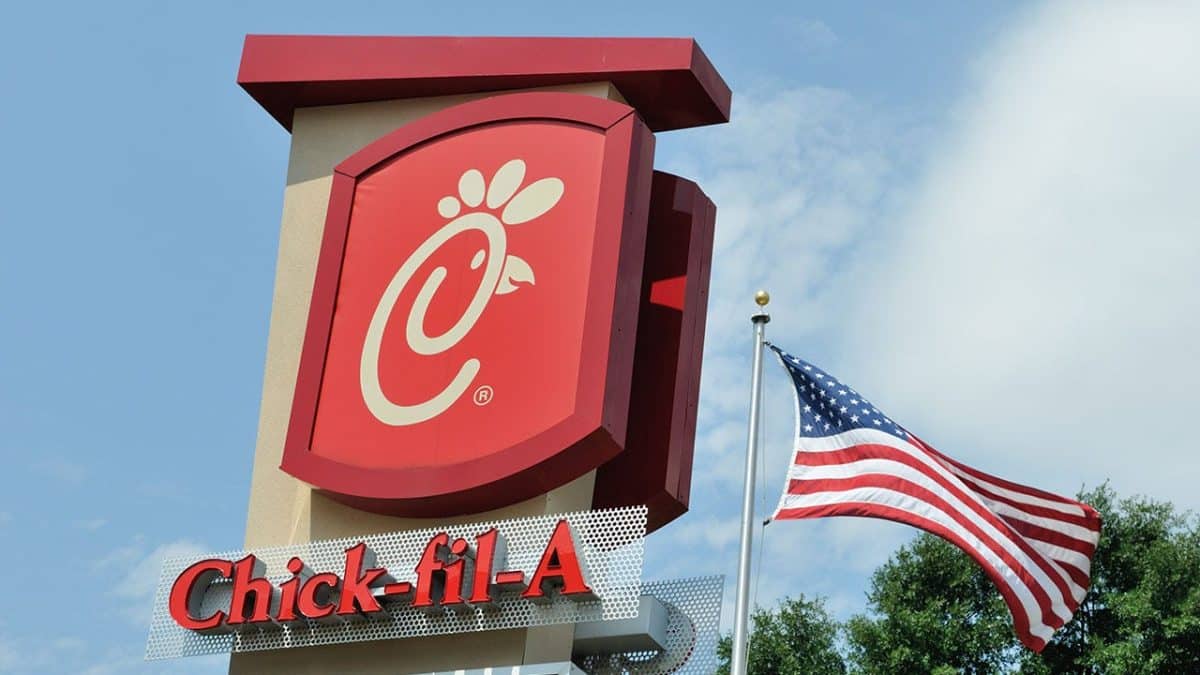
Chick-fil-A is quietly testing a fried cauliflower sandwich — a move that marks a clear departure from the company’s long-standing emphasis on chicken. That shift matters now because it tests whether a brand built on a single signature product can widen its menu without losing the loyalty that made it a fast-food staple.
The limited trial has prompted sharp reactions online and in industry circles: some see a sensible response to changing tastes, others worry it muddies a clearly defined identity. Either way, this is more than a novelty item — it’s a strategic experiment with tangible consequences for customers, operations and brand perception.
What we know so far
Caramel, butterscotch, toffee: how their differences affect your desserts
McDonald’s rebrands Twitter to honor Bubba Wallace after his first NASCAR Cup win
Chick-fil-A described the new offering as a “plant-forward” sandwich, featuring a breaded cauliflower filet prepared in a similar style to its fried-sandwich lineup. The company has rolled out the item on a trial basis at select locations rather than a nationwide launch — a common tactic to test demand and refine recipes.
For context, Chick-fil-A remains one of the most highly rated chains in customer satisfaction surveys and routinely draws long drive-thru lines. That built-in audience gives the company room to experiment, but it also raises stakes: any perceived departure from its core promise is likely to attract outsized attention.
Why the move is getting scrutiny
Expanding a menu can bring new customers, but it also introduces complexity. A single new product may require staff training, fresh supply chains and adjustments in kitchen flow — all while units are already under pressure to keep service times fast in peak periods.
Beyond logistics, there is a reputational question. Chick-fil-A’s brand is tightly associated with a particular menu identity: chicken, prepared in a consistent, recognizable way. When that identity blurs, some loyal customers may be puzzled or unconvinced; others may welcome greater choice.
Possible outcomes — quick checklist
- Customer appeal: May attract vegetarian or flexitarian eaters but could disappoint purists who visit primarily for chicken.
- Operational impact: New prep and frying requirements could slow service if not integrated carefully.
- Brand clarity: Risk of diluting a focused brand promise versus potential benefit from appearing modern and inclusive.
- Marketing signal: A test can be framed as innovation; a misstep can be read as losing confidence in what made the chain successful.
How the test could be handled
There are measured ways to expand without eroding core strengths. Options include limiting the cauliflower sandwich to a short-term promotion, using distinct packaging and messaging to avoid confusing the offer with the flagship chicken product, or introducing it in markets where demand for plant-forward items is demonstrably higher.
Another practical step is operational separation: preparing the cauliflower option in designated stations to prevent menu items from interfering with throughput during rush hours. That preserves speed for the majority of customers while allowing a controlled trial.
| Feature | Traditional Chick-fil-A Chicken | Cauliflower Sandwich (Test) |
|---|---|---|
| Main ingredient | Chicken breast filet | Breaded cauliflower filet |
| Primary audience | Core loyalists, mainstream fast-food customers | Vegetarians, flexitarians, curious diners |
| Operational effect | Established workflows, predictable timing | Potential need for new prep steps and training |
| Brand implications | Clear, focused identity | Opportunity to diversify — or a risk of dilution |
Perspective for readers
If you’re a regular customer, the practical question is simple: will this change the items you actually buy? Most likely not, if Chick-fil-A treats the cauliflower as a localized test or limited-time offering. If you’re watching restaurant trends, this is another example of legacy brands exploring plant-based or plant-forward items to capture shifting consumer preferences.
For the chain itself, the test is a low-risk way to collect real-world data. The real judgment will come down to execution and communication: a carefully managed pilot can add choice without confusion; a rushed rollout could stir avoidable backlash.
Either way, the episode underscores a broader point about food brands today: expanding a menu requires more than a new recipe. It requires operational planning and a clear message so that customers understand why the new option exists and how it fits with the rest of the menu.
Jimmy Failla is host of FOX News Saturday Night and a national radio commentator. He reports on media and cultural trends and contributes regular commentary on consumer and restaurant industry developments.
Irish whiskey: approachable bottles new drinkers should try today
Fishtown restaurants ranked: must-visit spots locals are raving about