Show summary Hide summary
Summer fruit is arriving at markets and doorsteps, but so is the race against rot. A few simple freezing techniques can preserve texture and flavor, cut food waste and keep berries, peaches and bananas ready for smoothies and baking all year.
Why freeze now?
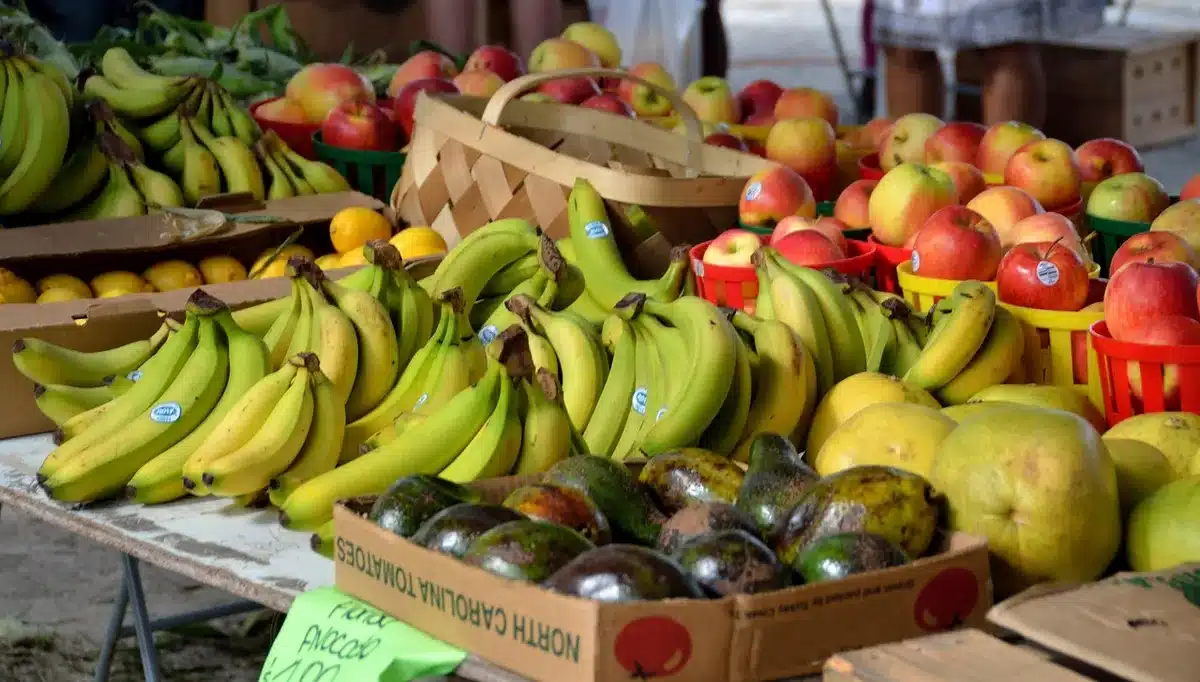
Peak-season fruit is often the cheapest and tastiest — and it’s also the most perishable. Freezing lets you capture that quality at its height, stretching your purchases through months when the same fruit would cost more or taste flat.
Caramel, butterscotch, toffee: how their differences affect your desserts
McDonald’s rebrands Twitter to honor Bubba Wallace after his first NASCAR Cup win
Beyond convenience, freezing impacts household budgets and waste. Keeping fruit from spoiling reduces trips to the store and prevents tossed produce, which matters whether you’re feeding a family or planning ahead for winter recipes.
Fast guide: how to freeze fruit the right way
- Sort and remove any bruised or moldy pieces before you begin.
- Decide whether to freeze whole, sliced, or puréed — cut fruit chills faster and thaws more predictably.
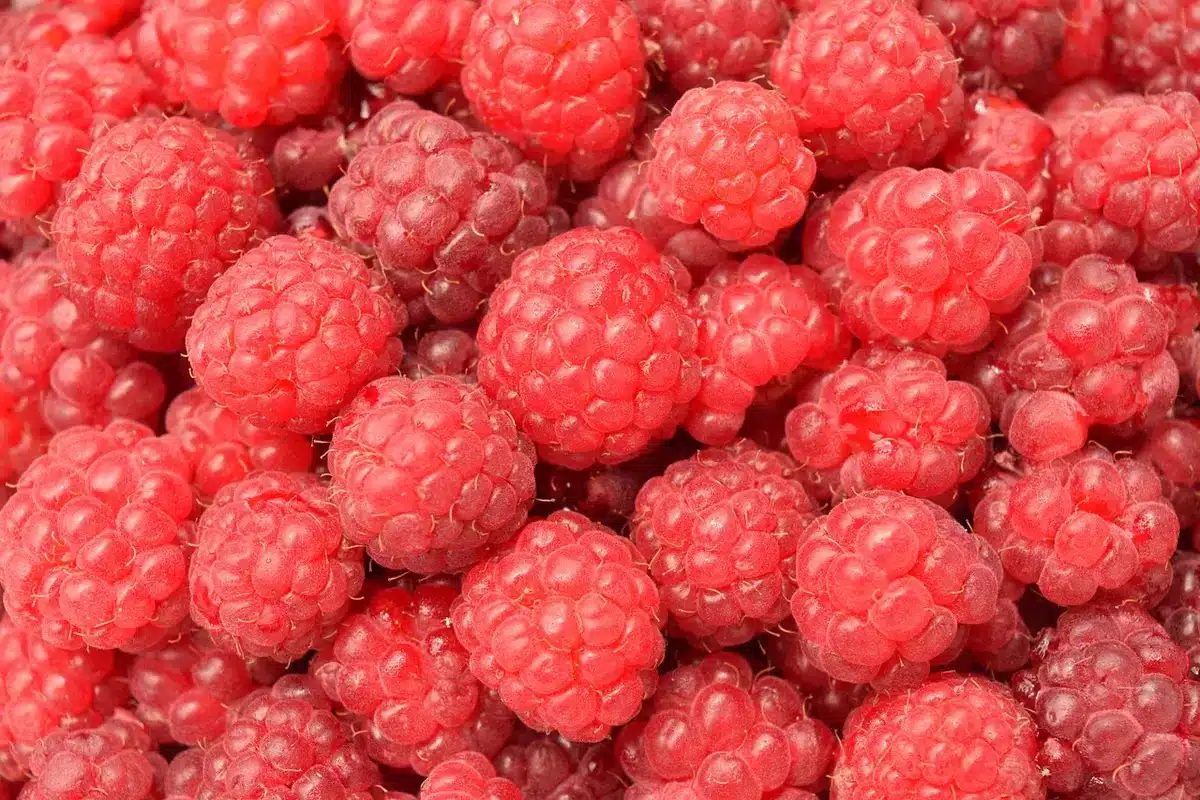
- For berries and diced fruit, use a flash-freeze method: spread pieces on a tray so they don’t touch, freeze until solid, then transfer to containers or bags.
- To avoid browning on apples, pears and peaches, toss slices briefly in lemon juice or a diluted ascorbic acid solution.
- Label packages with the date; keep the freezer at 0°F (-18°C) for best quality.

Quick-reference table: prep and storage
| Fruit | Prep | Best uses | Typical freezer life |
|---|---|---|---|
| Strawberries, blueberries, raspberries | Rinse, drain, flash-freeze on tray, bag | Smoothies, sauces, baked goods | 8–12 months |
| Peaches, nectarines | Pit and slice; toss with lemon or syrup for texture | Pie fillings, compotes, smoothies | 8–10 months |
| Bananas | Peel and freeze whole or mashed | Smoothies, banana bread, ice cream | 3–6 months |
| Apples, pears | Core and slice; treat to prevent browning | Cooking, sauces, muffins | 8–12 months |
| Mango, papaya | Cube or purée, then freeze in portions | Salsas, smoothies, chutneys | 6–10 months |
Techniques that make a difference
Flash-freezing prevents clumps and maintains individual pieces so you can grab exactly what you need. It’s a small extra step that pays off when you want a cup of berries for a smoothie instead of a frozen rock.
For soft fruits that lose structure when frozen — bananas, ripe peaches — consider mashing or puréeing before freezing. Portion into ice cube trays or resealable bags for single-use convenience.
Packaging and storage tips
Air exposure is the enemy of flavor and color. Use airtight containers, heavy-duty freezer bags, or a vacuum sealer when possible. Squeeze out excess air and flatten bags for compact storage and faster thawing.
Labeling matters: include the fruit type and pack date. Even at 0°F, quality fades over time. While frozen fruit remains safe to eat indefinitely if stored properly, aim to use most items within the time ranges in the table for best taste.
Thawing and using frozen fruit
Thaw fruit slowly in the refrigerator if you need it intact for baking or salads; for smoothies or sauces, add it frozen to the blender or pot. Expect a softer texture after thawing — that’s normal and often desirable in cooked recipes.
Frozen fruit is versatile: toss into oatmeal, blend into smoothies, fold into muffin batter, or simmer into compote. Small adaptations — reducing added liquid in a recipe, for instance — can compensate for the extra moisture frozen fruit releases.
Freezing seasonal fruit is a simple, low-cost way to preserve flavor and reduce waste. Spend a little time during peak harvest and you’ll have ready-to-use fruit that stretches your food budget and brightens meals months from now.
Irish whiskey: approachable bottles new drinkers should try today
Fishtown restaurants ranked: must-visit spots locals are raving about