If you’ve wondered why Norway’s best-selling lager never shows up on American store shelves, the answer is mostly financial. High domestic taxes and steep import costs keep mainstream Norwegian beers at home, even as interest in Norway’s craft brewers and unique yeast strains grows in the U.S.
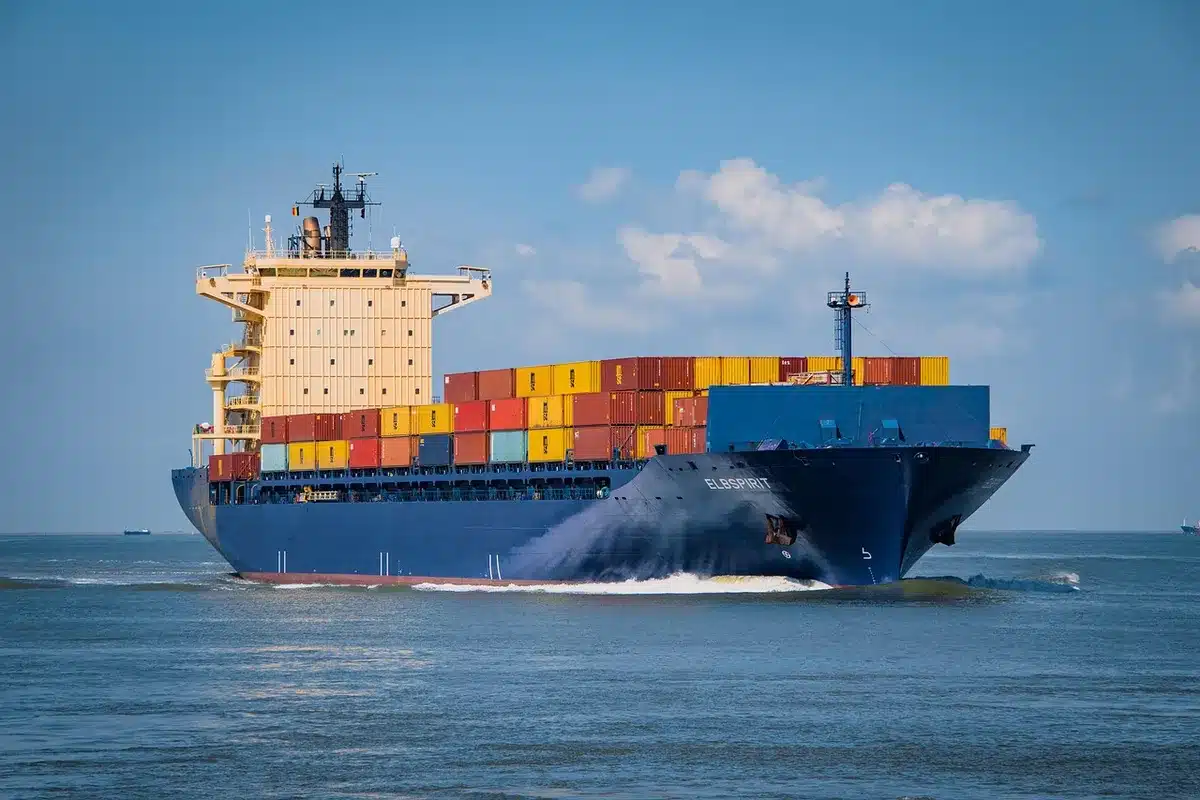
Ringnes pilsner — brewed continuously since the late 19th century and now part of the Carlsberg family — is the top-selling beer in Norway, but it’s rarely imported to the United States. The economics simply don’t add up for large-scale distributors who can source cheaper alternatives from traditional exporter countries like Mexico, Germany and Belgium.
Caramel, butterscotch, toffee: how their differences affect your desserts
McDonald’s rebrands Twitter to honor Bubba Wallace after his first NASCAR Cup win
Taxes play an oversized role. Norway levies significant excise duties on beer, and the rate jumps for beers above 4.7% ABV, pushing shelf prices up at home and eroding any margin for export. That leaves most Norwegian mass-market lagers out of reach for U.S. retailers who work on tight price competition.
| Typical price (2026) | Norway | United States |
|---|---|---|
| Domestic draft (bar) | $10 (approx.) | $6.50 (avg.) |
| Supermarket can | $3.50 | ~$1 per 12-oz can |
| Estimated import markup | Typically around 10% or higher on top of production and shipping | |
How Norwegian beer reaches American drinkers
There are, however, notable exceptions. Norway’s craft scene is vibrant and increasingly export-minded. Small-batch breweries are more willing to absorb transport and tariff costs to place specialty cans and kegs in niche U.S. markets.
Some entry points to find Norwegian beer in America:
- Specialty importers and regional distributors that focus on Scandinavian or Nordic products.
- Craft beer bars and beer festivals that rotate rare international taps.
- Dedicated import businesses — for example, U.S. companies that bring in seasonal styles like juleøl from historic breweries such as Aass.
- Collaboration releases and limited runs where Norwegian brewers partner with U.S. craft breweries.
Even when entire Norwegian brands aren’t widely available, one homegrown innovation has slipped through: kveik yeast. Long used in traditional farmhouse ales, kveik strains have been adopted by many American craft brewers for their fast fermentation and distinctive flavor profile. So while you might not find a Ringnes on tap, you could taste a kveik-fermented beer at a forward-looking brewery near you.
The combined effect of import costs, high domestic pricing, and a crowded global beer market means mainstream Norwegian lagers remain rare in the U.S. But the country’s brewing identity is still making an impact through specialty imports, seasonal holiday beers, and the growing influence of its yeast and craft techniques.
For consumers interested in sampling authentic Norwegian brews, the most reliable options are travel, specialty importers, or tracking down craft bars that curate Nordic selections; otherwise, look instead for American beers brewed with kveik to get a taste of Norway’s brewing legacy without leaving home.
Irish whiskey: approachable bottles new drinkers should try today
Fishtown restaurants ranked: must-visit spots locals are raving about