
Show summary Hide summary
Tequila’s rise has been one of the defining spirits stories of the last decade — but by 2026 the boom has cooled, and misconceptions about the drink still shape what people buy and how they drink it. Understanding what’s fact and what’s fiction matters now for anyone choosing a bottle, avoiding hangovers, or simply trying to respect the spirit’s cultural roots.
Bad hangovers: quality or quantity?
Caramel, butterscotch, toffee: how their differences affect your desserts
McDonald’s rebrands Twitter to honor Bubba Wallace after his first NASCAR Cup win
Many blame tequila for brutal mornings after, but industry insiders point to the real culprits: low-grade spirits and overconsumption. Greg Perez, owner of Houston’s Concrete Rose, says inferior, mass-produced tequilas — often labelled as mixtos — contain added sugars and other chemicals that can increase congeners, the byproducts of fermentation linked to worse hangovers.
Equally important is how tequila is consumed. Quick shots and rounds at parties tend to increase total alcohol intake, which also raises the likelihood of a bad hangover. According to Perez, sipping a clean, additive-free agave spirit usually leaves him feeling far better the next day.
Is tequila made from a cactus?
Short answer: no. Tequila comes from the Blue Weber agave, a succulent often mistaken for a cactus because of its spiky leaves. Chessie Keebaugh, general manager at Tropa Tequila, points out that agave is actually related to asparagus and stores water differently than true cacti — in the leaves rather than the plant’s flesh — a trait that helps the plant survive long maturation cycles.

Blue Weber must typically mature for five to eight years before harvest, a key reason quality tequilas rely on patient farming rather than quick shortcuts.
Worms in the bottle: myth and mezcal
The idea that tequila bottles contain worms is largely a marketing myth and a case of mistaken identity. Sofía Paloma Juárez, CEO of CASA J Tequila, and other producers say the practice was used for showmanship, while Perez clarifies that the creatures found in some bottles are actually moth larvae associated with certain mezcal traditions — not mainstream tequila.
Regulatory oversight in tequila production is strict, and reputable brands do not include insects in their bottles. When you see a worm, you’re likely looking at mezcal or novelty marketing, not authentic tequila production methods.
Tequila: always a shot?
Shot culture has long shaped public perception, but tequila’s range extends far beyond quick rounds. Keebaugh encourages thinking about tequila the way one thinks about wine or food pairings: the right match elevates the spirit’s natural flavors rather than masking them.
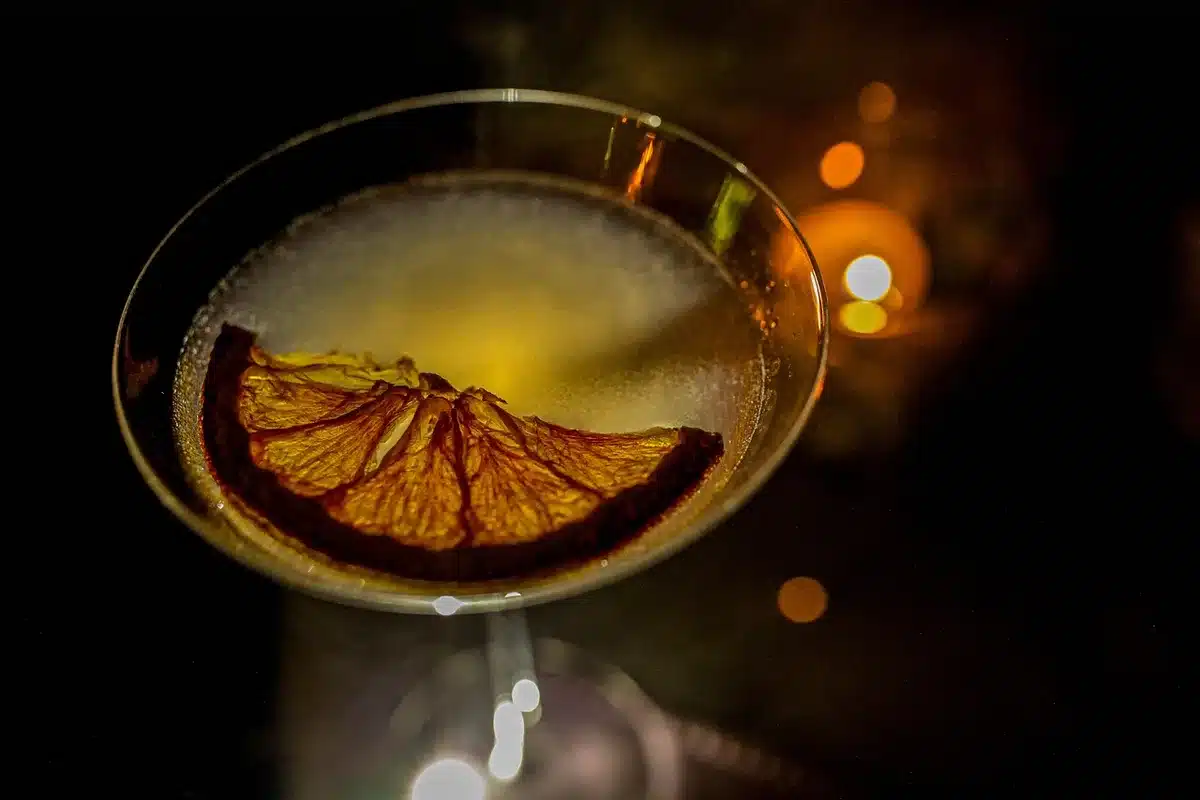
Salt and lime historically helped hide rough flavors from inexpensive spirits. When you choose a well-made, often 100% agave bottle, you gain options — neat sips, crafted cocktails, or premium pours where no accompaniments are necessary.
All tequila is 100% Blue Weber agave — true or false?
Legally, tequila must be produced from the Blue Weber agave, but not every bottle is composed entirely of agave sugars. A tequila labelled as a mixto may contain up to 49% sugars from other sources, such as cane sugar. Conversely, many bottles are marketed as 100% agave, which generally indicates higher raw-material content.
Even within 100% agave products, producers can use small, permitted additives — like glycerin for mouthfeel, caramel for color, or certain extracts for consistency. These choices affect texture and taste and are part of why transparency and education matter to consumers.
Is price the only difference between bottles?
Price can reflect real differences: the quality of agave, the time spent farming and aging, and the production methods. Keebaugh and Juárez both stress that craftsmanship — from how the plant is cooked (slow-roasted ovens versus modern autoclaves) to aging decisions — shapes a tequila’s character far more than branding alone.
Producers who use traditional techniques, allow longer agave maturation, and respect artisanal methods usually produce spirits that reward patience and cost more as a result. Time, they say, is one of tequila’s key luxury inputs.
- Myth: Tequila causes the worst hangovers. — Reality: Low-quality additives and heavy drinking are the main drivers.
- Myth: Tequila comes from a cactus. — Reality: It’s made from Blue Weber agave, a succulent in the asparagus family.
- Myth: Worms are common in tequila. — Reality: That’s mostly a mezcal-related or marketing story, not a tequila standard.
- Myth: Tequila is only for shots. — Reality: There’s a wide spectrum: from sippable añejos to cocktail-friendly blancos.
- Myth: All tequila is 100% agave. — Reality: Some are mixtos; others are 100% agave and may still include small legal additives.
- Myth: All tequila is identical except for price. — Reality: Farming, time, and technique create real differences.
As tequila’s popularity adjusts — affected by market saturation and changing drinking habits — better-informed consumers will help shape the next phase of the category. Knowing labels, production basics, and the role of additives lets buyers choose bottles that match taste goals and budgets, and may even reduce unwanted next-day effects.
For those interested in exploring beyond the myths: start with a 100% agave blanco from a trusted maker, taste it neat, and then compare with an aged expression to hear the story of the plant and the people who made it.
Irish whiskey: approachable bottles new drinkers should try today
Fishtown restaurants ranked: must-visit spots locals are raving about










