
Show summary Hide summary
If Sauvignon Blanc has felt one-dimensional to you — either razor-sharp Loire styles or tropical New Zealand blasts — it’s worth sampling the grape from northeastern Italy. Recent interest from sommeliers and curious drinkers has put wines from this region back on the map, offering a middle path between minerality and fruitiness that suits a broader range of palates.
What sets the Italian versions apart
At a glance, the differences come down to where the vines grow and how slowly the fruit ripens. In northeastern Italy, cooler temperatures and varied elevations temper the grape’s natural vigor, producing wines that are aromatic yet balanced.
Caramel, butterscotch, toffee: how their differences affect your desserts
McDonald’s rebrands Twitter to honor Bubba Wallace after his first NASCAR Cup win
Compared with the Loire’s lean, mineral-driven examples and New Zealand’s punchier, tropical expressions, Italian Sauvignon Blanc tends to show a mix of ripe stone fruit and citrus with a pronounced herbal lift. The result is a wine that often feels both fragrant and crisp without leaning too far toward either extreme.
Key growing areas and the role of terroir
The two regions to watch are Trentino-Alto Adige and Friuli-Venezia Giulia. Both are clustered near the Alps and the Adriatic, but their landscapes and soils vary widely — and so do the wines.

Trentino-Alto Adige includes high-altitude vineyards around the Dolomites where warm daytime sun and cool nights slow ripening. Those temperature swings help preserve acidity while allowing aromatic compounds to develop. Lower-lying sites tend to yield softer, more floral wines; higher vineyards can produce tauter, more mineral-driven bottles.
Friuli sits closer to the sea and offers an array of foothills, plains and rocky slopes. Coastal breezes bring a saline freshness to some wines, while inland, calcareous and mixed soils lend a pronounced mineral streak. The region is also known for precise, food-friendly whites — Sauvignon included.
- Taste profile: white peach, lemon zest, green herbs, and a mineral or saline edge depending on site.
- Acidity: typically lively but integrated — brisk enough for food without feeling austere.
- Styles: from fragrant and round to lean and stony, reflecting altitude and soil.
- Food pairings: light seafood, herb-driven salads, fresh cheeses, and lighter pasta dishes.
Practical tips for shoppers and drinkers
When you’re choosing a bottle, look beyond generic labeling. Wines from Alto Adige or specific Friulian zones such as Collio may signal a particular style and place-driven character. Imported selections are becoming more available at retail and wine bars, so ask staff about recent arrivals if you don’t see them on the shelf.
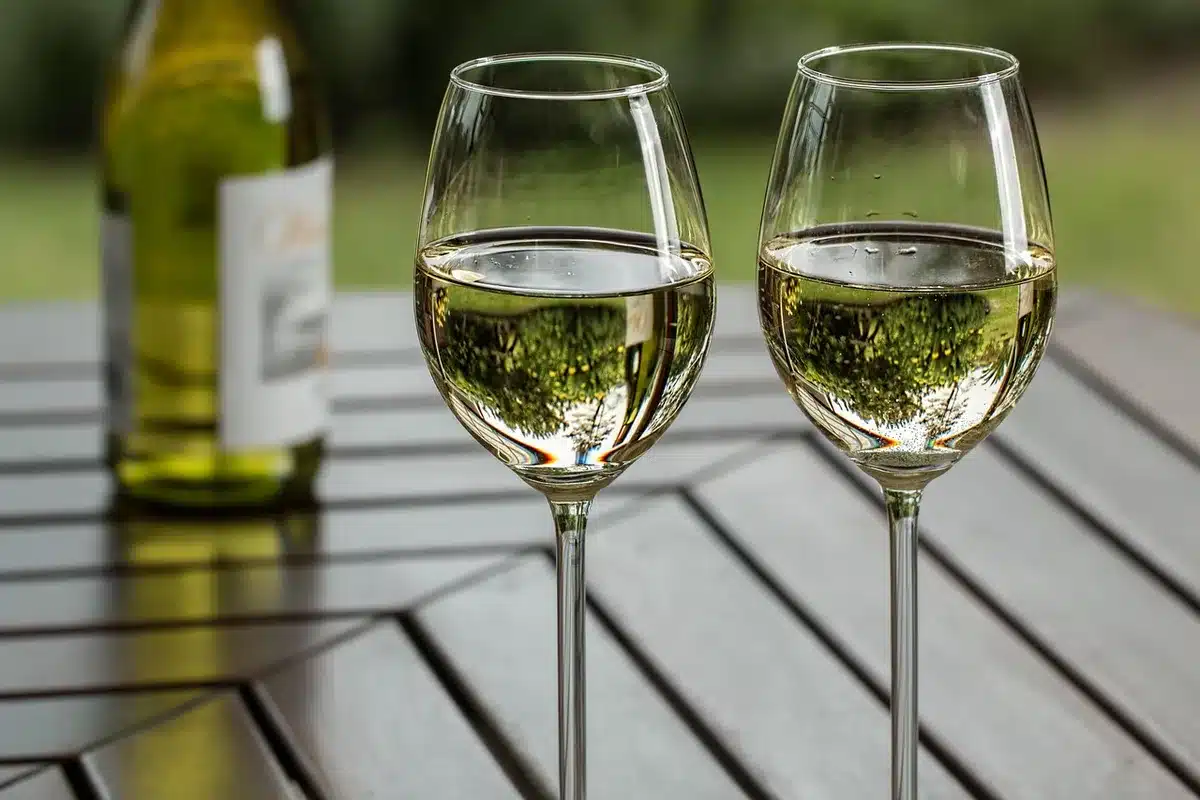
Serving temperature matters: slightly chilled (around 8–10°C) brings out the fruit and aromatics while keeping the wine lively. These bottles also make flexible food partners — their acidity cuts through richer fare but they’re gentle enough for simpler plates.
Why this matters now
As drinkers broaden their tastes, regional variations of well-known grapes are gaining attention. Italian Sauvignon Blanc offers a genuinely different expression that can change opinions about the variety. For anyone who’s written the grape off or wants a more versatile white for everyday drinking, these wines are a timely option to explore.
Try a few bottles from different subregions to see which direction you prefer — and let the variety itself be the proof that Sauvignon Blanc has more to offer than the usual suspects.
Irish whiskey: approachable bottles new drinkers should try today
Fishtown restaurants ranked: must-visit spots locals are raving about