Show summary Hide summary
If you’re picking a white for tonight’s meal or stocking the cooler for warm-weather gatherings, knowing how sauvignon blanc and moscato differ will change what you buy. One is built on brisk acidity and herbaceous lift; the other trades acidity for perfume and sweetness—differences that shape everything from alcohol level to food pairings.
How they taste and why that matters now
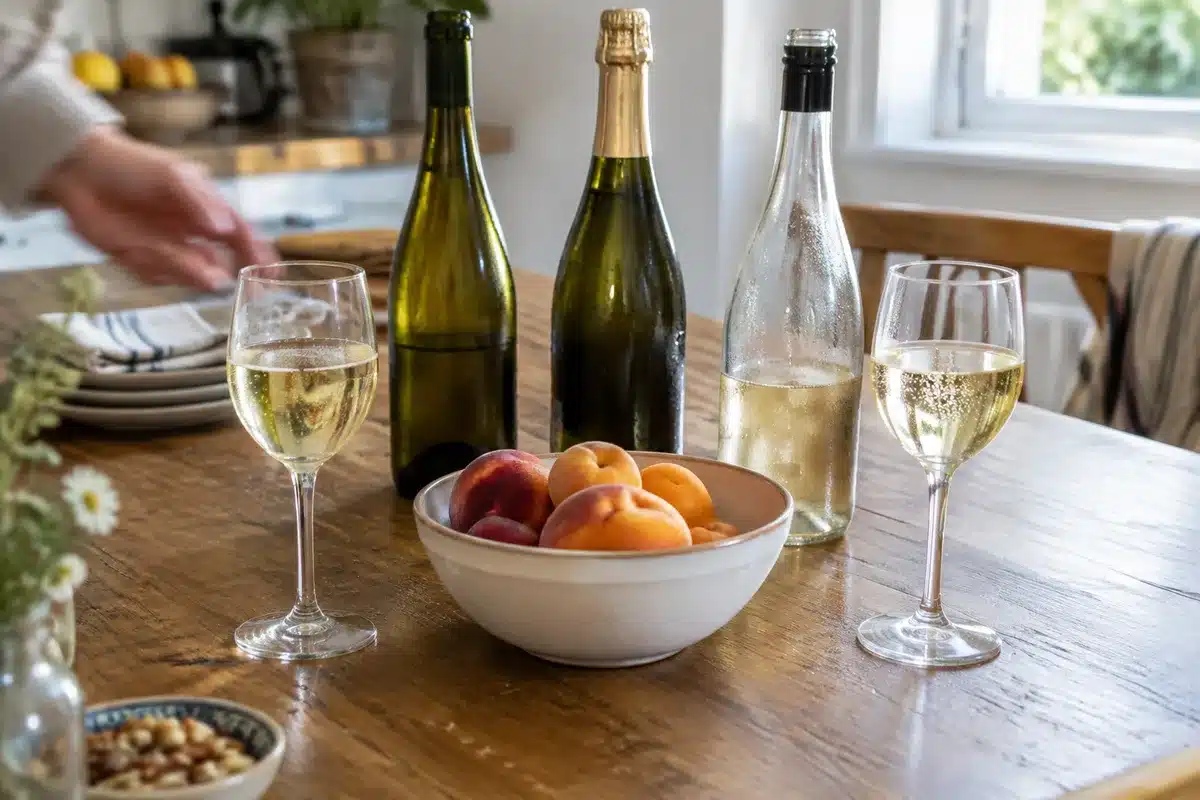
Sauvignon blanc typically presents as crisp, dry, and vivid — the kind of wine that wakes up the palate. Moscato, on the other hand, is usually low in alcohol and leans toward obvious sweetness and floral aromatics. That contrast matters today as many drinkers seek lower-ABV options and versatile wines for casual, food-driven occasions.
Caramel, butterscotch, toffee: how their differences affect your desserts
McDonald’s rebrands Twitter to honor Bubba Wallace after his first NASCAR Cup win
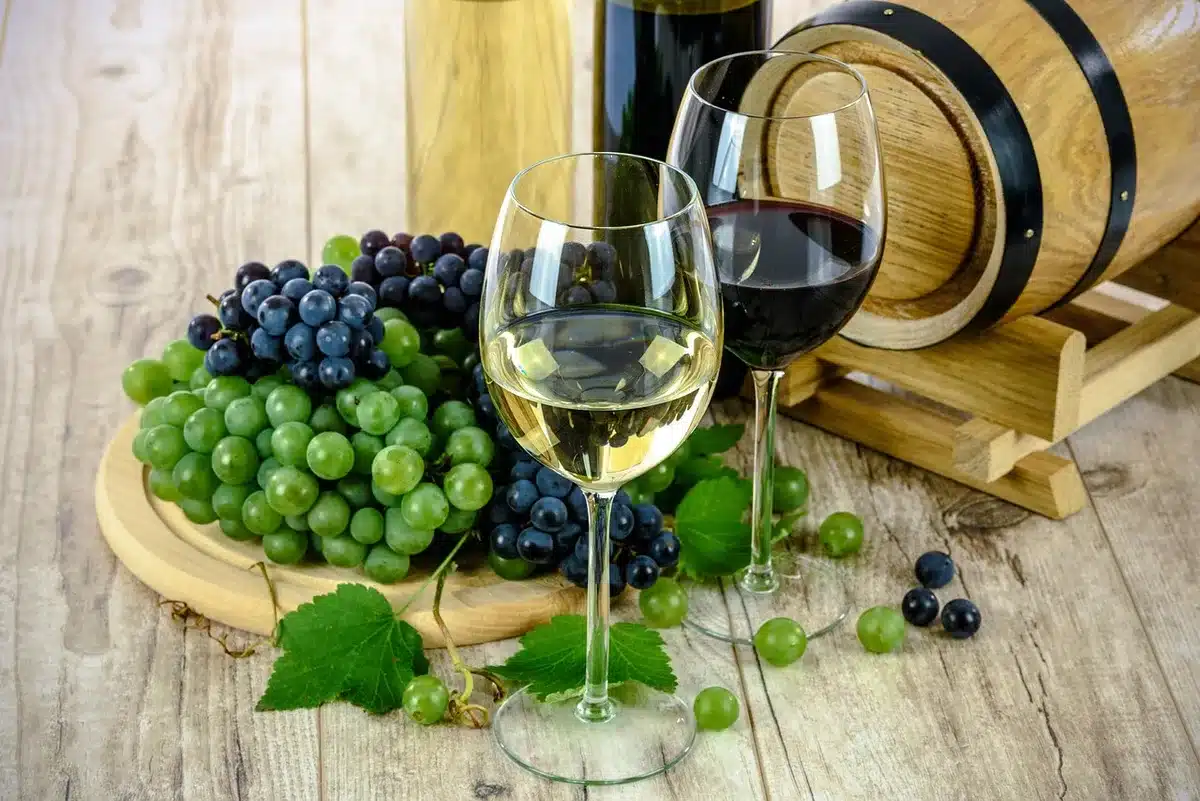
At the heart of the divide is fermentation control: moscato winemakers often stop fermentation early to preserve residual sugar, producing wines in the roughly 5–9% ABV range. Sauvignon blanc is typically fermented to dryness, finishing closer to 12.5–14% ABV, and emphasizing bright acids rather than sweetness.
Grapes, aromas and the science behind the scent
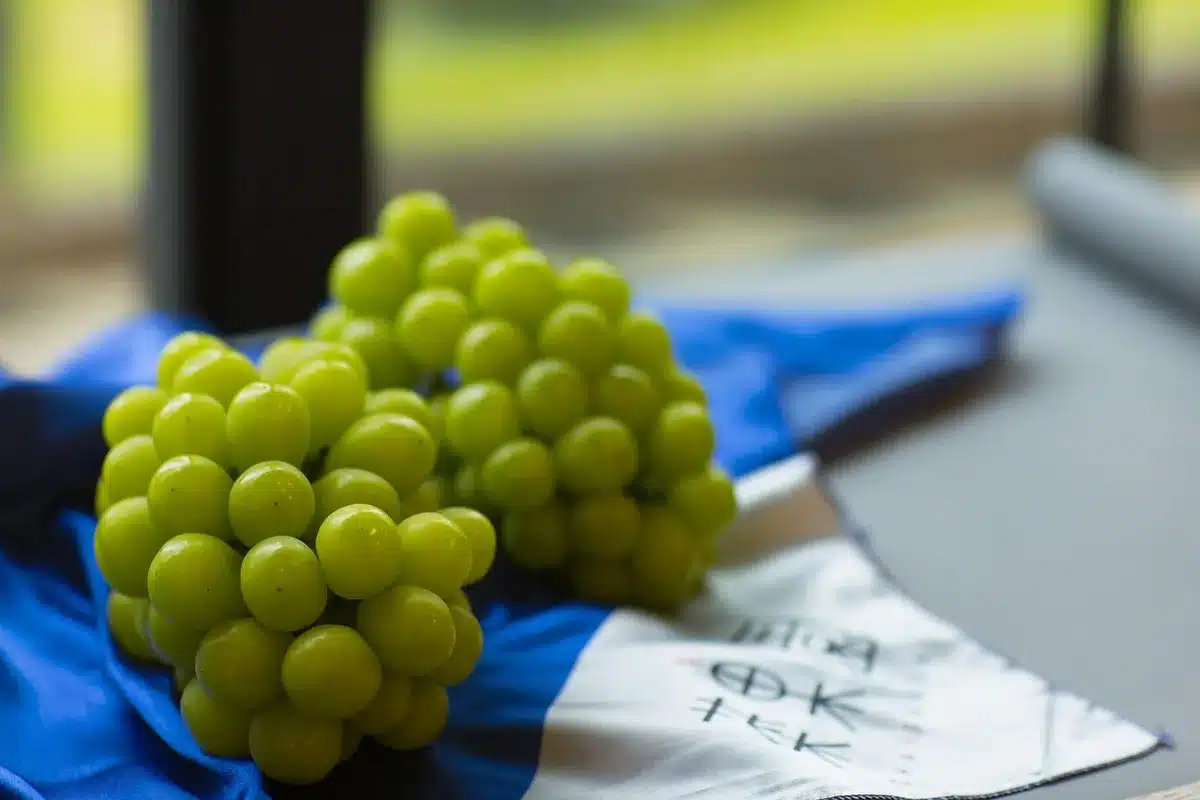
Moscato comes from the Muscat family, grapes prized for intense perfume. The variety contains high levels of aromatic compounds that give the wine its hallmark scents — think honeysuckle, ripe stone fruit, and floral notes like orange blossom and rose. These qualities make moscato immediately approachable and memorable.
Sauvignon blanc’s aromatic profile is different and more variable. It can offer tropical fruit and citrus, but it’s also famous for green and herbaceous tones — bell pepper, freshly cut grass, and gooseberry — often linked to specific chemical compounds in the grape. Where those notes land depends heavily on climate and soil.
Terroir and region: why one bottle can taste so different from another
Geography shapes sauvignon blanc more dramatically than moscato. Cool-climate expressions tend toward mineral, taut acidity and a distilled citrus character. Warmer sites push the grape into richer tropical flavors and softer acids. In short: terroir influences sauvignon blanc’s personality; moscato’s perfume is more consistent across regions.
Both grapes travel — Muscat is planted in Italy, Spain, California and beyond; sauvignon blanc thrives from the Loire Valley to New Zealand and the Americas — but the end results vary by place and winemaking choices.
| Characteristic | Sauvignon Blanc | Moscato |
|---|---|---|
| Typical sweetness | Dry | Off-dry to sweet |
| Usual ABV | ~12.5–14% | ~5–9% |
| Common aromas | Citrus, green herbs, gooseberry, minerality | Honeysuckle, peach, apricot, orange blossom |
| Typical mouthfeel | Lean, high acidity | Light, often slightly viscous or frizzante |
| Ageability | Some can age, especially oak-influenced styles | Usually enjoyed young |
Sparkle, aging and production notes
Not all moscato is still; Italian styles such as Moscato d’Asti frequently show gentle effervescence, and Asti Spumante can be decidedly fizzy. These styles are crafted to be enjoyed young, capturing bright floral and stone-fruit tones.
Sauvignon blanc is most often bottled still, though some producers oak-age or blend it with other varieties to add body and texture. Those choices affect aging potential: oak and lees contact can soften acidity and create a fuller mouthfeel that lasts longer in the bottle.
Small production decisions — when to stop fermentation, whether to add carbonation, and how long to age — are why two wines made from the same grape can aim at very different drinkers and dishes.
- Pairing with spicy food: Moscato’s sweetness can tame heat from Szechuan or Thai dishes.
- Seafood and herbs: Sauvignon blanc’s acidity and herbal notes cut through buttery or herb-forward fish preparations.
- Cheese board tips: Try blue cheese with moscato; tangy goat cheese pairs naturally with sauvignon blanc.
Both wines play roles in today’s wine culture: moscato for casual, social sipping and approachable dessert-style moments; sauvignon blanc as a food-focused, palate-refreshing choice. Your selection should reflect the menu, the mood and whether you want sweetness or lift.
For shoppers: if lower alcohol and floral sweetness are priorities, look for bottles labeled Muscat or Moscato. If bright acidity and versatility with savory plates are the goal, seek out a sauvignon blanc from a region you prefer — Loire and Chile for mineral freshness, Marlborough for tropical intensity.
Irish whiskey: approachable bottles new drinkers should try today
Fishtown restaurants ranked: must-visit spots locals are raving about