Show summary Hide summary
One small tweak can turn the familiar gin and tonic into something more layered without complicating the recipe. As warm-weather gatherings resume and home bartending remains popular, a dash of an unexpected ingredient is becoming a favored shortcut to a more interesting G&T.
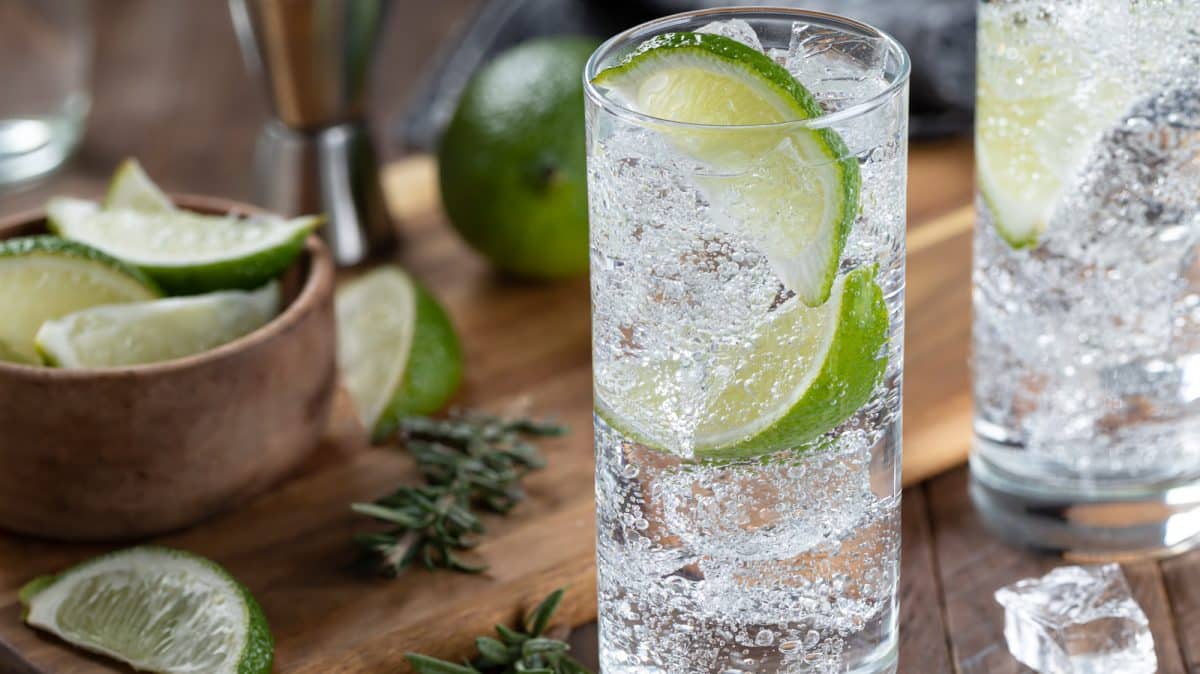
Toby Maloney, co-author of The Classic Cocktail Sessions, lays out a simple method for an easy-drinking gin and tonic: build it in a pint glass, choose either a crisp London dry or a more floral new-world gin, add premium tonic, and top with a splash of soda. The technique keeps the drink refreshing while stretching a single pour into a longer, more sociable serve.
Try a dash of something savory
What sets Maloney’s version apart is one subtle addition: a couple of dashes of Peychaud’s bitters. Known to fans of the Sazerac, Peychaud’s brings a floral, slightly anise-tinged aroma that lifts the botanicals in gin without dominating them. Because its profile is lighter than heavier bitters such as Angostura, it complements rather than competes — but restraint is essential. Too much will overwhelm the tonic’s delicate bitterness and the gin’s juniper notes.
Caramel, butterscotch, toffee: how their differences affect your desserts
McDonald’s rebrands Twitter to honor Bubba Wallace after his first NASCAR Cup win
Practical steps at a glance: build in a pint glass, pour your gin, add tonic (a high-quality option like Fever-Tree is often recommended), a splash of soda for length, a squeeze of lime, and finish with two or three dashes of Peychaud’s. Large ice and a citrus twist will help keep the drink bright as it melts slowly.
Other ways to elevate your G&T
The gin and tonic’s simplicity is its strength, which makes it forgiving when you experiment. Here are ideas bartenders reach for when they want a slightly different flavor direction:
- Elderflower liqueur — Adds floral sweetness that pairs well with lighter, citrus-forward gins; use sparingly to avoid cloying the drink.
- Fresh herbs (mint, thyme, or rosemary) — Muddle gently or slap the sprig to release aromatics; herbs refresh the palate without masking the spirit.
- Warming spices (cinnamon stick, chai, or cloves) — Works well in cooler months or as a contrast to Peychaud’s botanical notes.
- Fruit-forward bitters or fresh grapefruit — For a brighter, zesty finish; grapefruit juice turns the G&T toward a Paloma-like profile without tequila’s heat.
- Clove or cardamom — Use a whisper of ground spice or a single pod for an exotic lift that plays with the gin’s botanicals.
Some combinations are obvious; others reward subtlety. If you opt for bitters, match their intensity to the tonic. If you add liqueur or juice, reduce the gin slightly so the drink stays balanced.
For hosts and home mixologists, the takeaway is simple: a minimal adjustment can refresh a classic. Keeping proportions thoughtful and tasting as you go will let you discover a twist that fits your taste without losing what makes a G&T appealing — clarity, effervescence, and botanical lift.
Irish whiskey: approachable bottles new drinkers should try today
Fishtown restaurants ranked: must-visit spots locals are raving about