
Show summary Hide summary
Light, fizzy and endlessly adaptable, the spritz has moved from Italian piazzas to global cocktail menus — and it matters now because a new wave of liqueurs and seasonal twists is reshaping what diners and home bartenders reach for when they want a low‑alcohol, sociable drink. Whether you’re ordering at a bar or stocking a summer pitcher, understanding the differences between spritz styles helps you pick the right flavor and garnish for any occasion.
At its core a spritz pairs sparkling wine with a bitter or floral ingredient and a splash of soda, making it refreshingly easy to scale. That simplicity has allowed bartenders to experiment: from the orange‑bright cordial that dominates patios to alpine and herbal variations better suited to autumn evenings.
Caramel, butterscotch, toffee: how their differences affect your desserts
McDonald’s rebrands Twitter to honor Bubba Wallace after his first NASCAR Cup win
Aperol spritz
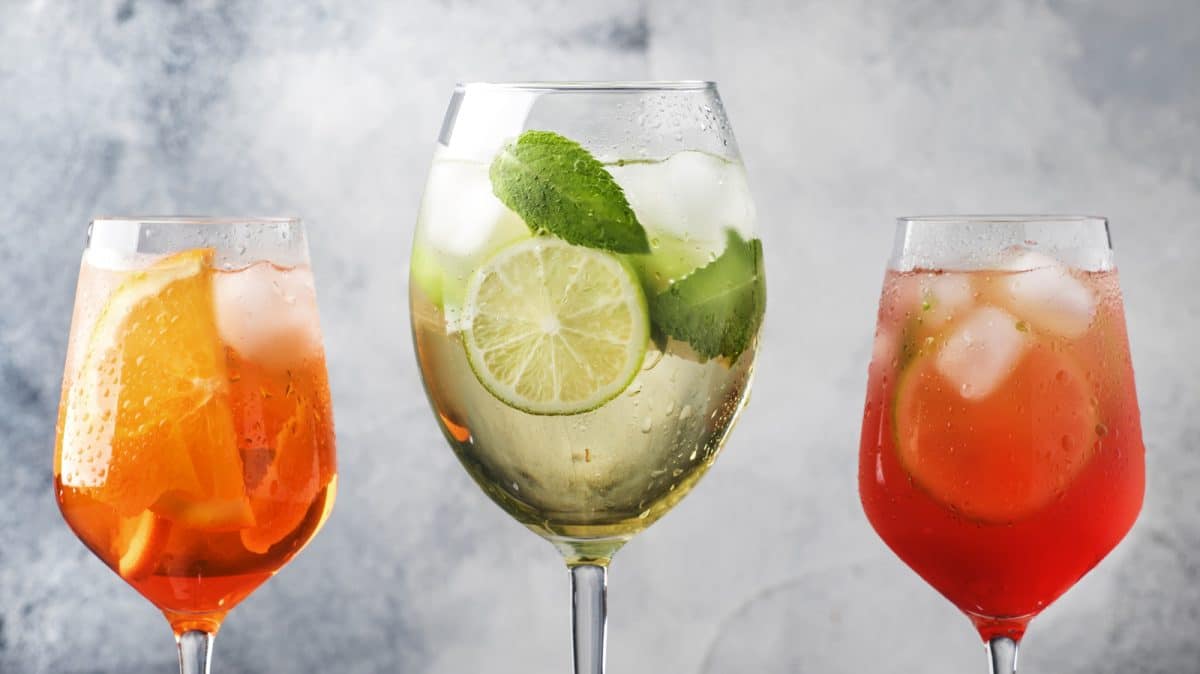
The most familiar face of the spritz family, the Aperol version is known for its vivid orange hue and approachable bitterness. Its botanical profile—citrus notes with gentle herbaceous undertones—makes it an accessible introduction to amari for people who find sharper bitters off‑putting.
Serve chilled in a wide glass with ice and an orange wheel for a classic presentation that emphasizes its bright, slightly sweet finish.
Hugo spritz
The Hugo found mainstream attention during the summer of 2023 after becoming a social‑media favorite. Where Aperol leans bitter, Hugo highlights floral sweetness, typically from elderflower liqueur, and is often brightened with fresh mint.
Think of it as a lighter, aromatic alternative ideal for alfresco gatherings — especially when you want something floral rather than tannic.
Limoncello spritz
Sometimes billed as an Amalfi‑style spritz, this lemon‑forward take swaps in limoncello, a syrupy, citrus liqueur made from lemon zest and spirit. Its candy‑bright acidity and sweetness make it a natural match for warm afternoons and tangy desserts.
Homemade limoncello requires patience — weeks of infusion and rest — but ready bottles bring a sunny, coastal character to a simple sparkling‑wine base.
Campari spritz
For drinkers who prefer depth and bite, the Campari version delivers pronounced bitterness and herbal complexity. While it follows the same sparkling‑wine plus soda template, Campari’s more assertive profile pushes the cocktail toward savory territory and pairs well with an orange garnish.
It’s the spritz for someone who enjoys classic cocktails like the Negroni and wants those flavors in a lighter, carbonated format.
Cynar spritz
Not all spritzes rely on the well‑known amari; Cynar brings a vegetal, slightly sweet bitterness derived from artichoke and other botanicals. The result is earthy and layered — a spritz with a savory edge that works well as an aperitif.
Select spritz
A Venetian specialty, the Select spritz leans into regional tradition. The liqueur behind it is built from dozens of herbs and spices, producing a bittersweet, fruit‑tinged sip that sits between Aperol and Campari in intensity.
In Venice, the cocktail is commonly finished with a green olive — a small, briny flourish that speaks to local custom.
Cappelletti spritz
Less ubiquitous outside Italy, Cappelletti Aperitivo is wine‑based and carries pronounced bitter‑citrus notes along with a softer mouthfeel. Its origins trace back to the same northern Italian region where spritzes first emerged, and it remains a good pick for those who want an aperitif that tastes like a fortified wine rather than a pure spirit.
Ramazzotti spritz
Ramazzotti offers two directions: the classic amaro with warm, cola‑like and licorice accents, or a rosato aperitivo highlighted by floral and tangerine notes. Both adapt well to the spritz format, the former delivering a richer, darker character and the latter offering a lighter, fruitier alternative.
Zirbenz spritz
Not Italian at all, Zirbenz is a stone‑pine liqueur from the Austrian Alps that brings resinous pine, citrus peel and honeyed undertones. It’s an ideal winter spritz: when you want a sparkling drink that still evokes woodsmoke and fir trees.
Spritz bianco
The spritz bianco reflects the cocktail’s earliest incarnations by using dry white wine instead of sparkling wine. Typical in the Friuli‑Venezia Giulia region, this version pairs simple soda and lemon with a lower alcohol content, making it an understated alternative to more effervescent renditions.
Italicus spritz
Launched in recent years, Italicus Rosolio di Bergamotto revives a historic rosolio style with bergamot, chamomile and lemon balm in the base. The finished spritz is fragrant and citrus‑tinged but not aggressively bitter — often garnished with a green olive to introduce a contrasting saltiness.
For readers who want a quick guide at a glance, here’s a practical cheat‑sheet:
- Aperol spritz — citrus‑bitter, crowd‑friendly. Garnish: orange. Best for patios and pre‑dinner sips.
- Hugo spritz — floral and minty, elderflower‑forward. Garnish: mint + lime. Great for summer socials.
- Limoncello spritz — sweet‑tart lemon. Garnish: lemon twist. Ideal with tangy desserts.
- Campari spritz — bold, bitter, herbaceous. Garnish: orange. Pairs with savory starters.
- Cynar spritz — vegetal, earthy amaro character. Garnish: lemon or orange. Good for those who like savory cocktails.
- Select spritz — Venetian, fruity‑bitter. Garnish: green olive. Traditional choice in Venice.
- Cappelletti spritz — wine‑based, grapefruit notes. Garnish: orange. A historic regional favorite.
- Ramazzotti spritz — warm, herbal (or floral rosato). Garnish: basil or citrus. Versatile for daytime drinking.
- Zirbenz spritz — piney, woodsy alpine liqueur. Garnish: lemon twist. Best for cool evenings.
- Spritz bianco — dry white‑wine variant, lemony. Garnish: lemon. Low ABV, easy to sip.
- Italicus spritz — bergamot and floral rosolio. Garnish: green olive. Refined and aromatic.
How to build one at home: use a sparkling base (prosecco or dry white), add a measure of your chosen liqueur, then top with soda. A rough proportion many bartenders follow gives precedence to the bubbles while keeping the liqueur present — adjust to taste. Ice, the right glass and a simple garnish finish the drink and lift its aroma.
Why this matters for you: spritzes are low‑commitment cocktails that let you explore bitter, floral and herbal profiles without a heavy spirit base. They’re easy to batch for gatherings, forgiving to mix, and adaptable across seasons — from sunlit terraces to winter ski lodges.
Irish whiskey: approachable bottles new drinkers should try today
Fishtown restaurants ranked: must-visit spots locals are raving about










