Show summary Hide summary
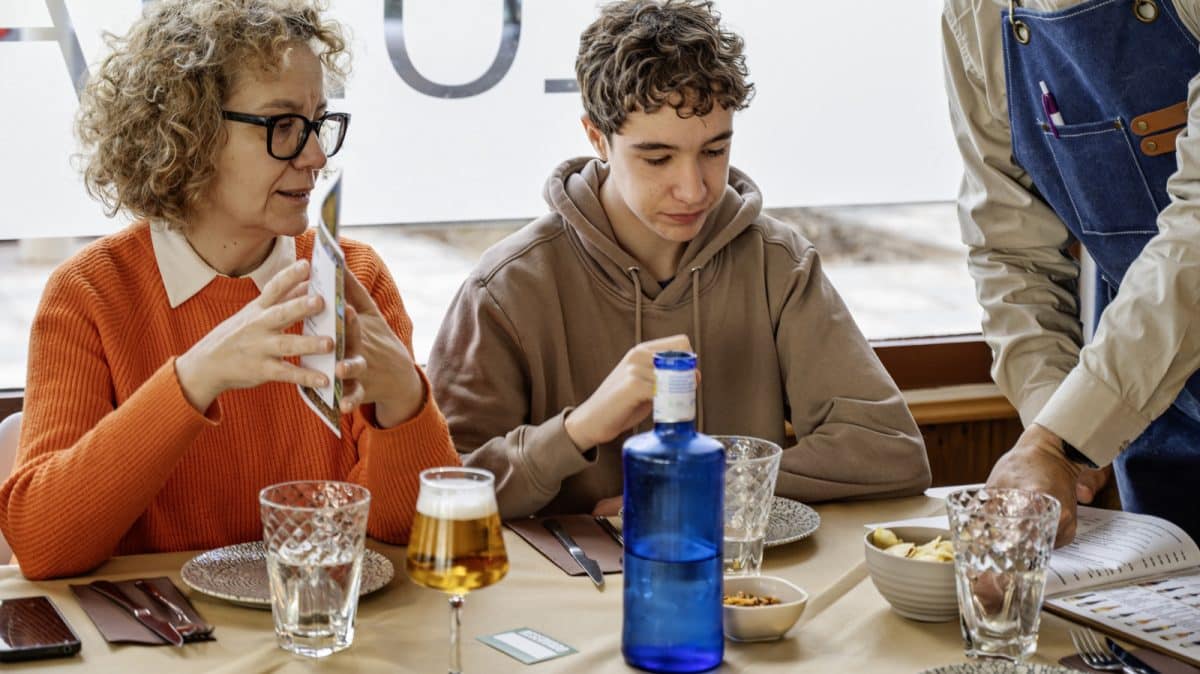
Nonalcoholic beers and mocktails are shifting from novelty to mainstream, prompting fresh questions about whether children should be given beverages that mimic adult drinking rituals. The debate resurfaced in the public eye after actress Kristen Bell said she sometimes lets her children taste NA beer, crystallizing a policy and parenting dilemma.
Why this matters now
The market for alcohol-free options has expanded quickly in recent years, driven by wellness trends and a rising number of young adults choosing not to drink. That growth means these products are showing up more often in homes, restaurants and retail displays—places where minors can see and sometimes sample them.
Caramel, butterscotch, toffee: how their differences affect your desserts
McDonald’s rebrands Twitter to honor Bubba Wallace after his first NASCAR Cup win
Legally, most nonalcoholic beers contain less than 0.5% alcohol by volume, a threshold that categorizes them differently from standard alcoholic beverages. But experts and parents differ on whether that small amount—or merely the look and ritual of drinking—has behavioral consequences for children and teens.
Parents split over permissive vs. restrictive approaches
Some families treat a supervised sip as an educational moment: offering small tastes to demystify alcohol and reduce curiosity. A study in JAMA Pediatrics found that many parents believe controlled exposure can remove the allure of the forbidden, potentially lowering risky experimentation later on.
Others worry that serving NA drinks can normalize drinking behavior too early. Media outlets and clinicians have pointed to emerging research suggesting that early familiarity with alcohol substitutes could increase the likelihood of trying alcoholic products down the line. Clinical psychologist Molly Bowdring has cautioned that such familiarity might translate into future purchasing of alcoholic brands.
Context matters. A child tasting a virgin cocktail at a family meal is not the same as a teenager consuming a beer-like drink at a party where alcohol is present. How parents frame the experience—rules, conversation and supervision—shapes its meaning.
Commercial forces and marketing concerns
Major brewers now market nonalcoholic versions of flagship brands, blurring the line between alcohol and alcohol-free lines. That overlap raises questions about indirect advertising to younger audiences and whether brand recognition for an NA product could later drive demand for its alcoholic counterpart.
Restaurants and retailers face practical decisions: Should servers ask for ID before offering an NA beer? Should menus label these items more clearly? Some advocates suggest stricter labeling and placement rules to avoid unintended exposure for minors.
- For parents: Decide intentionally—consider age, maturity, setting and the conversation you’ll have about alcohol.
- For restaurants: Create clear policies on serving NA beverages to underage customers and train staff on how to handle requests.
- For policymakers: Evaluate labeling, placement and advertising guidelines to prevent inadvertent youth targeting.
- For researchers: Track long-term effects of early exposure to alcohol look-alikes to inform guidance.
Practical takeaways
There is no universal rule that fits every family or community. Decisions about allowing minors to try nonalcoholic beers or mocktails hinge on intent, supervision and communication. If the goal is education, make the lesson explicit; if the risk is normalization, err on the side of restraint.
Ultimately, the rise of NA drinks poses a real, current question for caregivers, businesses and regulators alike: how to balance harmless social inclusion with protecting children from premature exposure to drinking culture. As the category grows, expect more guidance and policy discussions to follow.
Irish whiskey: approachable bottles new drinkers should try today
Fishtown restaurants ranked: must-visit spots locals are raving about