Show summary Hide summary
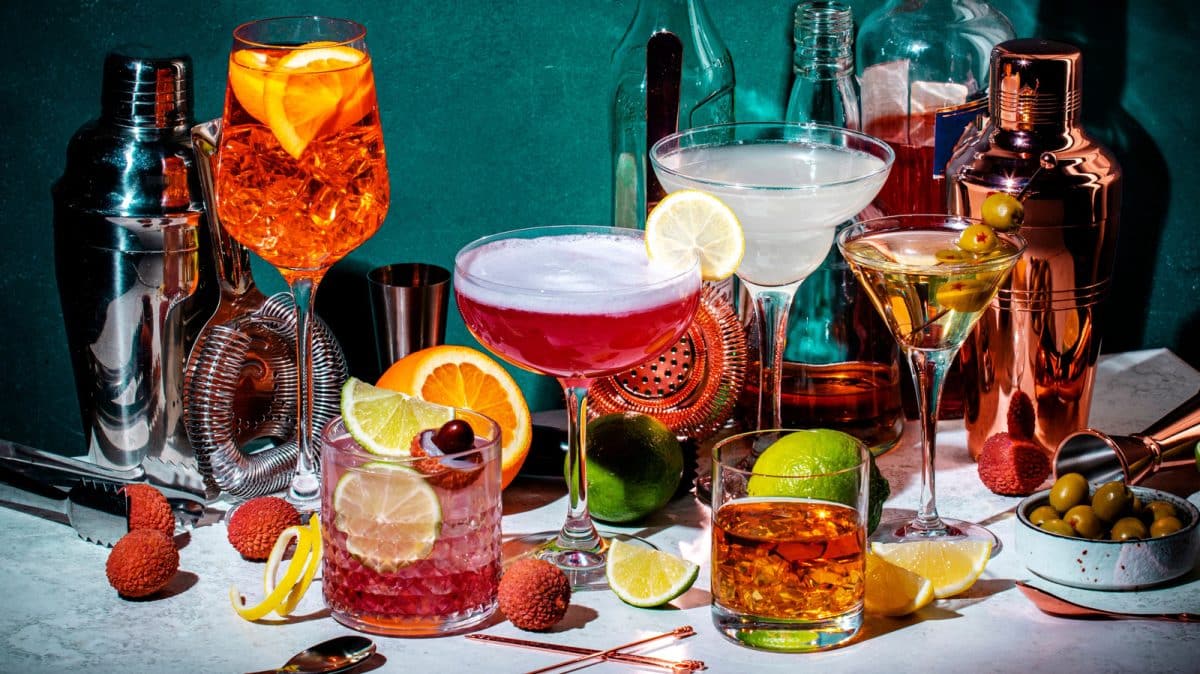
The drinks people choose today tell a story about shifting tastes, social media moments and how bars adapted to new routines like brunch and at-home entertaining. From frozen rosé to canned espresso martinis, these 21 cocktails illustrate how the 21st century has reshaped what — and how — we drink.
Espresso martini
Caramel, butterscotch, toffee: how their differences affect your desserts
McDonald’s rebrands Twitter to honor Bubba Wallace after his first NASCAR Cup win
Born in the 1980s but exploded in popularity during the last decade, the espresso martini became synonymous with late-night energy and café-bar crossover culture. Its mix of vodka, coffee liqueur and freshly pulled espresso evolved from a niche specialty to a mainstream fixture; today it even appears in pre-bottled, ready-to-drink formats on store shelves.
Negroni
The simple, bitter-sweet formula of gin, Campari and sweet vermouth has held steady while cocktail culture rediscovered classics. The Negroni’s resurgence is part of the broader movement toward spirit-forward, medicine-cabinet-style cocktails prized for their balance and bitterness.
Spicy margarita
Heat and citrus combined to refresh one of Mexico’s most famous exports. The chili- or jalapeño-forward take on the margarita rode a wider interest in bold flavors, with major tequila brands later introducing spicy bottled versions for at-home convenience.
Aperol Spritz
Now a summertime shorthand, the Aperol Spritz rode brand momentum and a low-alcohol appeal to become a daytime favorite. Served over lots of ice and finished with an orange, it helped normalize relaxed, early-evening drinking occasions on patios and brunch terraces.
Dirty martini
The olive-brine twist on a classic martini fits the century’s move toward savory cocktails. A precise, chilled pour—too warm and the balance is lost—this drink represents the era’s renewed interest in ritual and technique behind familiar names.
Frosé
Frozen rosé—typically blended with ice and simple fruit additions—became a social-media-friendly summer staple after hotspots popularized the slushy format. Its rise illustrates how approachable, sharable formats can lift a varietal into a seasonal must-order.
Cape Codder
Also known as vodka cranberry, this two-ingredient cocktail endured as a no-fuss patio favorite even as elaborate craft drinks proliferated. Its longevity shows that simple, reliable mixes still play a central role in bars and homes.
Pickleback
A shot of whiskey followed by a shot of pickle brine—odd at first glance, effective in practice. The Pickleback’s popularity in the 2010s demonstrated how novelty and contrast (spirit heat vs. briny chill) can create cult followings.
Paloma
Grapefruit and tequila, often topped with soda, offer a tart, refreshing contrast to the sweeter margarita. Widely drunk in Mexico for decades, the Paloma found renewed attention in the U.S. as bartenders emphasized fresh juice over mixers.
Moscow mule
Ginger beer, vodka and lime served in a copper mug became an iconic look-and-feel combo. The mule’s visual identity—plus endless regional riffs like the Kentucky or London Mule—helped it dominate menus, especially during the 2010s.
Dark ‘n Stormy
Black rum over ginger beer creates a dramatic layered appearance and a flavor profile that’s spicier than most ginger-beer cocktails. Its photographic appeal made it a common sight during the peak Instagram years.
Mojito
Mint, lime, sugar and white rum remain a classic formula for refreshing, beach-forward drinking. Once a literary and travel-culture favorite, the mojito sustained its place as a seasonal staple into the new century.
Mimosa
Sparkling wine plus orange juice is a brunch ritual that moved mainstream as daytime drinking grew more accepted. The mimosa’s role in bottomless brunches helped cement bubbly cocktails as an everyday indulgence.
Bloody Mary
Complex, savory and endlessly customizable, the Bloody Mary evolved into both a hangover remedy and a brunch attraction. Build-your-own Bloody bars became a common interactive feature at weekend service.
Strawberry daiquiri
Whether frozen or shaken, berry-forward daiquiris illustrate the enduring appeal of fruit-and-rum slushes—especially during warmer months and vacation seasons. Their sweet profile keeps them popular with nostalgic drinkers.
Cosmopolitan
The bright pink Cosmo rode late-1990s and early-2000s pop-culture visibility into a long-running trend. Its balance of vodka, citrus liqueur and a splash of cranberry made it both approachable and photogenic.
Red Bull and vodka
The high-energy pairing defined club culture for a generation: stimulant sweetness plus liquor for late nights and high-energy environments. While less ubiquitous now, its influence on nightlife formats is still visible.
Lemon drop
A tart, sugared-rim martini that resembles the candy it’s named for. The lemon drop’s cyclical revivals show how dessert-style cocktails reappear in waves alongside other candy-inspired drinks.
Whiskey sour
An old standard—whiskey, lemon and sugar—reassumed prominence amid a broader taste for spirit-driven, well-balanced drinks. Modern iterations often call for fresh citrus and, sometimes, egg white for texture.
Last Word
A pre-Prohibition mix of gin, lime, Maraschino liqueur and green Chartreuse that reemerged in the 2000s. Its comeback was influential enough to contribute to periodic tightness in Chartreuse supply and to inspire other bartenders to resurrect forgotten recipes.
Green tea shots
Sweet, pale green and dessert-like, this shooter—made from Irish whiskey, peach schnapps and sour mix—became a hallmark of celebratory nights and remains tied to certain holiday traditions and college-bar menus.
| Cocktail | Peak moment | Why it matters |
|---|---|---|
| Espresso martini | 2010s–2020s | Crosses coffee culture and RTD canned cocktail growth |
| Aperol Spritz | 2010s | Low-ABV, daytime drinking and outdoor dining |
| Negroni | Ongoing | Classic revival; spirit-forward preference |
| Mimosa / Bloody Mary | 2000s–2010s | Brunch normalization and experiential service |
| Red Bull & vodka | Late 1990s–2000s | Nightlife energy culture and club staples |
- Takeaway: Expect menus to mix heritage classics with visually shareable and lower-ABV options.
- For home drinkers: Many of these cocktails are accessible—fresh citrus and simple technique matter more than obscure ingredients.
- What’s changing now: Pre-bottled cocktails and ingredient sourcing (e.g., Chartreuse availability) are influencing what bars can offer.
These 21 drinks don’t just represent recipes; they chart changing occasions—brunch, patio culture, Instagram moments—and business realities like RTD commercialization and ingredient shortages. Whether you prefer a spirit-forward sour or a blender-frozen slush, the contemporary cocktail menu reflects both tradition and the new priorities of 21st-century drinkers.
Irish whiskey: approachable bottles new drinkers should try today
Fishtown restaurants ranked: must-visit spots locals are raving about