Show summary Hide summary
- 20. Hot honey
- 19. Ube
- 18. Lavender
- 17. Sugar-free lavender
- 16. Natural Zero Raspberry
- 15. Raspberry
- 14. Vanilla
- 13. Hibiscus
- 12. Desert pear
- 11. Tiramisu
- 10. Toasted marshmallow
- 9. Crème caramel
- 8. Strawberry rose
- 7. Caramel apple butter
- 6. Green mint
- 5. Spiced brown sugar
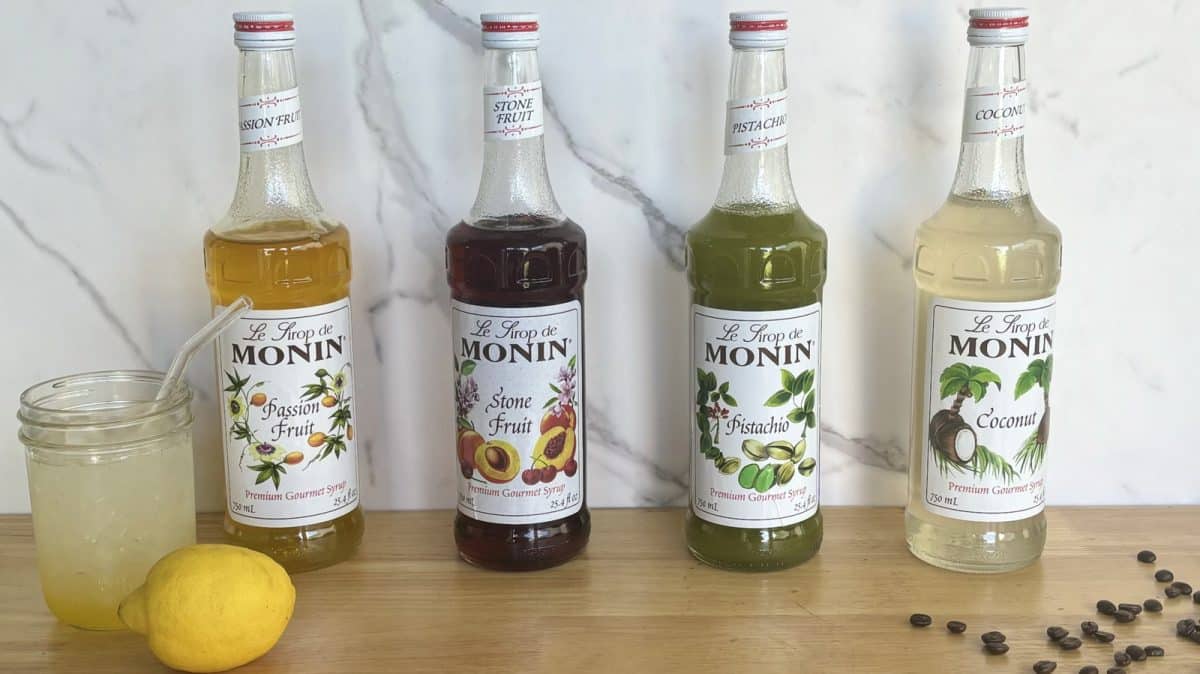
- 4. Coconut
- 3. Pistachio
- 2. Stone Fruit
- 1. Passion fruit
- Methodology
Monin’s wide lineup of flavored syrups shows up in independent cafés and kitchen cabinets alike, and new varieties keep arriving as seasonal and global tastes trend. I sampled 20 Monin syrups — including the brand’s 2024 flavor of the year — to see which ones genuinely lift drinks and which are more about color or novelty.
- Top overall: Passion fruit — bright, versatile, and memorable.
- Best for layered drinks and cocktails: Stone Fruit — a balanced blend of apricot, peach and dark cherry.
- Most interesting nut profile: Pistachio — roasted and authentic-feeling.
- Standout sugar-free: Sugar-free lavender — nearly identical to the sugared version, but sweetened with sucralose.
- Most useful for presentation: Desert pear — dramatic magenta color with subtle flavor.
Caramel, butterscotch, toffee: how their differences affect your desserts
McDonald’s rebrands Twitter to honor Bubba Wallace after his first NASCAR Cup win
20. Hot honey
I tried this expecting a spicy-sweet lift for cocktails; instead it pushed heat to the foreground. In a gin-and-lemon mix the spice overpowered the citrus, leaving little nuance. It works as a condiment on pizza, but in syrup form it’s aggressive and hard to balance in drinks.
19. Ube
Monin promoted ube as its 2024 flavor of the year — the vivid purple yam popular in Southeast Asia. Visually the layered lemonade looked striking, but the taste was elusive: sweet at first, then an ambiguous aftertaste that didn’t read clearly as yam or anything familiar. The syrup is intriguing, worth experimenting with, but didn’t land immediately.
18. Lavender
The classic floral syrup translated as subtle and slightly understated. It tinted drinks a pale purple and offered gentle flavor rather than a bold floral punch. Those seeking a pronounced lavender note may find it too restrained.
17. Sugar-free lavender
This version surprised me: compared side by side with the sugared lavender, differences were minimal apart from a lighter color. It uses sucralose, which some consumers will want to know. For low-calorie menus, it’s a viable alternative that preserves the overall lavender profile.
16. Natural Zero Raspberry
Sweetened with stevia, this raspberry syrup leaned very sweet — perhaps overly so at the bottle’s recommended pour. The fruit note felt muted behind the sugariness, though I can see it working when paired with bitter coffee or dark chocolate, where the sweetness would be an asset.
15. Raspberry
The regular raspberry syrup struck a better balance than the stevia-sweetened version, offering a clearer berry character and less cloying sweetness. It suited iced tea and lemonades well, though I wanted a juicier, brighter berry kick.
14. Vanilla
Monin’s vanilla is warm and toasty rather than saccharine — a good foundational syrup that won’t dominate a drink. It’s quietly useful for layering flavors, even if it won’t grab attention on its own.
13. Hibiscus
I mixed this into a rum-and-pineapple drink built from the bottle’s suggestion. The syrup added gentle floral-sour notes and a beautiful color; in a boozy mix it can be easily overshadowed, so think of it as a sweetening and coloring agent more than a starring flavor.
12. Desert pear
Visually, this one is stunning — a vivid magenta that elevates presentation. Flavor-wise it’s surprisingly restrained. Use a small amount when aesthetics are the goal; if you expect a bold fruit profile, you may be disappointed.
11. Tiramisu
The syrup brings a bright coffee note but only a whisper of the chocolate-and-cream characteristics that define tiramisu. It was pleasant in iced coffee and could pair well with added chocolate components, but on its own it doesn’t fully evoke the dessert.
10. Toasted marshmallow
The aroma is instantly nostalgic; in a cold brew with milk it adds cozy sweetness. The syrup feels incomplete without a chocolate counterpoint — imagine it as a component for hot chocolate or a mocha rather than as a solo star.
9. Crème caramel
This flavor aims for caramelized custard and mostly succeeds: there’s a toasty caramel edge that differentiates it from a plain caramel syrup. It adds a dessert-like creaminess to coffee without needing extra dairy to achieve richness.
8. Strawberry rose
Thick and almost purée-like, this syrup starts floral and then reveals strawberry beneath. The rose note can dominate at higher measures, so scale back from the bottle’s suggestion for better balance. It could make an interesting cold foam or lemonade topper.
7. Caramel apple butter
Think baked and mulled apples rather than crisp fresh fruit. Mixed with club soda it produced a surprisingly pleasant, soda-shop-like drink — warm, dessert-forward, and evocative of spiced apple desserts.
6. Green mint
Its bright color makes it a novelty for seasonal drinks, but the flavor has practical tricks — it livens cold foam and beverages when used judiciously. Pair it with chocolate or brown sugar for a more rounded profile.
5. Spiced brown sugar
Extremely concentrated in sweetness, this syrup is impactful and should be used sparingly. The added spice distinguishes it from plain brown sugar syrups and makes it a strong candidate for specialty coffee drinks where you want depth without multiple ingredients.
4. Coconut
Coconut comes through authentically — a sun-lotion-like scent in a pleasing way — and plays nicely in lattes. Half an ounce gave the right lift in milk-based drinks; consider pairing with coconut milk for an amplified tropical effect (or blending milks to avoid thinness).
3. Pistachio
This was one of the biggest surprises. The syrup carries an almond-adjacent aroma with a roasted quality that feels genuinely nutty. It outperforms many commercial pistachio offerings and works well for plant-based coffee builds because it’s syrup-based rather than a heavy sauce.
2. Stone Fruit
Labelled vaguely, this syrup melds apricot, peach and dark cherry into a harmonious whole. Peach notes shine brightest, supported by cherry’s depth. It’s versatile across cocktails and soft drinks and one of the most reliably enjoyable fruit blends here.
1. Passion fruit
Top of the list for a reason: bright, balanced, and expressive. In lemonade it tasted fresh and juicy; with soda or in cocktails it provides a tropical lift without cloying sweetness. Unexpectedly, the fruity option outclassed many classic dessert- and spice-forward syrups in sheer drinkability.
Methodology
I tested each syrup in drinks designed to showcase the labeled flavor — usually one of the recipes printed on Monin’s bottles — and adjusted quantities according to taste. Criteria for ranking were threefold: how much I enjoyed the resulting drink, how accurately the syrup reflected its name, and what visual or textural contribution it made to the beverage.
Many of the bottles tested were samples provided by the manufacturer; where sugar-free or “zero” varieties were offered, I compared them directly with their sugared counterparts. The goal was practical: identify which syrups are useful tools for cafés and home baristas, and which are better seen as garnish or novelty.
Bottom line: while a few syrups excel mainly at visual impact, several — notably passion fruit, stone fruit, and pistachio — deliver flavor profiles that expand what you can practically do at the counter. For anyone stocking a home bar or updating a café menu, those are the ones worth prioritizing.
Irish whiskey: approachable bottles new drinkers should try today
Fishtown restaurants ranked: must-visit spots locals are raving about