Show summary Hide summary
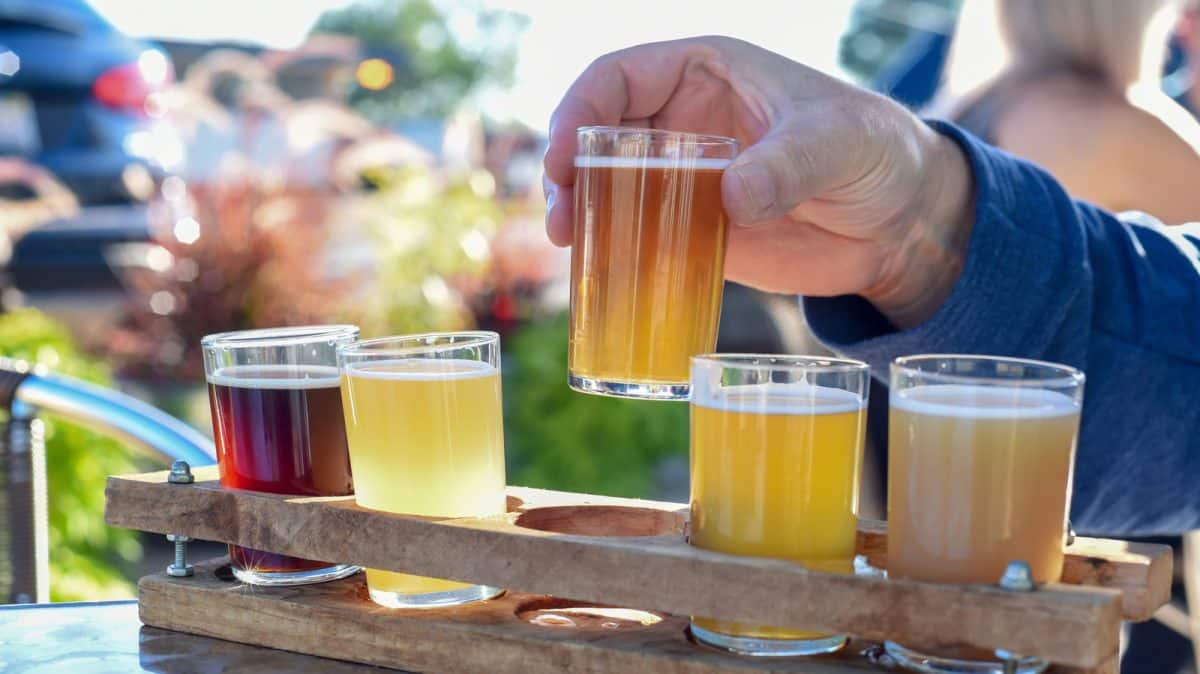
Across the U.S., small breweries are leaning into where they source their ingredients, and the result is a lineup of beers that change with the calendar and the landscape. That shift matters now: consumers want distinctive flavors and lower environmental impact, and for many microbrewers, seasonal, locally gathered ingredients deliver both.
Large-scale brands have long relied on consistency; independent breweries are selling something else — a sense of place. At Threes Brewing in Brooklyn, head brewer Josh Penney says that regional identity is central to how his team approaches recipe development. When breweries work with nearby farms or forage local botanicals, they capture flavors that are tied to a time and a place, creating beers that are unlikely to taste the same if brewed somewhere else.
Local sourcing as a competitive and environmental choice
Caramel, butterscotch, toffee: how their differences affect your desserts
McDonald’s rebrands Twitter to honor Bubba Wallace after his first NASCAR Cup win
Using ingredients from the surrounding area isn’t just a storytelling device. Brewers point to tangible gains: reduced transportation costs, smaller carbon footprints, and stronger ties with nearby growers. For many small operations, those partnerships also keep money circulating within local economies.
But this approach comes with trade-offs. Agricultural inputs are vulnerable to weather swings and pests, so the beers themselves can become unpredictable. Rather than a problem, many craft brewers treat that unpredictability as part of the product: the best seasonal batches are meant to reflect the current harvest, not to be exact replicas year after year.
How the seasons — and the region — show up in your pint
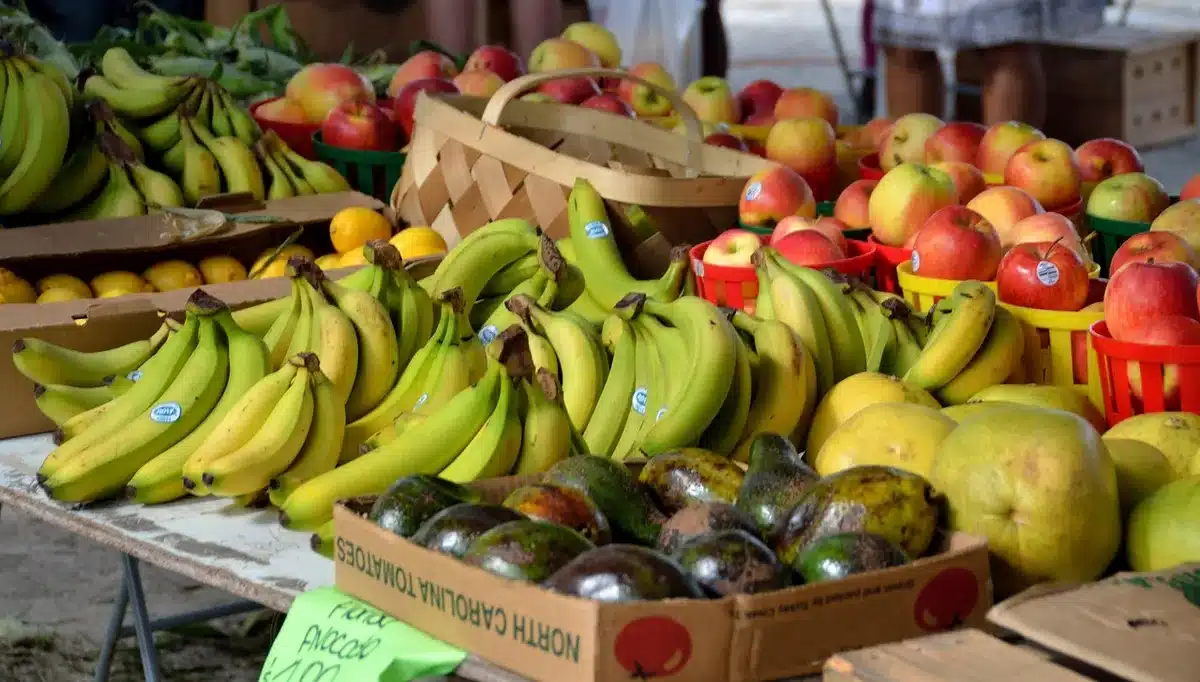
Different parts of the country showcase different ingredients depending on local crops and climate. Coastal and southern brewers may experiment with citrus varieties that peak in winter, while breweries in colder corners of the Northeast can highlight maple or late-harvest fruits once sap and orchards matter most. In summer, lighter fruit-forward styles and shandies remain common ways to highlight fleeting ripeness.
- Regional flavors: Ingredients like local citrus, maple, or foraged herbs add unmistakable geographic notes.
- Seasonal timing: Harvest schedules determine when certain beers are possible — and when they’re at their best.
- Supply risk: Droughts, storms, and poor harvests can force recipe changes or limit output.
- Community impact: Collaborations with nearby farms create economic benefits beyond the brewery.
There are standout examples around the country of breweries building identities around place. Penney points to Washington state and North Carolina operations that consistently craft beers with a clear sense of origin, producing releases that feel more like snapshots of a region than standardized products.
For drinkers, the implication is simple: seeking out local microbreweries means tasting beers that evolve with the seasons and the landscape. For communities, it means a small but growing business model that prioritizes sustainability and local partnerships. And for the industry, it’s a reminder that beer — like wine — can be an expression of terroir, shaped as much by geography and climate as by the brewer’s choices.
Irish whiskey: approachable bottles new drinkers should try today
Fishtown restaurants ranked: must-visit spots locals are raving about