Show summary Hide summary
Bright colors, bold flavors and a newfound interest in crafted drinks: the 1990s reshaped how people drank, both in bars and at home, and many of its signature cocktails are back in vogue now. From TV-driven phenomena to tiki revivals and coffee-infused mixes, these recipes still influence menus and home bartenders—here’s what to know if you want a taste of that decade today.
The era is often described as a small renaissance for cocktails, when approachable, fruit-forward recipes multiplied alongside renewed interest in mixology. That blend of accessibility and showmanship produced a cluster of drinks that remain familiar to modern audiences—equally at home in retro-themed nights and contemporary cocktail bars.
Cosmopolitan
Caramel, butterscotch, toffee: how their differences affect your desserts
McDonald’s rebrands Twitter to honor Bubba Wallace after his first NASCAR Cup win
The Cosmopolitan became synonymous with late‑1990s urban glamour after repeated television plugs, but its reworking originated a few years earlier in New York bars. A chilled combination of vodka flavored with orange liqueur, cranberry and lime yields a bright pink drink that balances tartness with citrus lift. Its resurgence in recent years has kept it as a go‑to for anyone seeking a stylish, easy‑to‑sip cocktail.
Espresso Martini
Part cocktail, part pick‑me‑up, the espresso martini pairs vodka with freshly brewed coffee and coffee liqueur to produce a frothy, bittersweet serve often finished with a single bean. Invented on the London scene in the 1980s, it surged through the 1990s and has experienced renewed popularity thanks to cafés‑meets‑bar culture and coverage in mainstream outlets.
Appletini
Recognizable for its neon green color and candied apple aroma, the appletini distilled the decade’s appetite for playful, fruit‑led martinis. Most versions combine vodka and apple liqueur, sometimes with a squeeze of citrus or a touch of sweetness to round the edges. Origin stories point to late‑1990s Los Angeles, where bartenders experimented with flavored schnapps and found a crowd‑pleaser.
Sex on the Beach
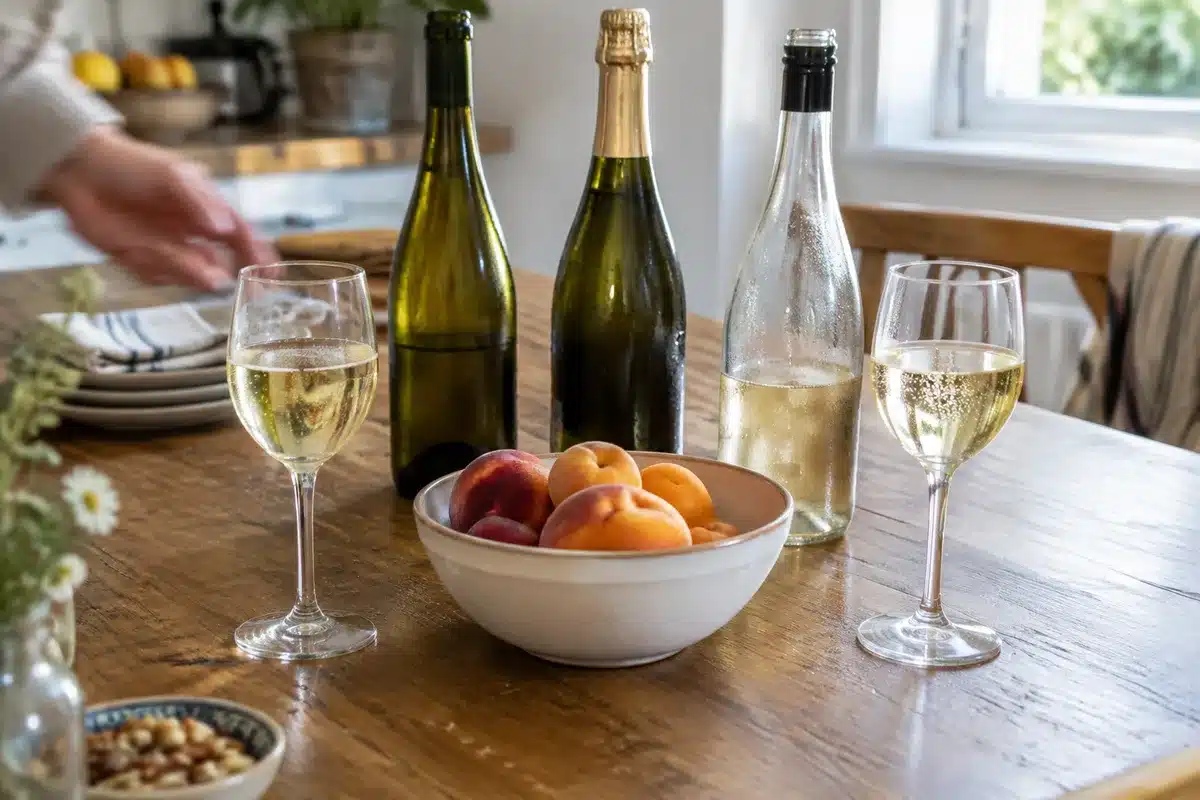
A layered, fruity cocktail designed to evoke sunshine and easy drinking, this tall serve mixes peach schnapps, fruit juices and a splash of vodka with cranberry or raspberry for color. It likely emerged from Florida’s spring‑break bar scene and became a party staple—its name and flavor profile make it a perennial vacation favorite.
Long Island Iced Tea
Infamous for packing several spirits into one glass, the Long Island Iced Tea blends white rum, vodka, tequila, gin and triple sec with citrus, simple syrup and a cola top. Though its roots trace back to an earlier cocktail competition, the drink carried through clubs and late nights across the ’80s and ’90s and still turns up where drinkers want something strong and fizzy.
Mojito
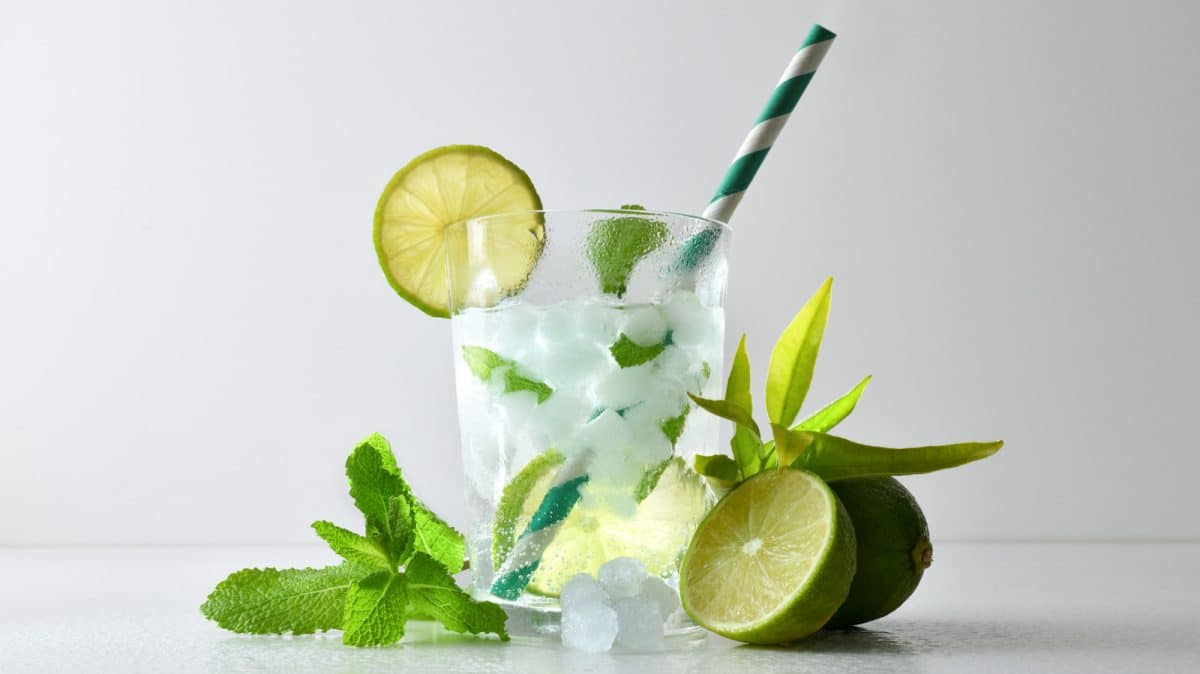
Fresh mint, lime, rum and soda—simple ingredients that give the mojito a bright, cooling character. While its history stretches back centuries, the cocktail found renewed popularity in the 1990s thanks to lively beach and club scenes. Today it remains a benchmark for well‑executed, refreshing cocktails made with muddled herbs.
French Martini
Elegant and straightforward, the French martini mixes vodka with raspberry liqueur and pineapple juice for a subtly sweet and fragrant drink. Despite the name, it’s a New York creation inspired by a French raspberry liqueur, and it became popular in upscale circles in the mid‑1990s before enjoying a social‑media era comeback.
Daiquiri
Many associate the daiquiri with frozen, slushy iterations, but the classic is a finer blend of white rum, lime and sugar—clean, tart and balanced. The drink’s lineage dates to 19th‑century Cuba and it resurged in the ’90s as bartenders revisited stirred, citrus‑forward recipes rather than purely blended variations.
Mai Tai
A tiki benchmark, the mai tai layers rums with lime, orange curaçao, orgeat (almond syrup) and a touch of sugar. Created in the 1940s and popularized in Polynesian‑themed venues, it came back into prominence in the 1990s with renewed interest in tropical cocktails and tiki culture, though modern versions sometimes skew sweeter than the original.
Caipirinha
Brazil’s national cocktail is a minimalist formula: muddled lime, sugar and cachaça served over ice. In the 1990s, rising curiosity about cachaça and muddled cocktails pushed the caipirinha onto global menus, and today it’s celebrated both in its traditional form and in fruit‑infused variations.
Why this matters now: many of these drinks are again visible on modern cocktail lists, taught in online tutorials and reimagined on social platforms, meaning consumers should expect both faithful versions and playful updates. For anyone ordering at a bar or mixing at home, understanding each drink’s flavor profile helps set expectations—whether you want something herbal, coffee‑forward, tart or indulgently sweet.
- What to expect: Cosmopolitan — citrus and cranberry; Espresso martini — coffee and sweetness; Appletini — tart apple and candy notes.
- Best for: Long Island Iced Tea — late‑night group settings; Mojito — hot weather; Daiquiri — when you want a classic, balanced rum cocktail.
- Order tips: Ask for fresh citrus, specify sweetness level, and request less syrup if you prefer a drier finish.
- At home: Many of these recipes are straightforward; good ice, fresh lime and measured spirits make a big difference.
These cocktails are more than nostalgia; they chart how tastes shifted toward fruit, color and theatrical presentation in the late 20th century—and how those preferences continue to shape drinking culture today. Whether you’re exploring menus or updating your home bar, the 1990s left a practical, drinkable legacy worth sampling.
Irish whiskey: approachable bottles new drinkers should try today
Fishtown restaurants ranked: must-visit spots locals are raving about