Show summary Hide summary
A small pizzeria in Norwich has turned a long-running food argument into a marketing stunt: its menu lists a Hawaiian pie for £100 — roughly $120 — a cheeky surcharge meant to discourage fans of pineapple on pizza. The move has reignited a familiar debate while showing how restaurants are using bold menu decisions to grab attention in a crowded market.
Menu stunt aims to be tongue-in-cheek
The price, visible on a delivery platform listing, was placed by co-owners at Lupa Pizza as an exaggerated response to the topping that divides diners. They told regional press the idea began as a joke and a statement about taste preferences; the restaurant says it will still prepare the pie if someone pays for it.
Caramel, butterscotch, toffee: how their differences affect your desserts
McDonald’s rebrands Twitter to honor Bubba Wallace after his first NASCAR Cup win
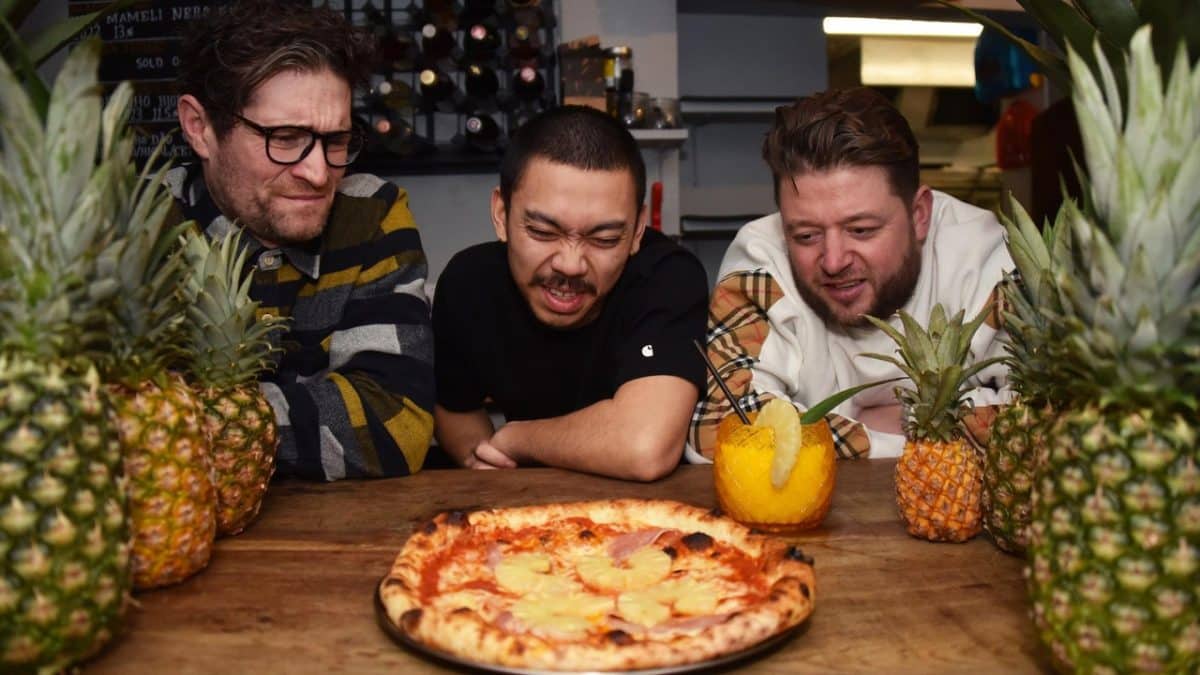
Head chef and co-owner added a theatrical touch to the campaign: images circulated online show staff playfully demolishing a pineapple, underscoring the restaurant’s stance without outright banning the item.
Industry reaction and customer choice
Not every operator agreed with the stunt as a policy. John Stetson, CEO of Florida-based Stoner’s Pizza Joint, called the marketing clever but said his chain would not price customers out for choosing a Hawaiian pizza. He noted that at Stoner’s, the pineapple-topped option sits toward the middle of the popularity chart — neither a bestseller nor an outcast.
| Detail | What happened |
|---|---|
| Location | Norwich, England |
| Restaurant | Lupa Pizza |
| Listed price for Hawaiian pizza | £100 (about $120) |
| Intended message | Playful deterrent to a disliked topping; publicity grab |
Such stunts can be a low-cost way to attract coverage and social-media attention, but they also risk alienating a portion of a restaurant’s customer base. For some independent operators, provocative menu items become part of a brand voice; for larger chains, the priority often remains consistent customer choice and steady sales.
- Visibility: Viral pricing or menu jokes can generate free publicity and draw foot traffic.
- Customer relations: Gimmicks may delight some patrons while frustrating others who feel excluded.
- Operational impact: If taken seriously, unusual pricing can complicate order handling on delivery platforms.
- Brand identity: Consistent tone matters—what works for a small, edgy pizzeria may be risky for mainstream chains.
Where the Hawaiian pizza came from
The combination of ham and pineapple — commonly called Hawaiian pizza — was actually invented in Canada in the early 1960s by Sam Panopoulos, a restaurateur who experimented with canned fruit on pies to see how the flavors would pair. The creation proved popular with some customers and controversial with others, starting a culinary rift that persists today.
The pineapple-on-pizza conversation also attracts occasional heavyweight commentary: a past quip from Iceland’s president and a supportive message from Canada’s prime minister both made international headlines, while chefs and celebrities have weighed in repeatedly on social media. The debate endures because it touches on personal taste, cultural tradition, and how restaurants choose to communicate with diners.
For restaurants balancing creativity with commerce, the Norwich case is a reminder: playful menu choices can cut through the noise — but they also sharpen the spotlight on exactly whom a business hopes to welcome.
Irish whiskey: approachable bottles new drinkers should try today
Fishtown restaurants ranked: must-visit spots locals are raving about