Show summary Hide summary
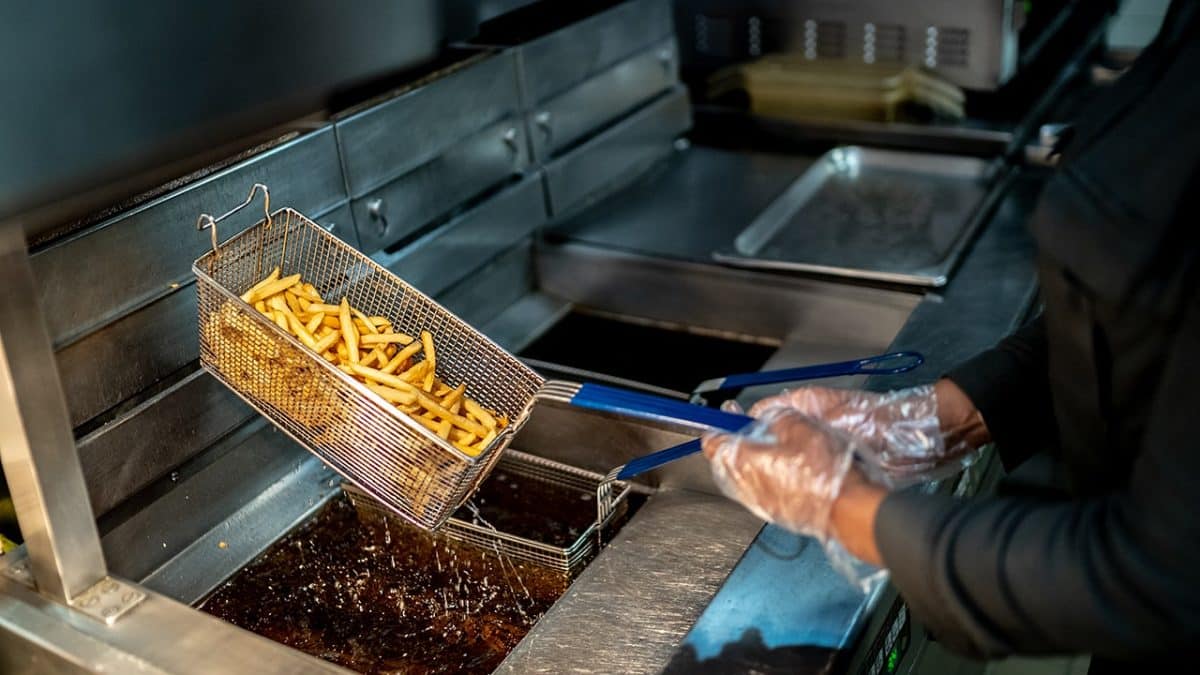
Steak ‘n Shake said this week it will begin frying its signature shoestring fries in 100% beef tallow at all U.S. locations by the end of February 2025, reversing a decades-long shift toward vegetable-based frying oils. The move taps into a growing debate over cooking fats and could reshape how a legacy fast-food chain markets one of its core items.
The Indiana-based burger and shake chain announced the change on its social media account and confirmed the timeline in a corporate statement, saying the switch is intended to restore what it called the “authentic” flavor and texture of its fries. Executives framed the transition as a quality-driven decision rather than a cost or supply play.
What the change involves
Caramel, butterscotch, toffee: how their differences affect your desserts
McDonald’s rebrands Twitter to honor Bubba Wallace after his first NASCAR Cup win
Steak ‘n Shake plans to replace the vegetable oil currently used in its fryers with 100% beef tallow across its roughly 436 U.S. restaurants, most of which are concentrated in the South and Midwest. The company’s supply chief said the switch will be complete by late February 2025.
On the chain’s X account, managers teased the announcement with a customer poll and later posted a confirmation message that leaned into the nostalgia of animal-fat frying. The poll reportedly drew strong support for the change, with more than 90% of respondents saying yes.
| Item | Detail |
|---|---|
| Rollout deadline | By end of February 2025 |
| Number of U.S. locations | Approximately 436 |
| New frying medium | Beef tallow (rendered beef fat) |
| Previous frying oil | Vegetable oil / seed-oil blends |
Why this matters now
Beyond the immediate taste and menu implications, the decision connects to a larger public conversation about dietary fats. In recent years, “seed oils” such as soybean, canola and corn oil have become contentious topics among some health commentators and activists. Prominent figures have publicly urged restaurants to abandon seed oils in favor of animal fats, arguing they contribute to poor health outcomes — a claim that remains debated within the scientific community.
One high-profile voice in that debate, Robert F. Kennedy Jr., called for a return to tallow in fast-food frying last October, noting that major chains historically used animal fats before switching to vegetable oils in the late 20th century. Kennedy suggested the change in frying mediums coincided with rising obesity rates, a link that is contested and requires more rigorous scientific backing.
Practical and culinary implications
Chefs and food scientists point out that animal fats like tallow and lard have different flavor profiles and frying properties than seed oils. Tallow can produce a distinct mouthfeel and crispness that some consumers prefer, but it also alters labeling, storage and allergen information for restaurants that implement it.
For customers, the change may also matter for dietary or ethical reasons: some diners avoid animal fats for health, religious or personal preferences, while others welcome the flavor shift. Franchise operators will need to manage supply chains and communicate the change clearly to patrons.
- Flavor: Tallow tends to yield a richer, beefier aroma and a crisp exterior.
- Shelf life and handling: Animal fats have different storage and frying-temperature characteristics than vegetable oils.
- Consumer choice: Some customers may view the change positively for taste, while others may be deterred by dietary or ethical concerns.
Steak ‘n Shake has a long history—founded in 1934—and is best known for its steakburgers and milkshakes. The company said the tallow shift is meant to enhance product quality, noting that customers “deserve the best.”
Industry watchers will be looking to see if other chains follow suit. Big-name fast-food companies have experimented with different frying oils over the years; McDonald’s, for example, once used beef tallow for its fries before moving to vegetable-based oils in the 1990s.
The health debate over frying fats is ongoing and complex. While some advocates argue that seed oils are a driver of modern diet-related illnesses, major public health agencies emphasize the need for balanced diets and point to multiple factors behind obesity trends, including overall calorie intake, physical activity and food environments.
Steak ‘n Shake did not immediately provide additional comment beyond its announcement. The restaurant’s planned switch underscores how culinary preferences, social media sentiment and public-health conversations can intersect to prompt visible menu changes at national chains.
Irish whiskey: approachable bottles new drinkers should try today
Fishtown restaurants ranked: must-visit spots locals are raving about