Show summary Hide summary
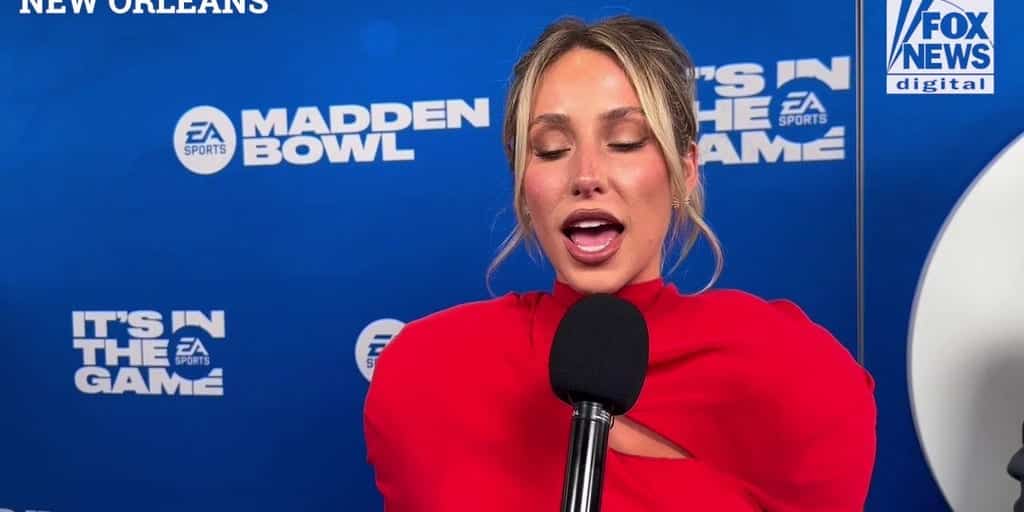
Alix Earle’s new commercial for Carl’s Jr., released this week, has reignited a familiar conversation about how influencers and legacy brands work together — and what that partnership means for audience trust. The spot’s arrival matters because it sits at the crossroads of creator-driven marketing and fast-food branding during a moment when both are under intense public scrutiny.
What happened
The campaign pairs social creator Alix Earle with fast-food chain Carl’s Jr., marking another instance of mainstream brands leaning on internet personalities to reach younger audiences. The advertisement has been rolled out across major social platforms and the brand’s own channels, aiming to translate Earle’s large following into wider visibility for the menu.
Caramel, butterscotch, toffee: how their differences affect your desserts
McDonald’s rebrands Twitter to honor Bubba Wallace after his first NASCAR Cup win
Response was immediate. On social media, some viewers applauded the collaboration as savvy marketing; others questioned whether the partnership fits Earle’s established persona. That split reaction is now part of the broader debate about authenticity, creator compensation and brand risk.
Why this matters now
Influencer-brand tie-ups are no longer experimental. They shape how millions discover products and form impressions of companies. For readers and followers, the stakes are tangible: these campaigns influence purchasing decisions and define what creators can or cannot do without alienating their audiences.
The Carl’s Jr. spot is significant because it highlights three ongoing trends in digital marketing:
- Creator-driven reach: Brands are paying influencers to shortcut traditional advertising funnels and tap engaged, niche audiences directly.
- Reputation trade-offs: Partnerships can boost earnings but risk changing how a creator is perceived, especially when the brand carries a charged legacy.
- Platform amplification: Clips that debut on TikTok or Instagram often migrate to mainstream news and conversation, amplifying both praise and criticism.
Industry perspective
Marketing executives say campaigns like this are measured on immediate metrics — views, engagement, and short-term sales — but the long game includes brand alignment and creator longevity. For a creator, choosing a partner is a strategic decision: the right deal can expand a career; the wrong one can prompt audience erosion.
At the same time, legacy chains such as Carl’s Jr. are accelerating efforts to modernize their image. Working with digital-native figures helps them signal relevance to younger consumers, even if that approach invites controversy along the way.
What to watch next
Key indicators to follow in the coming days and weeks:
- Engagement trends on Earle’s posts and on Carl’s Jr.’s channels — likes, comments and share velocity.
- Any follow-up content from Earle that explains creative choices or shows behind-the-scenes context.
- Brand performance signals such as limited-time offers or localized promotions tied to the campaign.
- Media coverage and commentary that could widen or dampen the campaign’s reach.
For readers, the episode is a reminder that influencer partnerships are shaping the broader cultural conversation, not just ad feeds. Whether consumers view the collaboration as a natural extension of Earle’s platform or a mismatched endorsement will depend on how both she and Carl’s Jr. manage the story going forward.
Irish whiskey: approachable bottles new drinkers should try today
Fishtown restaurants ranked: must-visit spots locals are raving about