
Show summary Hide summary
Last month a snapshot from a McDonald’s in Franklin, Tennessee — showing a corner with two chairs and embedded screens where a traditional playground might sit — set off a fresh round of online conversation about what fast-food play spaces should look like. The photo tapped into a larger question: are McDonald’s changing their child-focused areas to reflect a more digital, drive-thru-oriented era, and what does that mean for families?
Viral image and the company response
A user on X shared the image and described the small installation as a disappointing substitute for a classic PlayPlace, prompting hundreds of reactions. McDonald’s told news outlets the setup at that location includes a few interactive elements for younger guests but isn’t intended to represent a full-scale PlayPlace.
Caramel, butterscotch, toffee: how their differences affect your desserts
McDonald’s rebrands Twitter to honor Bubba Wallace after his first NASCAR Cup win
That exchange highlights a tension many parents notice: some restaurants still keep full indoor playgrounds, while others are moving toward quieter, screen-driven experiences or eliminating the play area entirely.
One traveler’s global view
Gary He, who wrote McAtlas after visiting McDonald’s restaurants in more than 55 countries, says the chain’s play offerings vary wildly and often mirror local culture and consumer habits. He argues the changes are less a retreat from family entertainment than an adaptation to how people use restaurants today.
“In many places the restaurants are designed around how families actually spend time there,” He said, noting that in the U.S. a large share of traffic is now drive-thru and delivery.
Examples from around the world
- Orlando, Florida: The company’s largest entertainment store includes extensive activities and digital attractions alongside traditional play features.
- Roswell, New Mexico: A location built with a flying-saucer–style dining room and a space-themed play area that includes tube slides and physical games.
- Taupo, New Zealand: A former DC-3 airplane repurposed on site so visitors can explore the cockpit — a hands-on attraction for kids and adults.
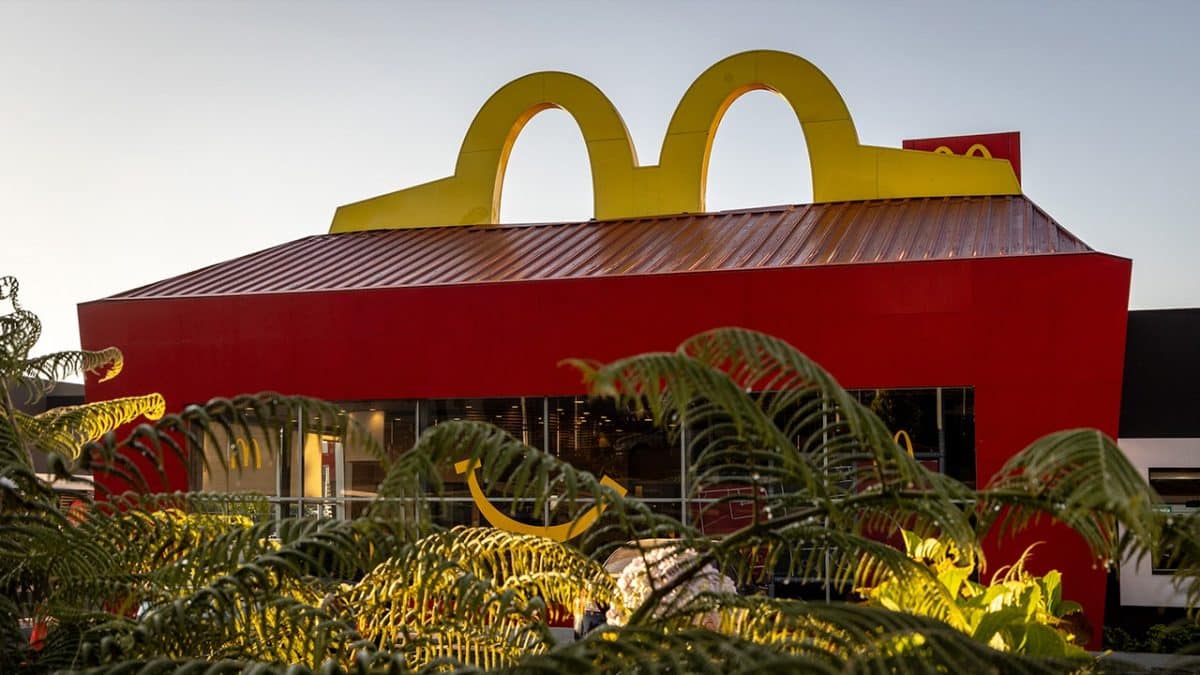
- Guatemala City: The “Cajita Feliz” restaurant takes the Happy Meal concept further, with a location shaped like a Happy Meal box and a history tied to the region’s creation of the kid’s meal.
- France and China: He points to “Ronald Gyms” and salad-bar concepts in France, while some Chinese outlets offer exercise bikes that charge phones and even holographic characters in play zones.
These variations underscore a central point: McDonald’s play spaces are not one-size-fits-all. Operators experiment with formats that reflect local preferences, building footprints and business models.
Why it matters now
For families, the shift affects what to expect when bringing children to a restaurant: physical play areas may be reduced or replaced with interactive screens, altering how kids burn energy and socialize. For communities, the decline of classic indoor playgrounds means fewer public, low-cost indoor play options in some neighborhoods.
From a business perspective, modernized formats can support new revenue and engagement strategies — from app-driven promotions to in-store digital advertising — while addressing public health and staffing realities that have influenced design choices since the pandemic.
McDonald’s reports more than 38,000 locations in about 100 countries, which gives operators significant latitude to test different approaches. Regional franchisees also frame play and family programming differently: for example, Latin American operator Arcos Dorados promotes family-oriented menus and initiatives that encourage reading, play and well-being at select sites.
Takeaways
The viral Franklin photo is best read as part of a broader trend rather than an isolated loss. Chains are balancing physical play, digital engagement and practical constraints. Parents who prefer traditional play structures should check ahead for specific locations, while communities and policymakers may want to consider how shifts in commercial play spaces affect access to child-friendly public places.
The debate over screens versus slides is likely to continue as restaurants test new formats and families decide what they value most in a quick-service visit.
Irish whiskey: approachable bottles new drinkers should try today
Fishtown restaurants ranked: must-visit spots locals are raving about










