
Show summary Hide summary
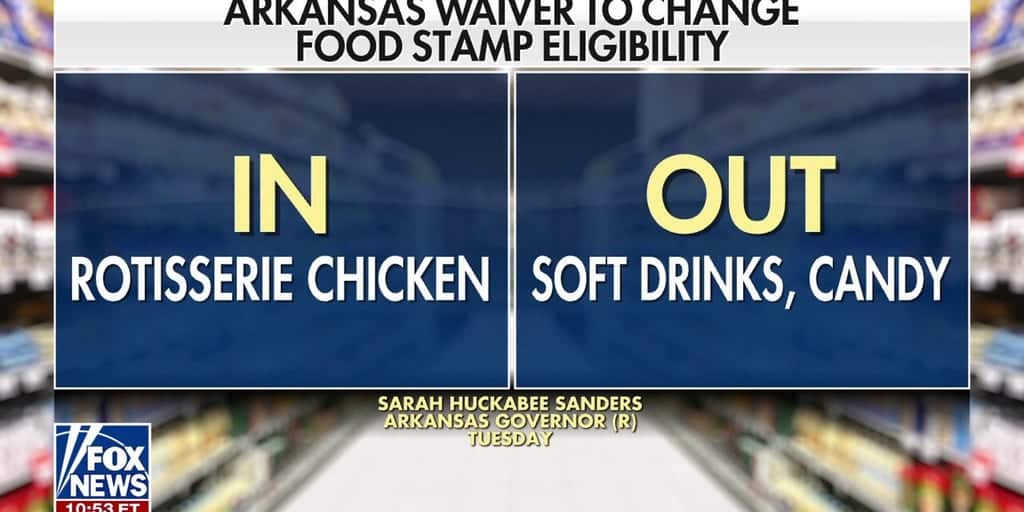
A coalition of Republican governors has pushed a renewed effort this month to curb purchases of high-sugar foods and drinks using federal nutrition benefits, arguing the move would improve public health and reduce long-term healthcare costs. The proposal, still largely at the planning and negotiation stage, raises immediate questions about how changes would be enforced, who would be affected, and whether the federal government has the authority to approve state-level pilots.
What governors are proposing — and why it matters now
State leaders in several Republican-run capitals have signaled interest in restricting purchases of sugar-sweetened beverages and certain packaged sweets with SNAP benefits, the federal program formerly known as food stamps. Proponents say the shift targets diet-related conditions that disproportionately affect low-income communities and could steer program dollars toward more nutritious choices.
Caramel, butterscotch, toffee: how their differences affect your desserts
McDonald’s rebrands Twitter to honor Bubba Wallace after his first NASCAR Cup win
The debate has acquired urgency because millions of Americans rely on SNAP for everyday groceries; any change to what can be bought with an Electronic Benefits Transfer (EBT) card would have quick and visible effects on households, retailers and state budgets.
How the policy changes would work in practice
Most proposals envision one of two paths: states request federal permission for limited demonstrations, or they pass state-level rules that attempt to restrict purchases at the point of sale. Both approaches face operational and legal hurdles.
- Pilot programs: States would ask the U.S. Department of Agriculture to approve time-limited demonstrations testing exclusions or incentives, such as banning sugary drinks from EBT purchases or offering additional dollars for fruits and vegetables.
- Point-of-sale controls: Retailers would need software and categorization systems to prevent restricted items from being purchased with SNAP benefits, potentially requiring new scanning codes and staff training.
- Incentives vs. bans: Some proposals prefer positive nudges—extra benefits for healthy purchases—while others seek outright bans on specific product categories.
Arguments from both sides
Supporters frame the effort as a public-health intervention. They point to research linking high consumption of sugary drinks and snacks to obesity, diabetes and other chronic illnesses, and argue that SNAP dollars should promote nutrition.
Critics counter that restrictions risk stigmatizing recipients, complicating the grocery-buying process, and shifting administrative costs to states and retailers. Food access advocates also warn that limiting choices could punish people who already face food insecurity rather than addressing the underlying drivers of poor diets, such as food deserts and income constraints.
Practical and legal obstacles
Among the immediate challenges:
- Technological upgrades for thousands of retailers to flag or block purchases at checkout.
- Defining what counts as a “sugary” product in a way that’s enforceable across brands and packaging.
- Federal-authority questions—SNAP is federally funded and administered through USDA rules; states typically need waivers or approvals for major deviations.
- Potential lawsuits alleging unequal treatment or preemption of federal program rules.
Who would be affected
The most direct impact would fall on SNAP participants who use EBT cards to buy groceries, but the ripple effects would touch small grocery stores, large retailers, food manufacturers and state agencies that administer benefits. Public-health programs, Medicaid budgets and community food programs could also see changes in demand and cost patterns if consumption shifts.
What to watch next
In the weeks ahead, look for whether governors formally request USDA demonstration projects, whether state legislatures consider bills on the issue, and how retailers respond. Federal action—either approving pilots or issuing stricter guidance—would be the clearest signal that changes could reach tens of millions of beneficiaries.
For now, the conversation highlights a broader tension: how to reconcile public-health goals with the practical realities and civil-rights concerns of administering a nationwide nutrition assistance program. Any move forward will hinge on technical detail as much as on political will.
Irish whiskey: approachable bottles new drinkers should try today
Fishtown restaurants ranked: must-visit spots locals are raving about










