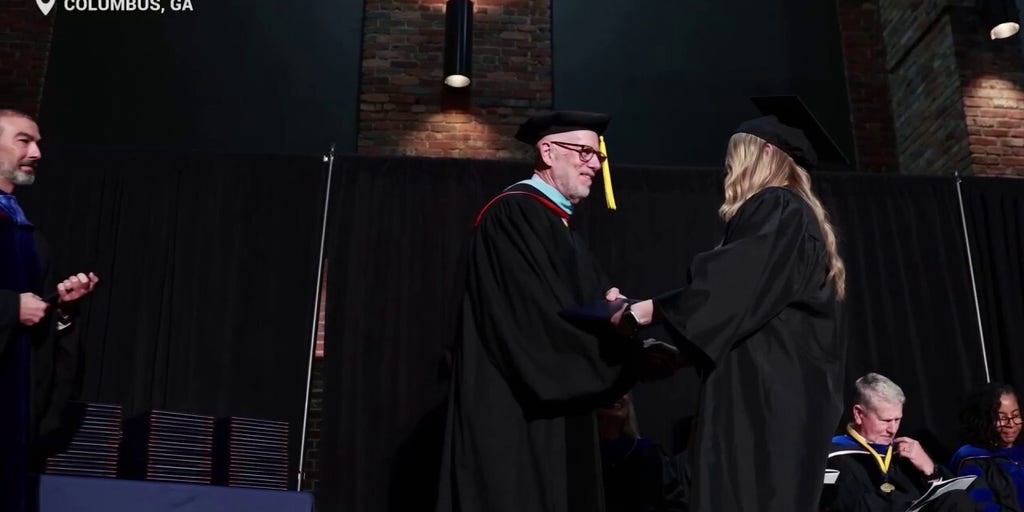
A new tuition partnership involving Chick-fil-A has enabled employees to finish college without taking on student loans, a development that underscores how private employers are stepping into the gap left by rising tuition and the ongoing student-debt debate. The move points to immediate benefits for workers and could reshape hiring and retention strategies across the fast-food and retail sectors.
Companies increasingly offer education benefits as part of recruitment and retention packages, and the Chick-fil-A initiative follows that trend by pairing restaurant employees with accessible degree programs and financial support. Program participants report completing degrees while continuing full- or part-time work, avoiding the typical trade-off between earning and studying that pushes many prospective students into debt.
Why this matters now
Employers funding or facilitating college completion has direct consequences for local labor markets. For employees, debt-free credentials increase lifetime earnings potential and reduce financial stress. For employers, the payoff appears in lower turnover and improved staff skills. At a moment when student-loan policy remains a national talking point, employer-led pathways offer a practical, immediate option for workers who can’t wait for broader federal solutions.
Caramel, butterscotch, toffee: how their differences affect your desserts
McDonald’s rebrands Twitter to honor Bubba Wallace after his first NASCAR Cup win
How the model works
– Tuition assistance: Employers cover all or part of tuition costs or connect workers to scholarships that fill the gap.
– Flexible scheduling: Work hours are arranged to accommodate classes, particularly for online or evening programs.
– Partnered curricula: Companies partner with colleges that offer career-relevant degrees, from business administration to supply-chain management.
– Completion supports: Advising, tutoring, and cohort models help adult learners stay on track.
These elements combined are designed to reduce common barriers—cost, time, and academic support—so employees can graduate without borrowing.
Implications for workers and employers
For workers, the immediate benefit is obvious: a degree without the burden of student loans. That can translate into better long-term financial stability and greater mobility in the job market. For Chick-fil-A, the investment functions as a form of workforce development, improving employee skills and potentially creating a pipeline for management positions without traditional recruitment costs.
Policy experts say employer-sponsored education is unlikely to replace public solutions on its own, but it can complement them. Programs like this reduce near-term pressures on workers and may influence public expectations about employer responsibility for workforce training.
Questions to watch
– Will other large chains replicate the approach, and at what scale?
– How sustainable are these programs when labor costs and educational expenses rise?
– Do such partnerships primarily help entry-level workers move into management, or do they widen career options beyond the employer?
Context and caveats
Not all employer-sponsored programs are identical. Coverage limits, eligibility rules, work commitments, and the types of degrees offered vary widely. Employees should review program terms carefully—especially whether funding is contingent on continued employment or tied to mandatory work commitments after graduation.
What to look for next
If the model proves effective, expect more employers to advertise education benefits as part of standard hiring packages. Watch announcements from other national chains and from community colleges and online universities that often serve as the academic partners in these arrangements.
Bottom line: employer-backed degree programs like the one tied to Chick-fil-A create a practical route to a debt-free diploma for many workers today, with tangible benefits for employees and employers alike.
Irish whiskey: approachable bottles new drinkers should try today
Fishtown restaurants ranked: must-visit spots locals are raving about