Show summary Hide summary
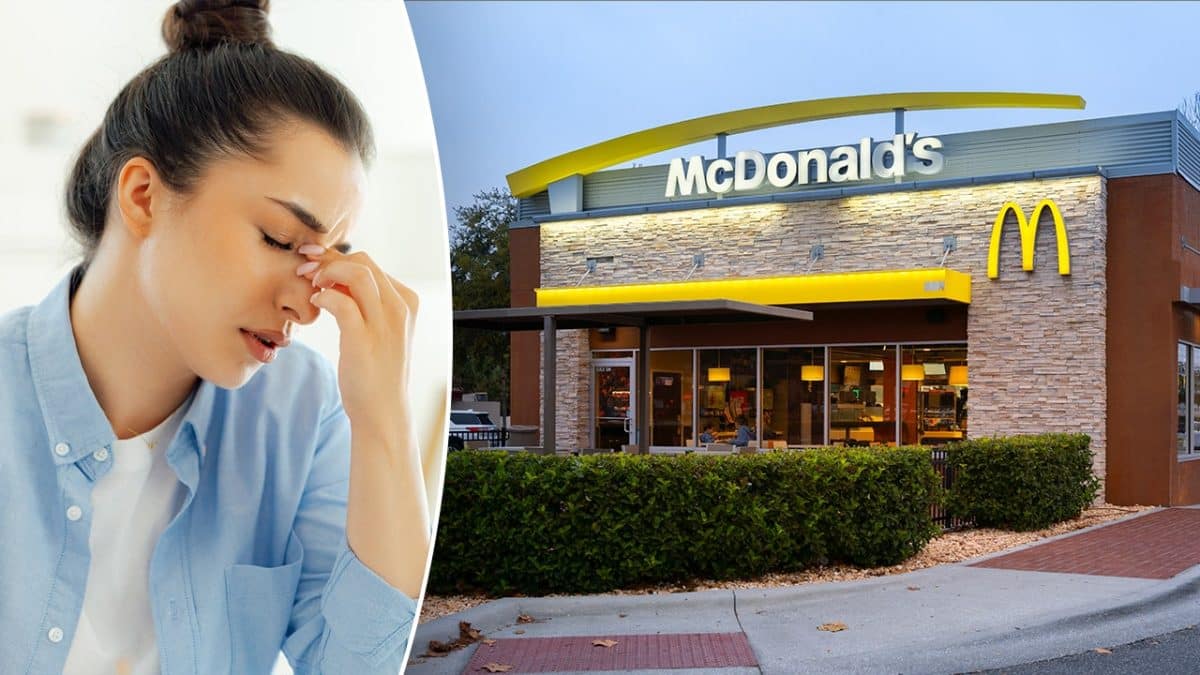
Videos circulating on TikTok show people sipping a full-size cola and eating fries at a fast-food drive-thru and claiming the combo stopped their migraine. Medical experts say the pairing can sometimes ease symptoms — but they warn it is not a reliable treatment and could even worsen headaches for some people.
Migraine is a neurological condition characterized by intense, often one-sided head pain and frequently accompanied by nausea and heightened sensitivity to light and sound. Attacks can last hours or days and disrupt normal activities.
Why some people report relief
Caramel, butterscotch, toffee: how their differences affect your desserts
McDonald’s rebrands Twitter to honor Bubba Wallace after his first NASCAR Cup win
Family physician Dr. Brintha Vasagar, who spoke with reporters about the trend, points to a few plausible mechanisms behind these stories. A standard cola provides caffeine, which in modest amounts can constrict blood vessels and temporarily blunt migraine pain for some sufferers. The drink’s carbonation may also settle queasy stomachs that often come with a migraine.
Meanwhile, a salty order of fries supplies quick carbohydrates and sodium, nutrients that can restore electrolytes when dehydration is a contributing factor. Vasagar also notes a non-biological effect: the emotional comfort of familiar, nostalgic food can alter how people perceive pain.
- Caffeine: Can relieve pain for some, but excessive use may lead to rebound headaches.
- Carbonation: Might ease nausea related to migraine.
- Sodium and carbs: Help correct electrolyte dips and calm upset stomachs in some cases.
- Psychological comfort: Familiar foods can provide a subjective sense of relief.
Short-term relief, not prevention
Vasagar stresses this is a symptom-management trick, not a preventive strategy. “It may soothe an attack in the moment,” she said, “but it won’t stop future migraines from occurring.”
That distinction matters because migraine triggers vary widely between individuals. For some patients, greasy food or a sugar-and-caffeine combination may provoke — rather than relieve — an episode.
What clinicians recommend instead
Dr. Tania Elliott, an internal medicine and allergy specialist in New York, suggests simpler, lower-risk first steps for someone trying to stop a migraine at home: focus on hydration, restore electrolytes and consider a small, controlled dose of caffeine from tea or matcha if you tolerate it. She argues this approach addresses common underlying contributors such as fluid loss, without introducing the potential harms of a heavy fast-food snack.
Key practical tips from clinicians:
- Drink water and electrolyte fluids before reaching for large portions of salty, fried food.
- Try a modest source of caffeine (tea or a small coffee) rather than high-sugar sodas.
- Avoid making any single remedy a daily habit — prevention usually requires a broader plan.
- Keep a headache diary to identify personal triggers and discuss patterns with a clinician.
Who should be cautious
People with cardiovascular risk factors, high blood pressure, or those prone to diet-triggered headaches should be careful about adding salt, sugar and large caffeine doses. Vasagar warns that the same combo that helps one person may aggravate another’s migraine.
Reporters reached out to McDonald’s for comment about the social-media trend. In the meantime, clinicians advise using comfort-food anecdotes as occasional, situational measures—not substitutes for proven migraine therapies or medical advice.
If migraines are frequent, severe or changing in pattern, seek evaluation from a healthcare professional to explore targeted, evidence-based treatments and prevention strategies.
Irish whiskey: approachable bottles new drinkers should try today
Fishtown restaurants ranked: must-visit spots locals are raving about