Show summary Hide summary
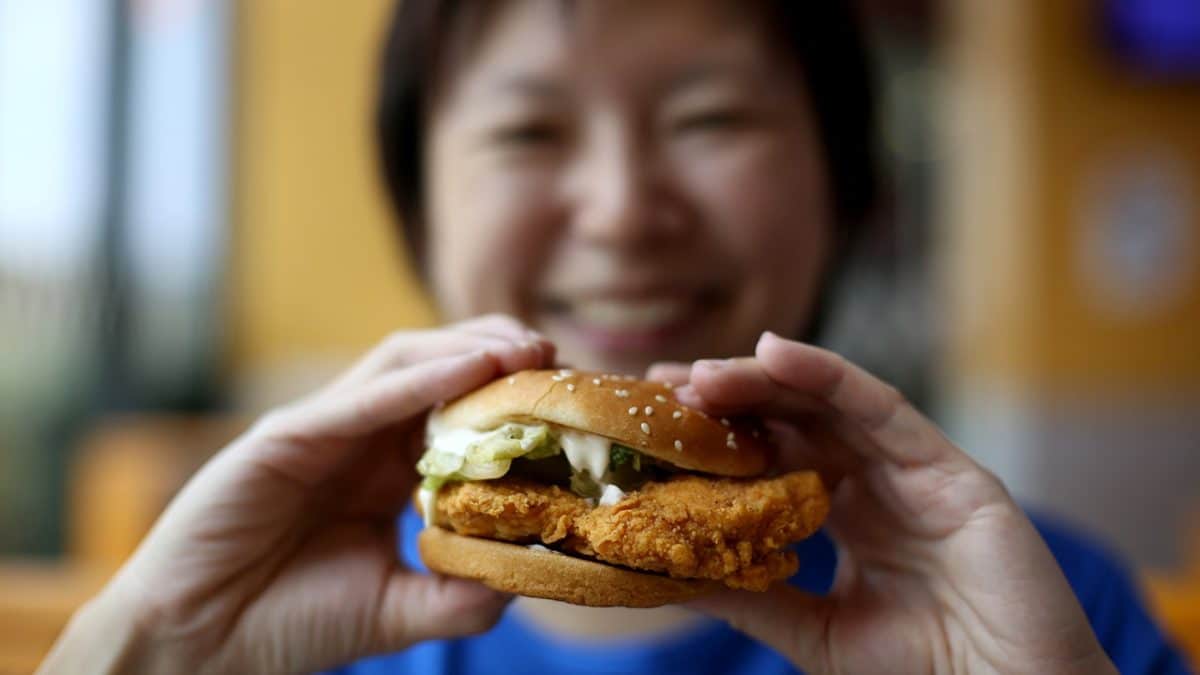
New data from food-delivery analytics shows a clear change in what Americans order: the chicken sandwich now tops the list of favorite burgers in more states than any single beef-based option. That shift, highlighted in a DoorDash release timed around National Hamburger Day, has ripple effects for restaurants, grocers and product developers as tastes continue to evolve.
DoorDash’s 2024 order data finds **chicken sandwiches** were the most-ordered burger in 17 states, including large markets such as California, Florida, Tennessee and Texas. Veggie-style burgers finished first in 13 states, while the classic hamburger and cheeseburger led in smaller clusters of states.
Cristen Milliner, DoorDash’s consumer trends lead, said the surge is rooted in both marketing and changing preferences. Social-media-driven “chicken sandwich moments” pushed awareness, and a broader interest in higher-protein or perceived-healthier options has sustained demand, she explained.
Caramel, butterscotch, toffee: how their differences affect your desserts
McDonald’s rebrands Twitter to honor Bubba Wallace after his first NASCAR Cup win
The numbers back that up: DoorDash’s 2025 Delivery Trends Report indicates 74% of Gen Z and 69% of millennials have ordered a restaurant item after seeing it go viral — a behavior that benefits highly shareable menu items like chicken sandwiches.
Why this matters now: rising beef costs, continued social-media influence and companies expanding chicken and plant-based menus mean more restaurants will promote poultry and alternative-protein burgers — a change consumers will feel at both restaurants and grocery aisles.
What the industry data shows
Independent food-intelligence firm Tastewise reported a substantial rise in chicken-burger consumption: roughly a 48% year-over-year increase and a roughly 3.1-fold increase since 2020. Tastewise CEO Alon Chen says these sandwiches have crossed from temporary craze to mainstream menu staple, appealing to both indulgence and wellness-minded diners.
Chen’s analysis breaks motivations down roughly into three buckets: indulgence (about 17%), wellness or perceived health benefits (14%) and pure taste (13%), highlighting why chicken appeals across different consumer priorities.
| Burger type | Number of states |
|---|---|
| Chicken sandwiches | 17 |
| Veggie burgers | 13 |
| Traditional hamburger | 10 |
| Turkey burgers | 6 |
| Cheeseburger | 4 |
Where each option leads
- Chicken — Top states include California, Florida, Tennessee and Texas; gains are driven by both fast-food innovations and premium chicken concepts.
- Veggie — Led in states such as Colorado, New York and Wisconsin, reflecting rising interest in plant-forward eating.
- Traditional hamburger — Favorites in places like Alaska and Hawaii, where classic beef remains popular.
- Cheeseburger — Most-ordered in Arizona, Iowa, Maryland and Michigan.
- Turkey burgers — Topped charts in six states, including Arkansas, Delaware and North Carolina.
Tastewise also flags growing consumer interest in plant-based ingredients: overall interest in meat-free options rose about 13% year over year, with specific ingredients such as lentils and quinoa seeing double-digit gains in some measures. That helps explain why veggie burgers are the top choice in many states rather than a niche preference.
For restaurant operators, the takeaway is twofold: menu flexibility matters, and marketing-driven virality can translate quickly into sales. For shoppers, the landscape is changing too — grocery aisles now offer more chicken-centric quick meals and a wider range of plant-based burger alternatives than a few years ago.
“Consumers today pick based on context — craving, health goals or social trends — rather than strictly on tradition,” Chen told industry reporters, summarizing the shift. The result is a more fluid market where chicken and plant-based options can coexist with — and sometimes outrank — classic beef burgers.
In practice, that means expect to see more limited-time chicken promotions, expanded plant-based menu entries, and product launches aimed at capturing both the indulgence and wellness audiences. For diners, the simple act of ordering a burger now tells a bigger story about how American tastes are changing.
Irish whiskey: approachable bottles new drinkers should try today
Fishtown restaurants ranked: must-visit spots locals are raving about