Show summary Hide summary
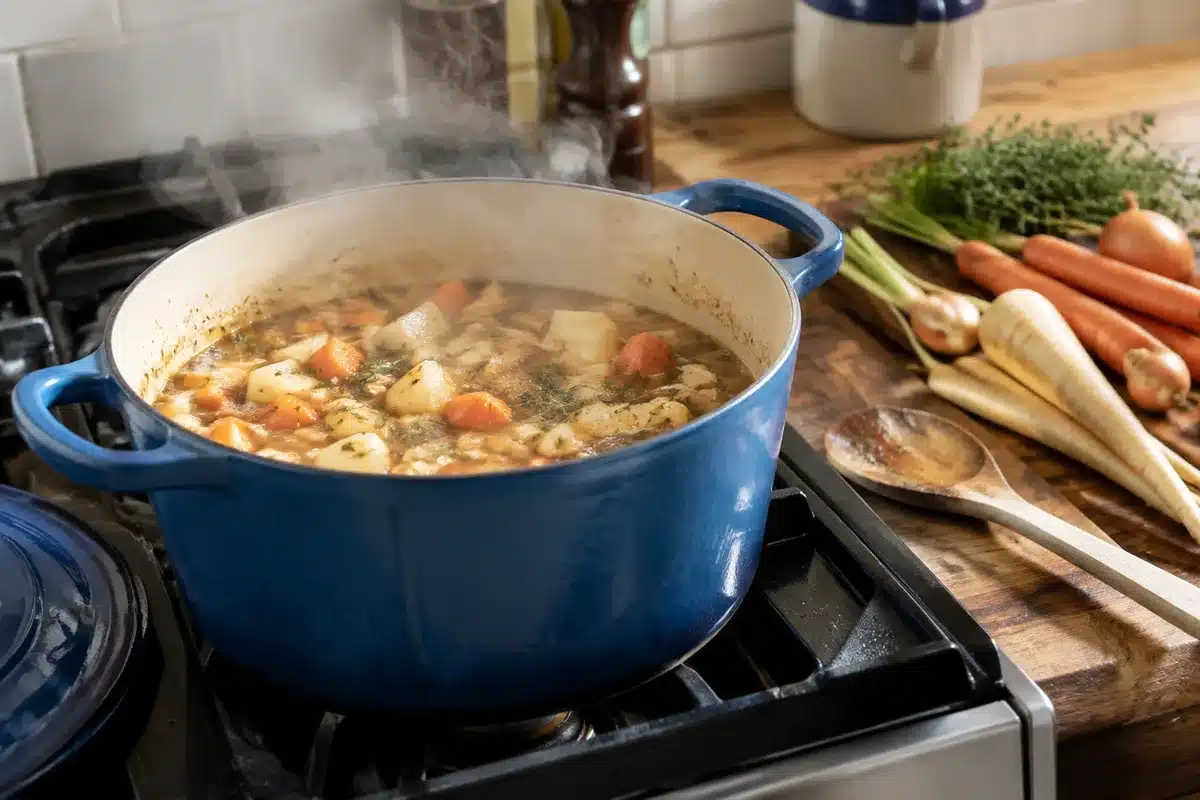
As the weather turns colder, reaching for a heavy pot can change dinner from a chore into the evening’s centerpiece. A well-used Dutch oven lets home cooks turn humble, cost-effective ingredients into deeply flavored, satisfying meals—often with minimal hands-on time.
Beyond nostalgia, the tool has practical advantages this season: it concentrates flavors, stretches protein, and can lower kitchen energy use by relying on slow, consistent heat. That combination matters now for anyone balancing time, budget, and the desire for comforting food.
Why a Dutch oven still matters
A cast-iron pot with a tight-fitting lid works on the stovetop and in the oven, which makes it ideal for several techniques—especially braise and stew-based cooking. Those methods turn inexpensive cuts and pantry staples into tender, complex dishes with a single long cook.
Chicago restaurants turn to local workwear brand for staff uniform overhaul
Hearty stews to warm chilly nights: 17 recipes from braised beef to chicken and beans

Two immediate benefits for readers: economical cooking (you can use tougher cuts or legumes) and fewer dirty dishes. The pot’s heavy lid traps steam and recirculates flavors, so a simple sear, a splash of liquid and a slow finish often deliver restaurant-quality results.
Practical tips before you begin
- Start hot, then slow: Sear meats or saute aromatics on medium-high to build flavor, then lower the heat and transfer to the oven if the recipe calls for it.
- Use the right model: Enamel-coated cast iron is easier to clean and forgiving; bare cast iron holds heat better and requires seasoning.
- Don’t over-stir: Let the pot do its work. Frequent stirring cools the contents and breaks down textures you want to preserve.
- Mind thermal shock: Avoid sudden temperature changes—don’t rinse a hot pot under cold water, and don’t use enamel on an open flame with sudden high heat.
- Stretch your groceries: Bulk up braises with root vegetables, beans or pulses to feed more people without much extra cost.
One-pot meal ideas that reward patience
Below are straightforward concepts that work for weeknights or weekend cooking. Times are approximate and depend on cut and oven calibration.
- Pork shoulder with white beans: Brown, add aromatics and stock, then roast at 300–325°F for 2.5–3 hours until fork-tender.
- Beef and root vegetable stew: Sear cubes of chuck, add red wine or stock and hearty roots; finished low and slow for deep flavor.
- Lentil and tomato ragù: Dry lentils simmer in tomato, herbs and a splash of vinegar—ready in under 90 minutes and good for leftovers.
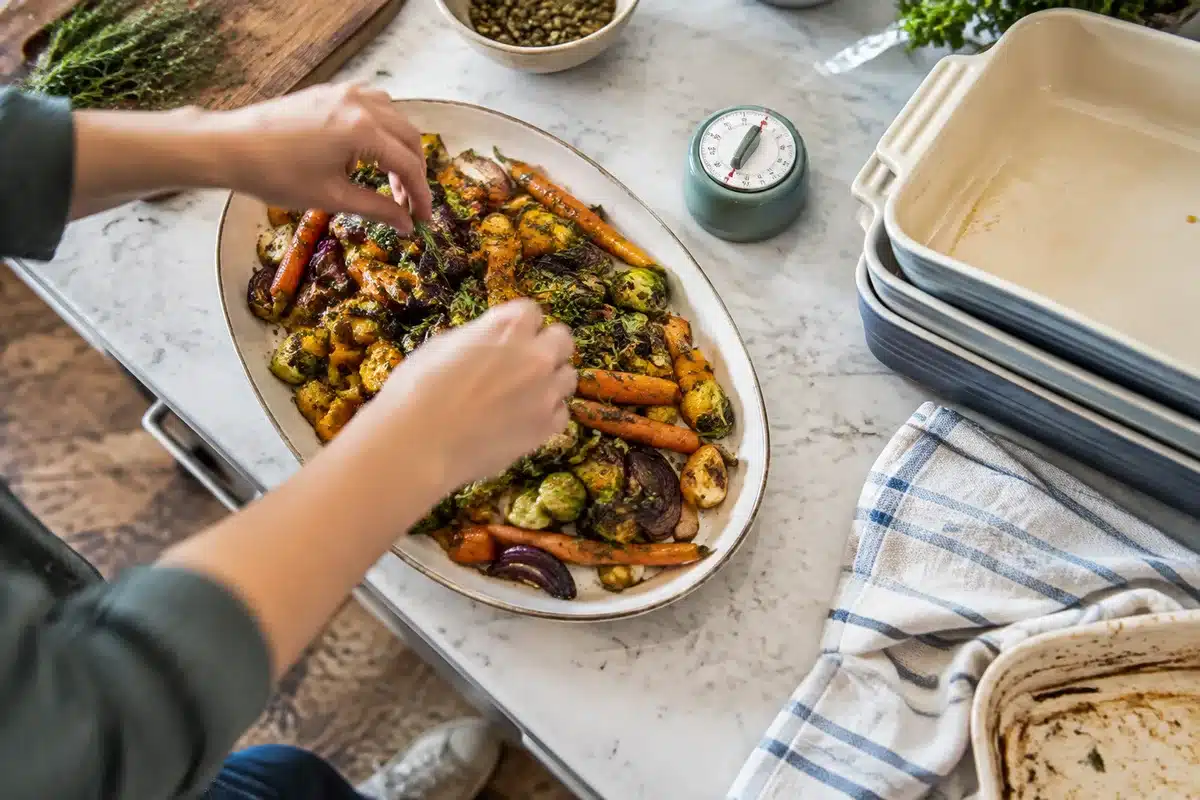
- Whole roast chicken: Sear to crisp skin, tuck vegetables around the bird and roast; the juices make an instant pan sauce.
Care and maintenance
Keeping your pot in good condition extends its lifespan and performance. For enamel surfaces, gentle scrubbers and warm water usually suffice; avoid metal scouring pads that can nick the coating. With raw cast iron, dry thoroughly and rub with a thin film of oil after cleaning to preserve seasoning and prevent rust.
Small repairs—rebuilding seasoning or re-glazing enamel—aren’t always necessary. Regular, simple maintenance will prevent most problems.
Finally, consider pairing slow-cooked mains with quick, bright sides: a simple salad, quick-sautéed greens, or crusty bread to mop up sauce keeps the meal balanced without adding much work.
Pulling out the Dutch oven isn’t just a seasonal ritual. It’s a practical way to maximize flavor, minimize waste, and convert inexpensive ingredients into meals people want to linger over—important gains whether you’re feeding a family, entertaining friends, or simply looking for reliable, comforting dinners this winter.
Free tacos at Taco Bell for COVID-19 shots: available in just one state
Cabernet Sauvignon fails value test: sommeliers say it’s not worth the price