Show summary Hide summary
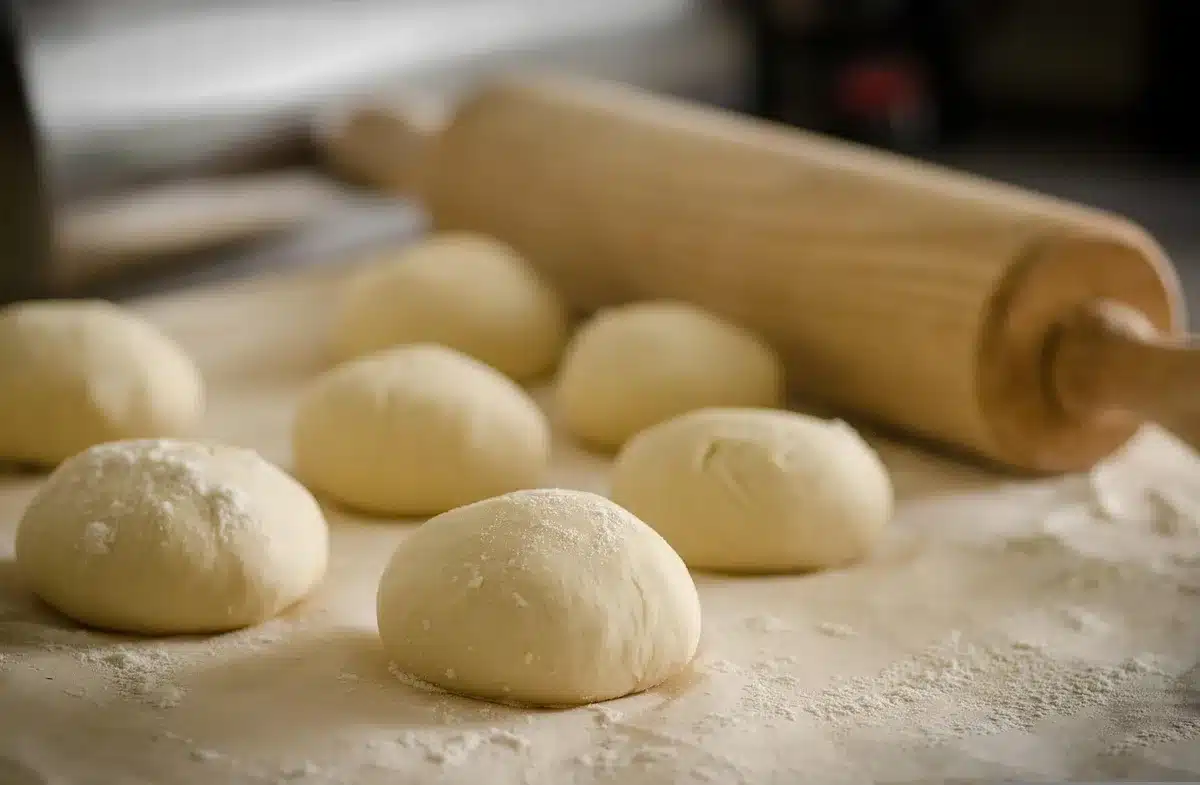
Whether you prefer a tidy round, a rustic slice, or a hand-formed scoop, the way you shape cookie dough has a big effect on texture, appearance, and how long the batch will last. With the cooler months prompting more home baking, mastering three simple shaping methods—scooping, rolling, and cutting—lets you tailor cookies to time, occasion, and appetite.
Why this matters today: shaping is an easy lever to pull if you want faster baking, cleaner presentation for guests, or dough that stores well for the week.
How shape changes the final cookie
San Francisco restaurants: new openings to try in November 2026
Beef braises surge as weekend comfort: 10 hearty, saucy recipes to try
At the most basic level, form influences surface area and thickness, which determine crisp edges, soft centers, and bake time. A cookie scooped with a spoon usually spreads and browns faster, producing a tender interior with crisper rims. Dough rolled into a log and sliced gives uniform rounds perfect for grab-and-go snacks. Cut cookies, chilled and stamped, hold sharp edges and are ideal when presentation counts.

Don’t overlook temperature: colder dough tends to keep shape in the oven, while warmer dough spreads more. That’s why many recipes recommend a brief chill for cut and rolled cookies but not always for scooped ones.
Three shaping methods, and when to use them
Choose a technique based on how much hands-on time you have, the look you want, and storage plans.
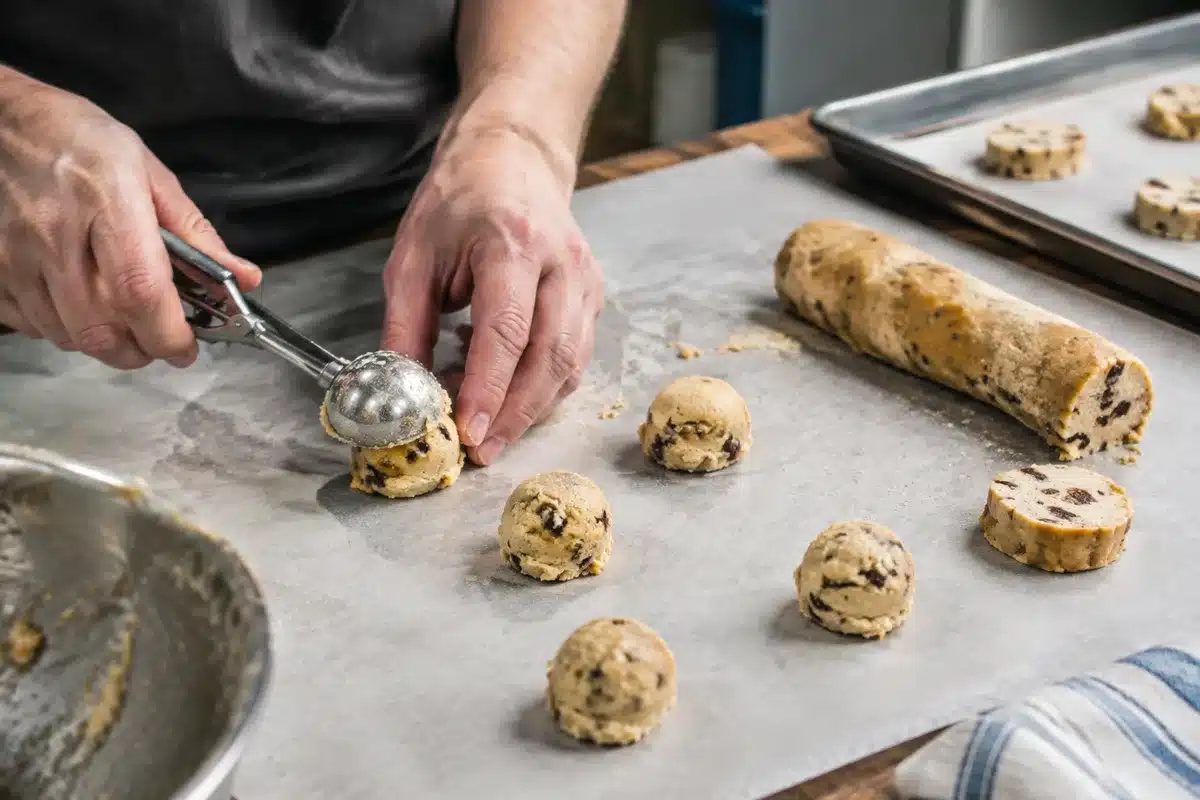
- Scooped: Fastest option. Use a cookie scoop or spoon for rustic, chewy cookies that are ready in a single session. Best for casual baking and when you want variation across the batch.
- Rolled and sliced: Shape into a log and refrigerate. Slice as needed for fresh rounds that bake evenly—great for portion control and make-ahead convenience.
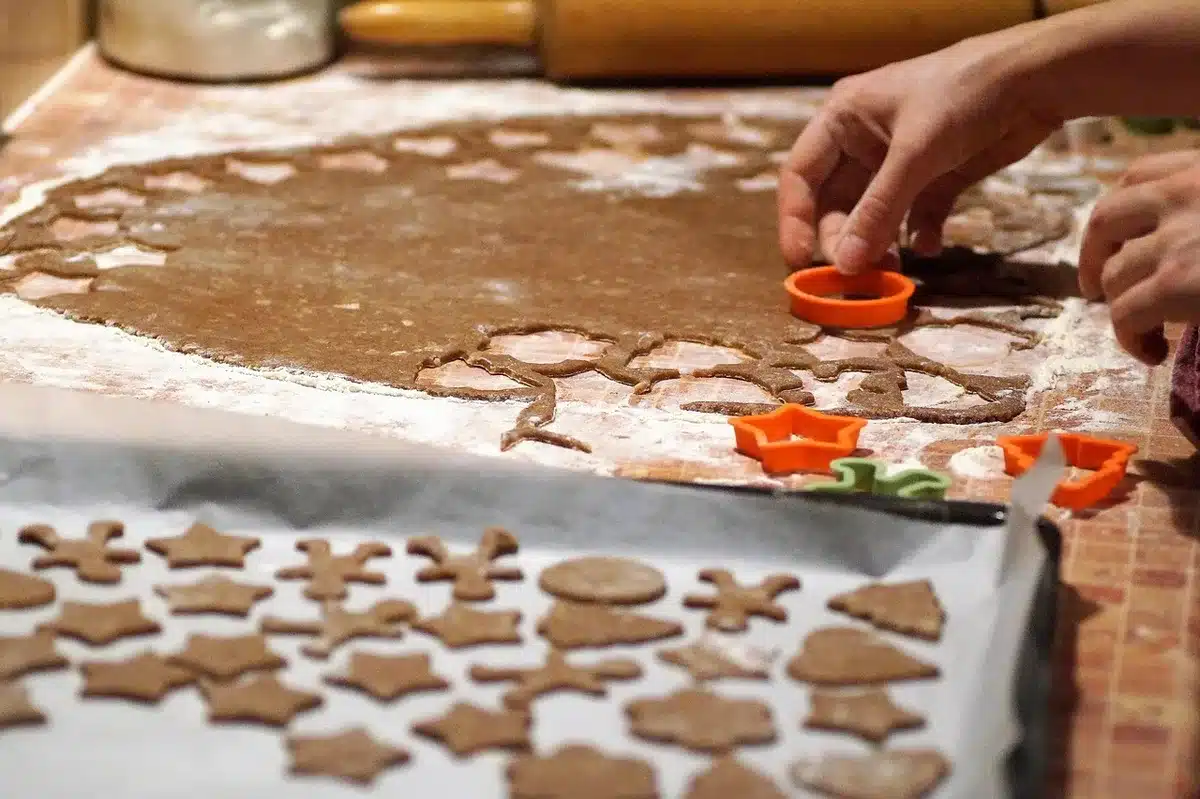
- Cut and stamped: For a neat, uniform presentation. Roll between sheets of parchment to the same thickness each time, then chill before cutting to keep crisp edges.
Baking and timing: practical guidance
Oven temperature and minutes in the oven will shift with size and shape. As a rule of thumb, smaller scooped cookies bake faster than thicker, chilled slices.
Typical guidelines to adapt to your oven:
- Scooped (1–1.5 tablespoons): 9–12 minutes at 350°F (175°C).
- Rolled-and-sliced (about 1/3–1/2 inch thick): 10–14 minutes at 350°F (175°C).
- Cut and stamped (3/8–1/2 inch): 8–12 minutes at 350°F (175°C), depending on size.
Watch for visual cues rather than the clock alone. Edges should be lightly colored and centers set but still soft; carryover heat will finish the bake while cookies cool on the sheet.
Storage, make-ahead and small adjustments
Shaping affects how well dough and finished cookies store. Rolled logs are the most freezer-friendly: wrap tightly and freeze for up to three months, then slice and bake from frozen with a minute or two added to baking time. Scooped dough can be portioned onto trays and frozen before transferring to bags so you can bake single batches on demand. Baked cookies last up to five days in an airtight container at room temperature; adding a slice of bread helps preserve softness.
If you want a chewier bite, increase brown sugar or add an extra egg yolk. For crisper cookies, flatten scoops slightly before baking and reduce thickness for rolled or cut shapes. Substituting part of the flour with oats or almond flour changes texture and flavor—try small test batches to dial in results.
Quick checklist before you bake
- Decide on the shaping method before starting to assemble dough.
- Chill dough for cut or rolled cookies to maintain edges.
- Use consistent portion sizes for even baking.
- Cool on the sheet for a few minutes, then move to a rack so bottoms don’t steam.
Small choices at the shaping stage deliver meaningful differences in the oven and on the plate. Whether you’re aiming for an almond-thin crisp, a classic chewy center, or a gift-ready biscuit, picking the right method makes the process simpler and the results more reliable—so you can spend less time worrying about technique and more time enjoying the baking season.
Domino’s launches watermelon pizza test: TikTok creator challenges the viral recipe
Most popular beer in US: 101-year-old Mexican lager tops sales nationwide