
Show summary Hide summary
Warm kitchens and soft butter are the quiet enemies of a flaky crust. With summer temperatures rising and more people baking at home, knowing how to keep your pastry cold is no longer a nice-to-have—it’s the difference between a tender, layered crust and a greasy, tough one.
Why temperature control matters now
Too-warm dough develops excess gluten and melts the fat before the oven can create steam pockets that make a crust flaky. That can leave pies flat, heavy, and prone to shrinking. Professional bakers focus on managing temperature and handling, not gimmicks—home cooks should do the same to get reliable results every time.
Caramel, butterscotch, toffee: how their differences affect your desserts
McDonald’s rebrands Twitter to honor Bubba Wallace after his first NASCAR Cup win
Practical techniques that work better than quick fixes
Instead of relying on rock-hard butter or a shot of ice water, try methods that control the whole environment and the way you work. These approaches protect the structure of the dough while keeping your process efficient.
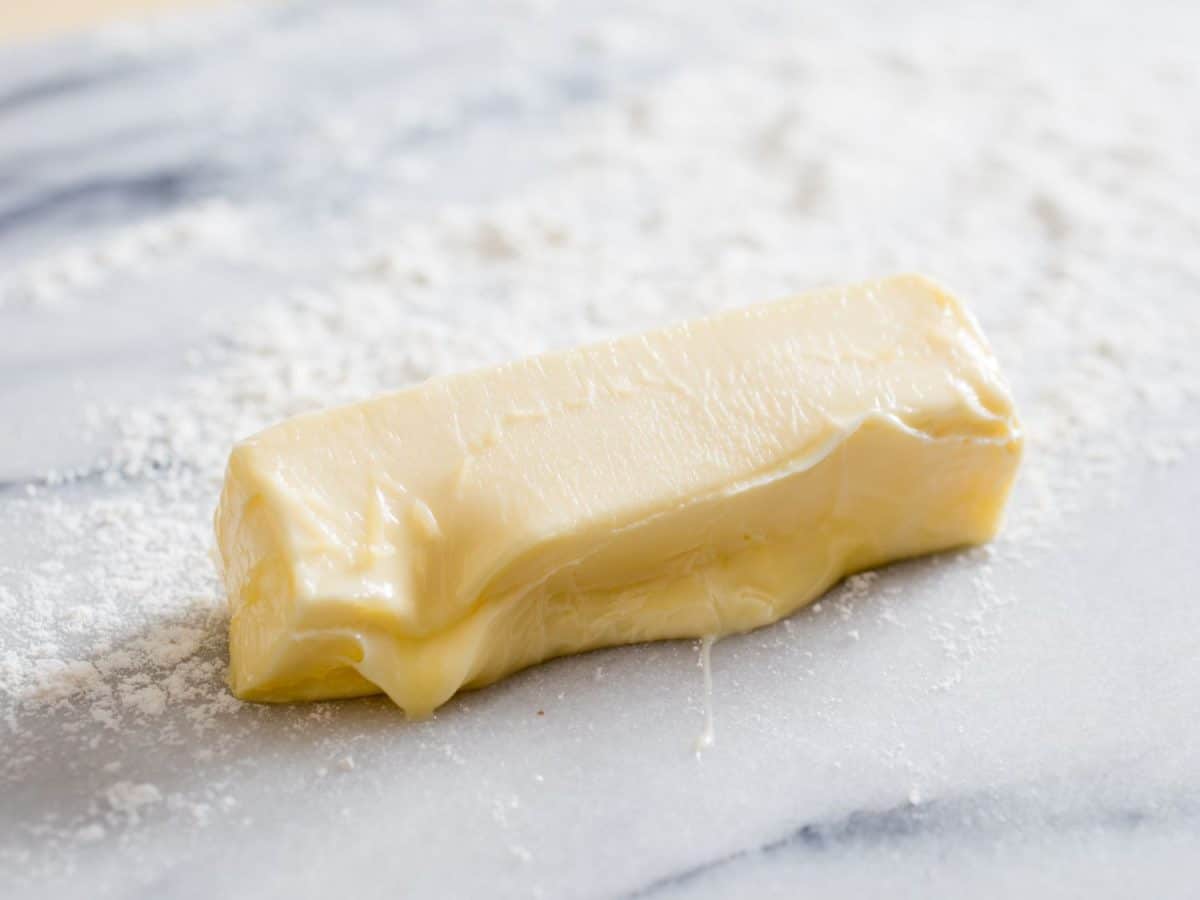
Chill everything. Keep butter, bowls, and the working surface cold. A short stay in the freezer is fine for butter, but you want it firm to the touch, not brittle. Stainless-steel or marble slabs retain cold and help the fat stay solid longer while you work.
Minimize handling. The more you knead and press the dough, the more gluten develops. Use quick, decisive motions: press, fold, and turn rather than long, repetitive strokes. If your hands heat quickly, use a bench scraper to move dough and shape disks without prolonged contact.
Tools and timing that save a crust
Choose the right equipment and schedule short, strategic rests. Here’s a straightforward checklist you can use mid-recipe:
- Pre-chill metal bowls and pans for at least 15 minutes.
- Cube cold butter and keep it refrigerated until the moment you cut it into the flour.
- Pulsing in a food processor or grating butter into the flour shortens working time and keeps fat cold.
- Chill the dough for at least 30 minutes after shaping; overnight is often better for flavor and structure.
- Work in stages: make dough, chill, roll once, chill again before baking.
When to use a food processor—and when not to
A food processor is a fast way to distribute fat through flour without warming it up from hand contact. Pulse short bursts and stop when the mixture is still granular with pea-sized fat pieces. Over-processing creates a paste-like mass that loses flakiness.
For those who prefer a hands-on approach, a pastry cutter or two knives works well—just keep movements brisk and the butter cold. If your kitchen is hot, pause and return the mixing bowl to the fridge between steps.
Simple recipe adjustments that help
Small changes in formulas can make dough more forgiving. Increasing the fat slightly or substituting part of the butter with cold vegetable shortening can reduce sensitivity to temperature. Another option is to use a higher oven start—bake at a hotter initial temperature for 15 minutes to “set” the crust quickly, then lower the heat to finish baking.
| Method | What it does | When to use |
|---|---|---|
| Chilled equipment | Keeps butter from warming during mixing | Reliable for any season, especially warm kitchens |
| Food processor pulses | Fast distribution of fat with minimal heat | When you want speed and consistency |
| Short rests between steps | Allows fat to firm up and gluten to relax | Essential for multi-step doughs and laminations |
Common mistakes to avoid
Don’t overwork the dough to try to “fix” crumbs—gentle folding is usually enough. Avoid using butter straight from the freezer if it’s rock-hard; it can break into uneven shards and won’t blend into crumbs properly. Finally, resist the urge to skip refrigeration: cold rest is where texture and flavor develop.
Controlling temperature is less about a single trick and more about a pattern of choices—cold tools, quick handling, measured rests, and modest recipe tweaks. Adopt those habits and your next pie will show the difference: a light, layered crust that holds its shape and bakes to a golden, flaky finish.
Irish whiskey: approachable bottles new drinkers should try today
Fishtown restaurants ranked: must-visit spots locals are raving about










