Show summary Hide summary
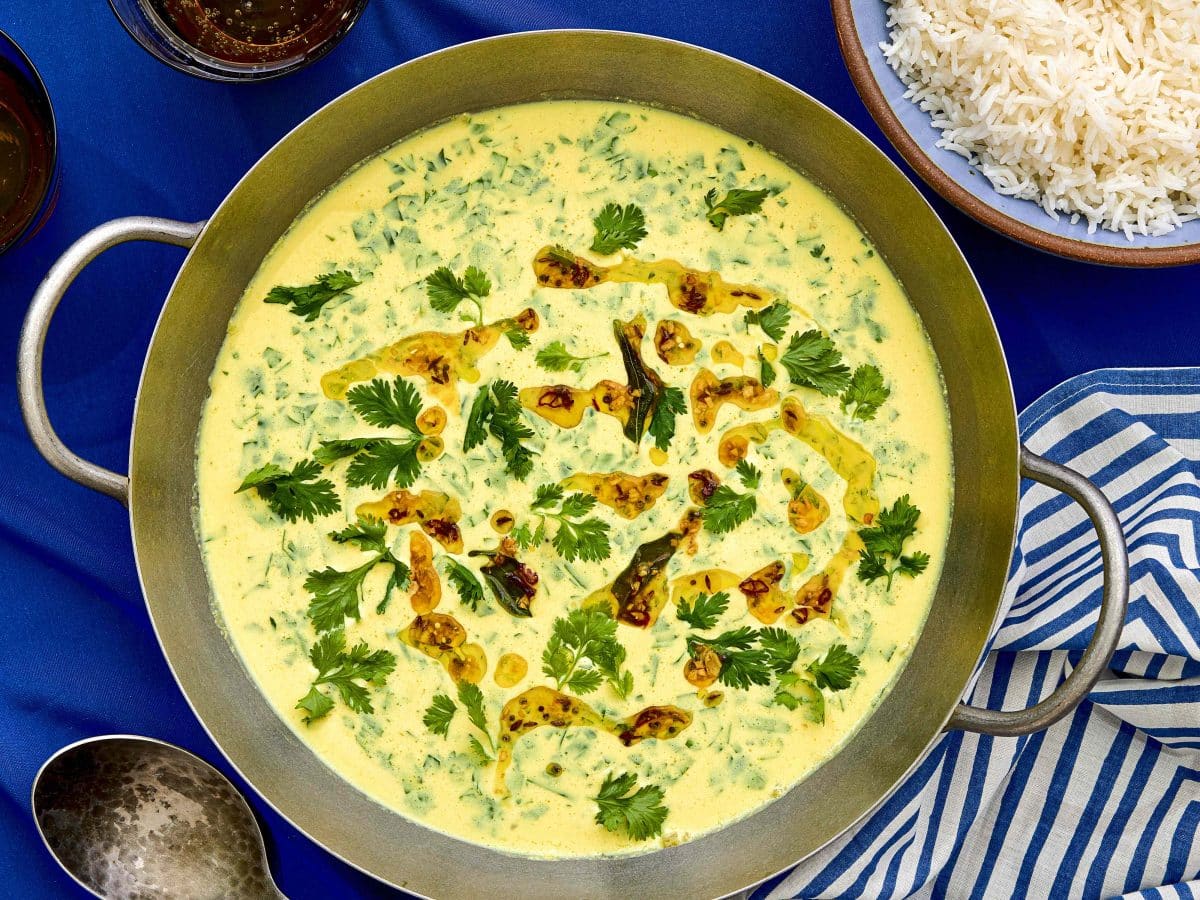
Kadhi — a tangy, silky stew built from yogurt and chickpea flour — is one of those dishes that marks the heartbeat of many Indian kitchens but rarely appears on restaurant menus. As home cooking regains cultural and culinary importance, this modest comfort food is getting renewed attention for its simplicity, regional variety, and relevance to everyday meals.
At first bite, kadhi is straightforward: a sour-smooth base tempered with spices and finished with a fragrant oil seasoning. Yet beneath that simplicity are regional customs, quick weekday techniques, and a small set of practical challenges that explain why it remains mostly a home specialty rather than a restaurant staple.
Why kadhi is mostly a house dish
Caramel, butterscotch, toffee: how their differences affect your desserts
McDonald’s rebrands Twitter to honor Bubba Wallace after his first NASCAR Cup win
Several practical reasons keep kadhi off most commercial menus. The dish depends on a delicate balance of heat and acidity: overcooking or sudden temperature changes can cause the yogurt to separate. That unpredictability makes large-batch, restaurant-style production tricky.
Other factors matter, too: kadhi is inexpensive to make and often served with plain rice or rotis, which limits profit margins; the preparation requires constant attention (whisking, slow simmering, tempering); and many restaurants favor items that travel and reheat well—qualities kadhi doesn’t naturally have.
- Heat sensitivity: yogurt curdles if handled incorrectly during large-scale cooking.
- Low markup: inexpensive ingredients yield modest returns in a commercial setting.
- Texture demands: the characteristic silky body comes from steady cooking that resists mass production.
- Regional familiarity: kadhi’s appeal is strongest in home and family contexts rather than broad, urban dining scenes.
What kadhi looks and tastes like
The base is a smooth mix of plain yogurt and gram flour (besan), whisked into a runoff-free consistency and simmered until the raw flour taste disappears. The flavor profile ranges from gently sour to tangy, depending on how much yogurt or tamarind is used, and the finishing tempering of mustard seeds, curry leaves, dried red chilies, and asafoetida adds the dish’s signature fragrance.
Texturally it can be paper-thin and brothy or thick and luscious; sometimes it includes fried gram-flour dumplings called pakoras or seasonal vegetables. That variability is part of why families guard their own versions.
| Region | Typical feature | Common accompaniment |
|---|---|---|
| Gujarati | Milder, often slightly sweet and thin | Steamed rice or khichdi |
| Punjabi | Thicker, frequently served with pakoras | Plain rice or roti |
| Sindhi | Vegetable-forward, often tangier and may use tamarind instead of yogurt | Rice or flatbreads |
| Rajasthani | Robust spices, sometimes drier consistency | Bajra rotla or millet flatbreads |
Quick tips for home cooks
For anyone inclined to try making kadhi at home, small technique adjustments make a big difference.
- Whisk yogurt until smooth before combining with gram flour; add water gradually to avoid lumps.
- Cook the mixture long enough to remove the raw flour flavor—low and steady heat is best.
- Temper spices in hot oil or ghee and pour that sizzling seasoning into the pot at the end to lift the aroma.
- If you want pakoras, make them small and add just before serving so they keep some texture.
Because kadhi relies on pantry staples and modest hands-on time, it’s an accessible dish for weeknights and meal prep—provided you plan for its gentle cooking needs.
For readers following home-cooking trends or building reliable weeknight menus, kadhi matters because it illustrates how culinary comfort and practicality intersect: a dish low on cost but high on cultural memory and flavor. As more people cook at home again, kadhi is likely to move from a quiet family table into wider circulation—if not on restaurant menus, then on home dining tables and social feeds.
Irish whiskey: approachable bottles new drinkers should try today
Fishtown restaurants ranked: must-visit spots locals are raving about