
Show summary Hide summary
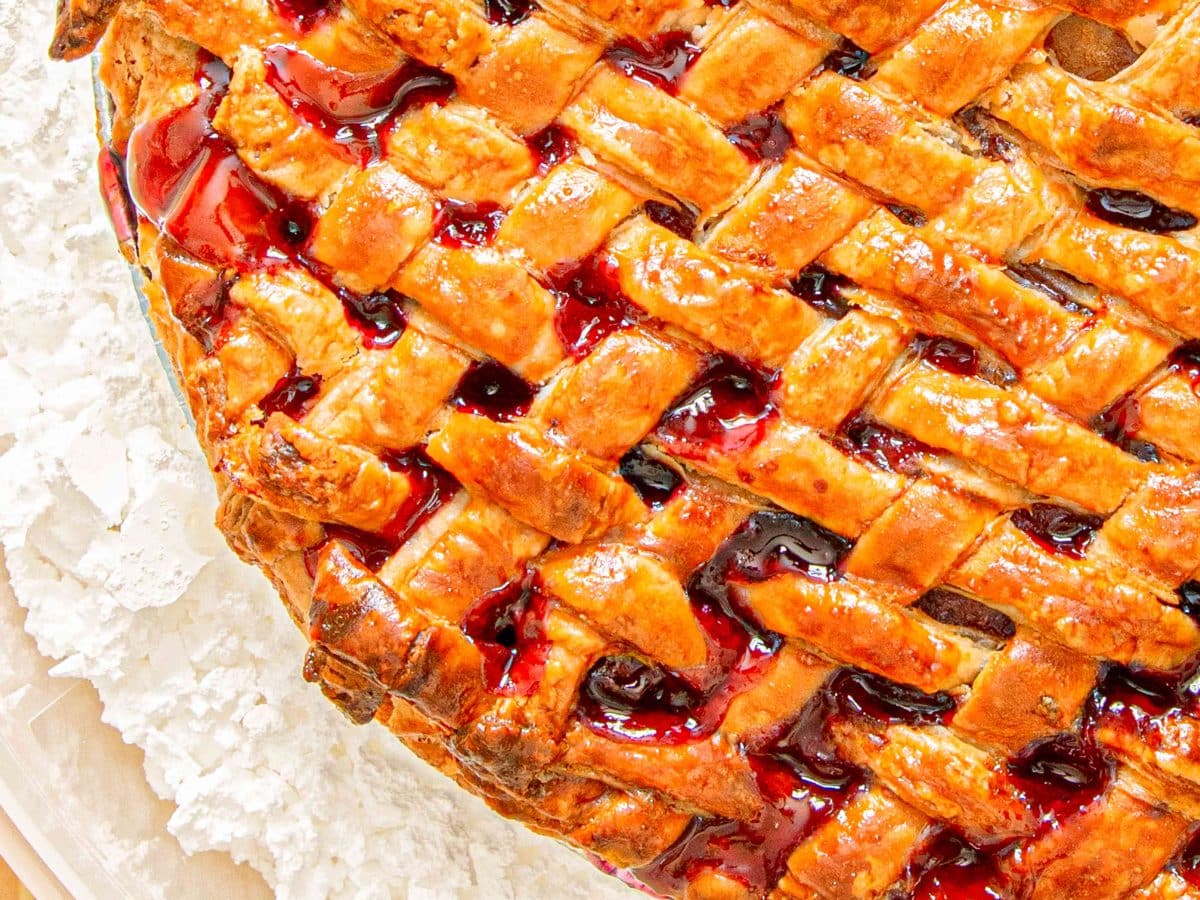
If your goal is a flaky, crisp pie crust that survives transport and leftovers, a surprising pantry item can help: Epsom salt. Used carefully as a moisture-absorbing agent, it can reduce sogginess without touching the food — but there are important safety and technique details every home baker should know.
Why this matters now: more people are shipping baked goods, buying larger takeout orders, or prepping desserts ahead of time. Humidity and trapped steam are the main enemies of a crisp crust, and controlling moisture in storage can preserve texture and appearance for longer.
How Epsom salt works — and what it can realistically do
Caramel, butterscotch, toffee: how their differences affect your desserts
McDonald’s rebrands Twitter to honor Bubba Wallace after his first NASCAR Cup win
Epsom salt (magnesium sulfate) is mildly hygroscopic, meaning it attracts and holds moisture from the air. Placed in the same sealed container as a pie — without direct contact — it can reduce relative humidity and slow the transfer of steam from filling to crust.
That said, this is not a miracle cure. Expect modest benefits: a firmer crust for leftovers and during short-term transport (hours to a day or two, depending on filling and temperature). For long-term preservation or safety concerns, refrigeration or freezing remain the appropriate methods.
Safe, practical steps for using Epsom salt with baked pies
- Keep it separate: never sprinkle Epsom salt on food. Put a small amount in an open jar, bowl, or a breathable sachet (cheesecloth or a paper pouch) and place that beside the pie inside a larger container.
- Use an airtight outer container: a sealed box, cake carrier, or large plastic container helps the salt control the microclimate around the pie.
- Monitor and replace: Epsom salt absorbs moisture until saturated. Replace it after 24–48 hours if you need to maintain dryness, or whenever it clumps noticeably.
- Label clearly: mark containers so others don’t mistake the salt for an edible ingredient. Keep away from children and pets.
- Don’t use near very wet fillings: pies with high-moisture fillings (custard, fresh fruit with lots of juice) will still release enough steam to soften crusts despite desiccants; refrigeration is the better choice.
When to use Epsom salt — and when to choose another option
Good candidates: dry-topped pies (crumb or lattice), savory hand pies, and short-term transport where refrigeration isn’t feasible. Not ideal for warm pies you plan to reheat immediately, or for very wet fruit pies stored for several days.
Alternatives to consider: silica gel packets are designed specifically for moisture control and are food-safe when used outside the food; disposable desiccant packets are available for food packaging. For most home cooks, simple tactics — refrigeration for perishable fillings, venting containers after cooling, and storing uncovered in a cool, dry place for short periods — remain the safest options.
Quick reference: do’s and don’ts
- Do: place Epsom salt in a separate vessel inside an airtight container.
- Do: refrigerate pies with perishable fillings; use desiccants only for texture control, not food safety.
- Don’t: let Epsom salt contact the pie or any utensils used for serving.
- Don’t: rely on Epsom salt for multi-day preservation of fresh fillings.
Bottom line: when used carefully and kept separate from food, Epsom salt can be a low-cost, temporary fix to keep crusts crisper during short-term storage or transport. For longer storage or anything involving food safety, stick with refrigeration, freezing, or purpose-made desiccants and moisture-control products.
Irish whiskey: approachable bottles new drinkers should try today
Fishtown restaurants ranked: must-visit spots locals are raving about










