Show summary Hide summary
Bright, bitter and deceptively simple, the Paloma has surged from Mexican cantinas into global cocktail menus — and for good reason: it’s easy to make at home and refreshingly different from the ubiquitous margarita. If you want a drink that hinges on citrus clarity rather than sweetness, understanding what a proper Paloma should taste like matters right now as warmer months and outdoor gatherings return.
The core impression is unmistakable: grapefruit leads the conversation, with a brisk tartness and a slight bitter edge. That citrus profile is tempered by the vegetal, slightly grassy character of the tequila, producing a drink that should feel more dry than sugary. Texture comes from the bubbles — whether from pre‑made grapefruit soda or soda water — and a small amount of salt or lime sharpens the flavors without masking them.
Flavor checklist: what a Paloma should deliver
Caramel, butterscotch, toffee: how their differences affect your desserts
McDonald’s rebrands Twitter to honor Bubba Wallace after his first NASCAR Cup win
Think of the Paloma as a balance of four elements: bright citrus, restrained sweetness, soft bitterness and tequila’s agave backbone. When those pieces align, the result is a crisp, quenching cocktail that never overwhelms the palate.
| Component | Typical effect | How to adjust |
|---|---|---|
| Grapefruit | Dominant citrus note — tart with a touch of bitterness | Use fresh juice for nuance; soda for fizz and sweetness |
| Tequila | Provides vegetal, agave-driven backbone | Choose blanco for clarity; reposado for warmth |
| Sweetness | Should be restrained to keep the cocktail dry | Add a splash of agave or syrup sparingly if needed |
| Acidity & salt | Lifts and sharpens flavors | More lime or a pinch of salt/Tajín if too sweet |
What bartenders use — and why it matters
In a drink with so few components every choice shows. Most bartenders default to a clean, unaged blanco tequila so the grapefruit remains the focal point. Swap in a reposado and the cocktail gains oak-driven warmth and a golden hue — useful in colder months or for a richer flavor profile.
On the mixer side, pre‑bottled grapefruit sodas (Jarritos is a common go‑to in many bars) give you consistent fizz and sweetness. Using fresh grapefruit juice with soda water produces a less sweet, more textured drink that lets the fruit’s natural bitterness come through; in that case a touch of agave or simple syrup often helps round the finish.
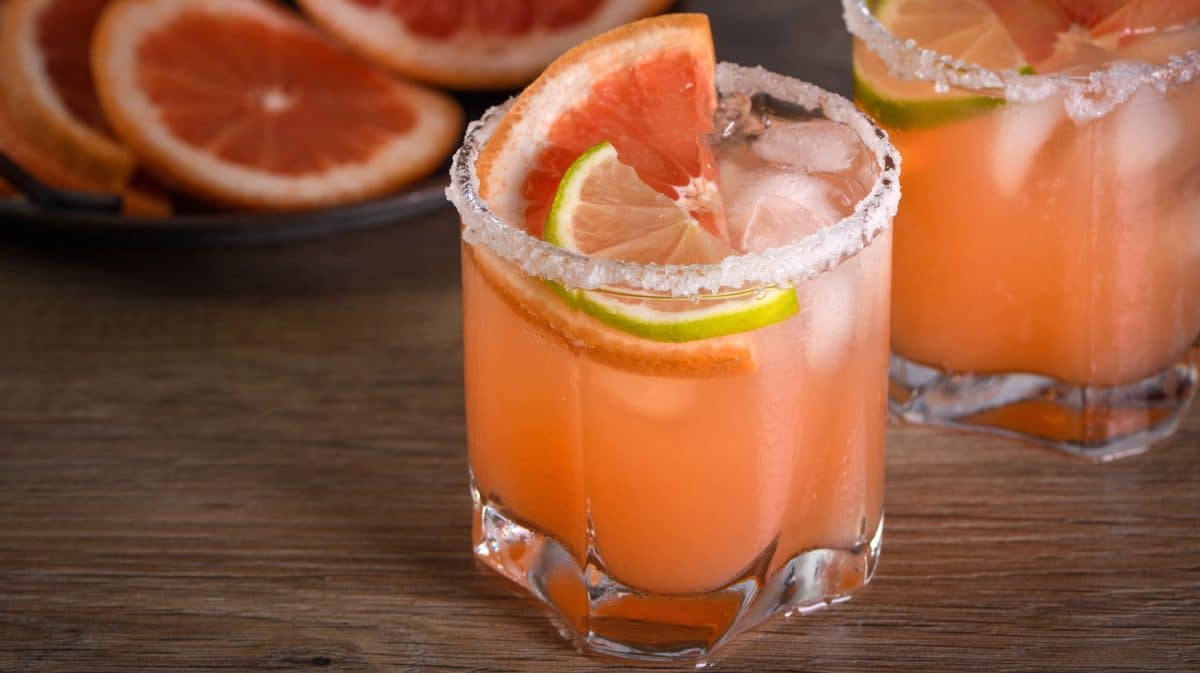
The typical home recipe is straightforward: 2 oz tequila, about 1/2 oz lime juice, a pinch of salt, then top with grapefruit soda or a mix of grapefruit juice and soda water. Build in a Collins or highball glass over ice, stir gently, and garnish with a lime or grapefruit wheel.
- If the cocktail tastes too sweet: squeeze in extra lime or add a tiny pinch of salt.
- If it feels too alcoholic: let the ice melt a little — gentle dilution softens the edges.
- For herbal complexity: bruise a sprig of rosemary or thyme and add it to the glass.
- Rimming with salt or Tajín is optional — it amplifies contrast but is not required for an authentic Paloma.
Beyond the mechanics, the Paloma’s appeal is practical: it’s quick to assemble, scales easily for a crowd, and adapts to different palates. Bars leaning into fresher, less sugary cocktails are keeping it on menus, while home mixologists appreciate that small tweaks — juice vs. soda, blanco vs. reposado, a splash more lime — let them fine‑tune the drink to personal taste.
In short, a proper Paloma should read as grapefruit‑forward, mildly bitter, and more dry than sweet, with tequila’s agave character providing balance. Mastering that balance is what separates a merely pleasant mixed drink from a cocktail that feels purposeful and refreshing.
Irish whiskey: approachable bottles new drinkers should try today
Fishtown restaurants ranked: must-visit spots locals are raving about