Show summary Hide summary
A green twist on a modern classic is gaining steam: the matchatini — a cocktail that swaps espresso for powdered green tea. With spring approaching and bars refreshing their menus, this tea-forward version offers a lighter, herbaceous alternative that matters for anyone rethinking coffee-forward evening drinks.
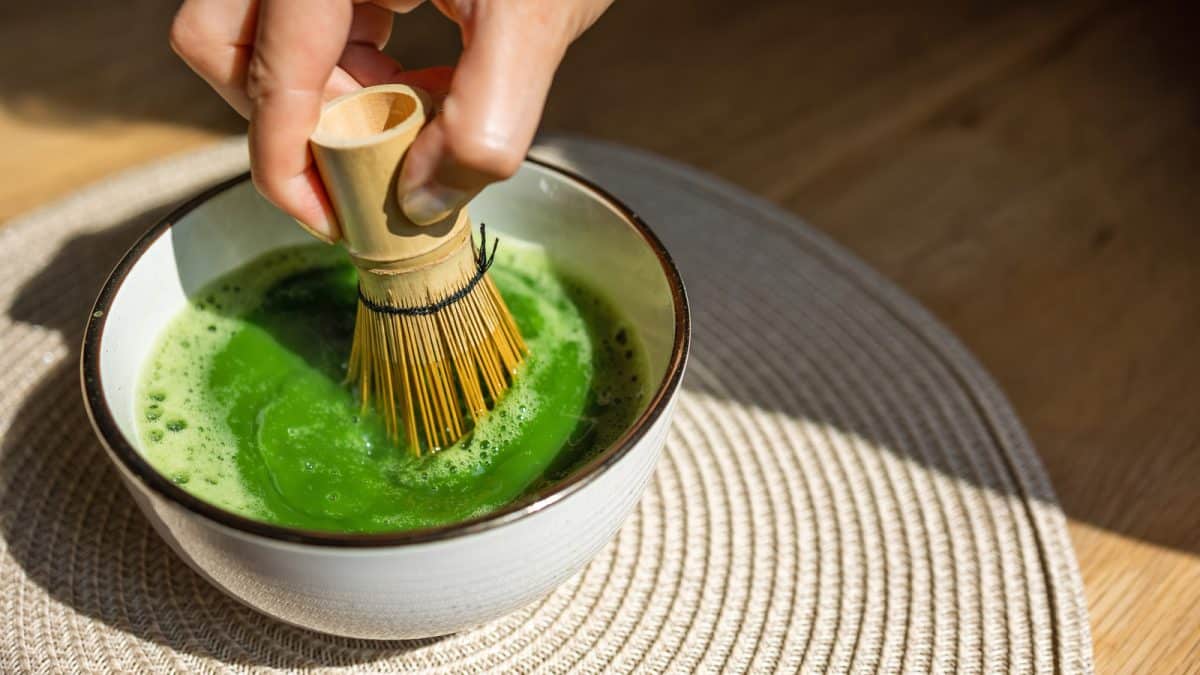
The matchatini replaces espresso with matcha, a finely ground green tea known for its grassy, slightly sweet profile. Instead of pulling a shot, bartenders bloom the powder with water using a small whisk, then combine that paste with spirits and a balancing liqueur before shaking with ice. The result is vivid in color and softer in bitterness than an espresso martini, appealing to drinkers who prefer vegetal, aromatic flavors.
What goes into a matchatini — and why ingredient choice matters
Because the recipe is compact, each element shapes the final drink. Start with a quality powder: ceremonial-grade matcha delivers the clean, nuanced green-tea notes you want. The base spirit should be unobtrusive so the tea remains central; vodka is the obvious choice, but gin and other spirits can introduce interesting aromatic layers.
Caramel, butterscotch, toffee: how their differences affect your desserts
McDonald’s rebrands Twitter to honor Bubba Wallace after his first NASCAR Cup win
For texture and sweetness, bartenders often reach for a liqueur or a small amount of milk (dairy or plant-based). A light dusting of matcha on the foam finishes the glass and reinforces the visual appeal. If you add egg white, it will create a silkier mouthfeel and a frothy cap — a stylistic touch that lifts the experience without changing flavors dramatically.
Practical tips for a better matchatini
- Use proper matcha: choose a higher-grade powder labeled ceremonial for brighter flavor and less astringency.
- Bloom first: whisk matcha with a little warm water to dissolve clumps and release aroma before adding spirits.
- Pick a subtle base spirit: vodka keeps the tea front-and-center; try gin only if you want botanical notes to play a supporting role.
- Balance sweetness carefully: light syrups or neutral liqueurs let matcha sing; richer options will push the drink toward dessert territory.
- Consider texture: an egg white or aquafaba gives a creamy head, while a quick shake and fine strainer keeps the drink crisp.
- Mind the caffeine: matcha contains stimulants—combine thoughtfully with alcohol and pace consumption.
| Ingredient | Flavor effect | Best use |
|---|---|---|
| Vodka | Neutral, clean | Classic base to showcase matcha |
| Gin | Herbal, floral | When you want a botanical lift |
| White chocolate liqueur | Sweet, creamy | Dessert-style, softens matcha’s edges |
| Amaretto | Nutty, almond | Adds warmth and complexity |
| Triple sec | Citrus brightness | For a livelier finish |
| Milk / plant milk | Creamy, round | Smooths texture without extra sweetness |
Matchatinis work well as an early-evening aperitif or a lighter happy-hour option. Pair them with small bites that echo their vegetal character — think cucumber canapés, mild cheeses, or almond-based nibbles. Because matcha’s flavor range is broad, you can tailor the drink toward citrus and brightness, nutty depth, or dessert-like creaminess depending on the liqueur you choose.
As the trend moves from specialty cafés to cocktail menus, experimenting at home is straightforward: start simple, prioritize a good powder and a gentle base spirit, and tweak sweetness or texture to taste. The matchatini isn’t a replacement for the espresso martini so much as an alternate path — one that highlights tea’s green, aromatic profile and offers a refreshing option for seasonal evenings.
Irish whiskey: approachable bottles new drinkers should try today
Fishtown restaurants ranked: must-visit spots locals are raving about