
Show summary Hide summary
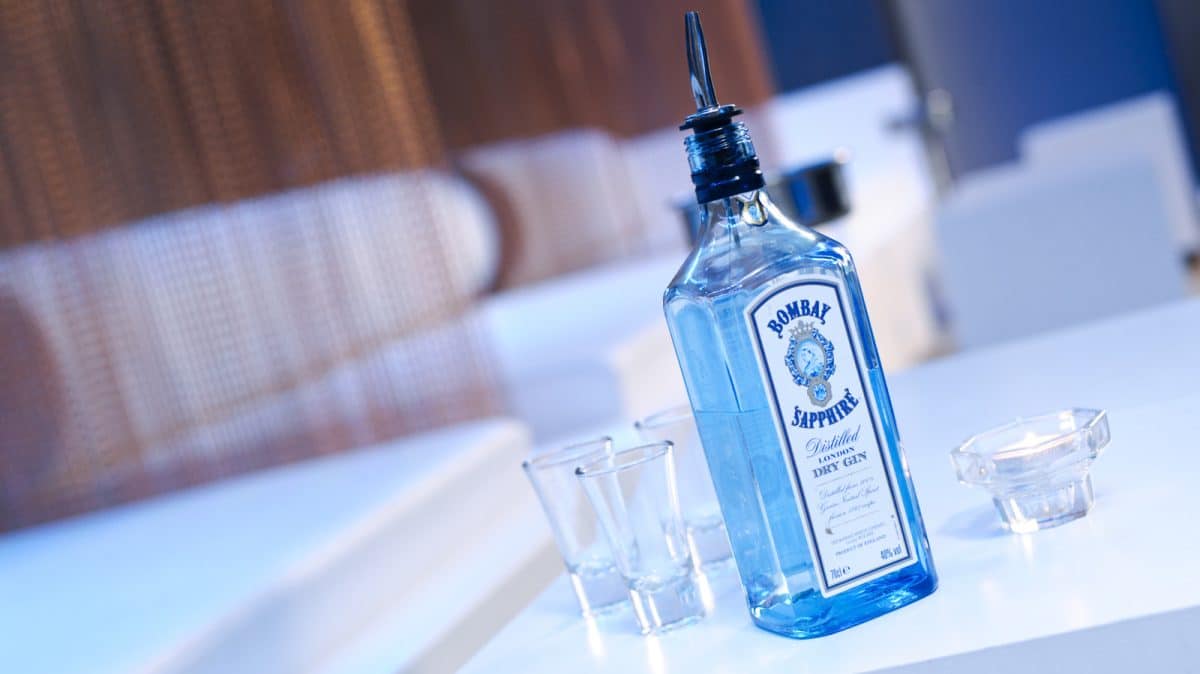
Bombay Sapphire is one of the most recognizable gins behind the bar, but there’s more to the brand than its cobalt-blue bottle. From a jewel-inspired name to an unusual distillation method and a public distillery in rural England, these details matter today as consumers weigh provenance, flavor and sustainability when they choose spirits.
- Name origin — Inspired by the “Star of Bombay,” a large sapphire now on display at the Smithsonian.
- Botanical mix — The recipe can include as many as 12 botanicals sourced from around the world.
- Extraction method — Uses vapor infusion in copper stills rather than full maceration, which affects flavor clarity.
- Historic distillery — Bombay Sapphire produces its gin at Laverstoke Mill, which is open for tours.
- Sustainability pledge — Since 2021 the brand has committed to sourcing certified sustainable botanicals.
- Limited releases — Certain expressions, like citrus-forward and seasonal editions, are not distributed in every market.
Caramel, butterscotch, toffee: how their differences affect your desserts
McDonald’s rebrands Twitter to honor Bubba Wallace after his first NASCAR Cup win
Why the story is relevant now
Interest in premium cocktails and traceable ingredients has been rising, and buyers increasingly expect transparency about how spirits are made and where botanicals come from. Bombay Sapphire’s production choices and its public-facing distillery make it a useful case study in how legacy brands respond to those expectations.
From Sri Lanka to a blue bottle
The gin’s name and signature color were inspired by a famous gem known as the Star of Bombay. Although the jewel’s name references India, the stone originated in Sri Lanka and was once owned by Hollywood actress Mary Pickford before it became part of the Smithsonian’s collection in Washington, D.C.
That connection provided both a visual identity and a storytelling anchor for the brand — an example of how heritage images are used to shape perception in the spirits market.
Complexity comes from many botanicals
What makes gin distinctive is its botanical character: juniper is required, but the final profile depends on the supporting ingredients. Bombay Sapphire’s formula draws on up to a dozen botanicals, including juniper from Tuscany, citrus peels from Spain, and more exotic items such as cubeb berries and licorice.
These ingredients are blended to produce layered aromas and flavors that bartenders exploit in classic cocktails like the Negroni or a simple gin and tonic.
Vapor infusion: a technical differentiator
Rather than steeping botanicals directly in the spirit, Bombay Sapphire places botanicals in perforated copper baskets inside the stills. As alcohol vapors rise, they pass through those botanicals and strip out essential oils — a technique known as vapor infusion.
This approach generally exposes botanicals to lower temperatures than full maceration, which can preserve brighter, fresher notes. It’s also more demanding to control, which is one reason not all distillers use it.
Try a comparative tasting: a gin made by traditional maceration beside a vapor-infused spirit will reveal differences in texture and aromatic lift.
Visit Laverstoke Mill
Bombay Sapphire’s distillery is housed at Laverstoke Mill in Hampshire, England, a converted paper mill with a long industrial history. The company transformed the site into a visitor-focused distillation center and opened it to the public in 2014.
As of this writing, guided tours run several days a week and typically last around 90 minutes; they include insights on the production process and a tasting component. For enthusiasts, the site offers a chance to see production methods and packaging up close rather than rely solely on marketing copy.
Promises on sustainability
In March 2021, Bombay Sapphire announced a commitment to source botanicals from certified sustainable suppliers. The stated aim is not only to secure high-quality inputs for current bottlings but also to maintain long-term availability through stewardship and supplier relationships.
That pledge intersects with broader industry concerns: climate change and shifting weather patterns can affect harvests, so producers increasingly work with growers on resilience and sustainable practices.
Not every bottle is available everywhere
While the core Bombay Sapphire expression is widely sold, some limited or regional editions remain available only in select markets. Examples include a lemon-forward “Citron” expression presented in a clear bottle and special releases that incorporate ingredients like mandarin, turmeric and cardamom.
Collectors and cocktail fans sometimes need to travel or rely on specialized importers to sample those variants — a reminder that global brands still curate portfolios by market.
- What to taste next: If you enjoy Bombay Sapphire’s bright profile, sample a traditional maceration-style gin for contrast.
- Practical tip: For a clearer sense of its botanicals, order a gin flight or a simple G&T served with a neutral mixer and a single citrus garnish.
Bombay Sapphire’s combination of recognizable branding, a technical production method and recent sustainability commitments explains why it remains prominent in bars and on social feeds. For consumers who care about flavor and provenance, those factors are increasingly part of the buying decision.
Irish whiskey: approachable bottles new drinkers should try today
Fishtown restaurants ranked: must-visit spots locals are raving about










