Show summary Hide summary
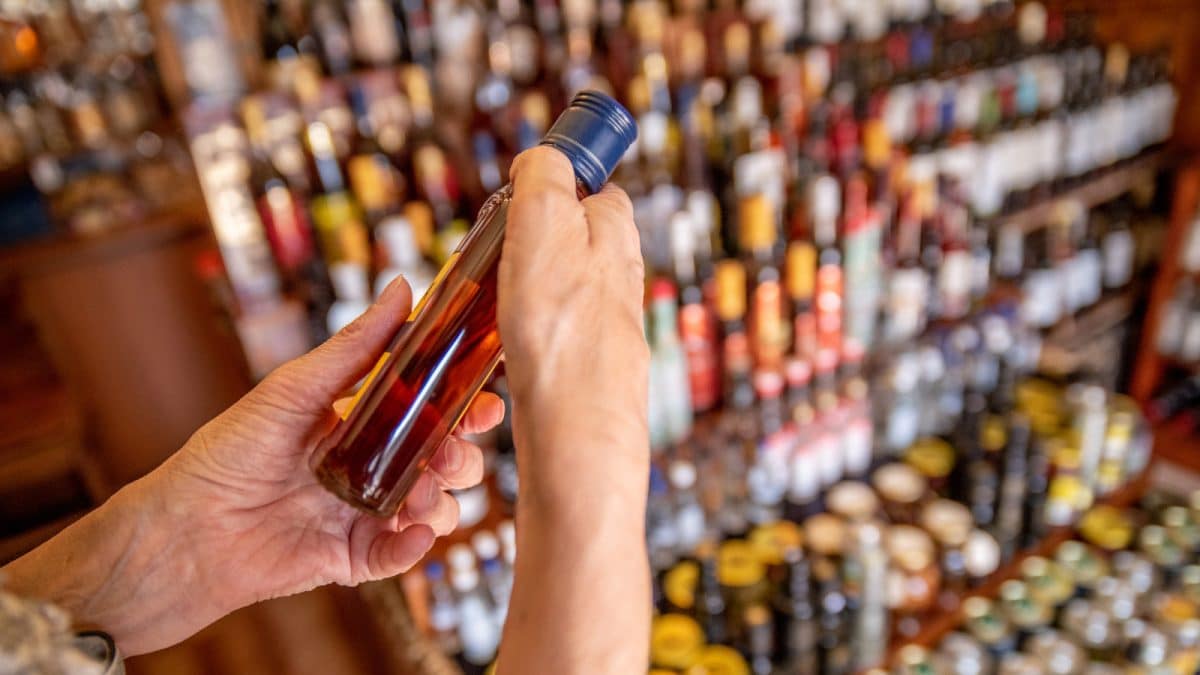
As people refresh home bars for spring and summer gatherings, some bottles deserve more attention than others. Certain sweet, low-proof spirits can change in flavor—or even spoil—within months of being opened, so knowing what to refrigerate and when to toss matters for taste and safety.
Why some bottles don’t last forever
Not all alcoholic drinks age the same. The key factors are alcohol content and sugar: higher alcohol levels slow microbial growth, while sugar and added ingredients create a more hospitable environment for spoilage.
Caramel, butterscotch, toffee: how their differences affect your desserts
McDonald’s rebrands Twitter to honor Bubba Wallace after his first NASCAR Cup win
In practice this means a clear distinction between liquor (like vodka or whiskey, typically higher ABV and lower sugar) and liqueur (sweetened spirits such as Grand Marnier, Campari, or Midori). Liqueurs contain more sugar and often flavorings—fruit, herbs, or cream—that shorten their practical shelf life once opened.
Which bottles to chill and why
Opened bottles of cream- or fruit-based liqueurs deserve refrigeration if you don’t plan to use them quickly. The cooler temperature slows deterioration and helps preserve aroma and texture.
- Cream liqueurs (for example: many Irish cream products) — sensitive to heat and oxidation; check the bottling date and follow the producer’s guidance.
- Fruit and herbal liqueurs — can lose fresh character and occasionally develop off-flavors after a few months.
- High-ABV spirits (whiskey, tequila, rum) — much less likely to spoil after opening; flavor may change slowly but they are generally shelf-stable.
- Vermouth and wine-based aperitifs — behave like wine and will deteriorate faster; refrigeration after opening is recommended.
Practical storage and timelines
Unopened, factory-sealed bottles kept out of sunlight and at a stable, moderate temperature can remain usable for a long time. Once opened, follow these rough guidelines to keep flavors intact and reduce waste.
- Drink within about 6 months: cream-based and many fruit-flavored liqueurs if stored at room temperature.
- Safe up to 6–12 months after opening: most liqueurs stored in the fridge will keep palatable qualities in this window.
- Likely stable for years: distilled spirits with high ABV, provided bottles are resealed and stored properly.
Some producers add specific dating or “best by” information on the bottle; use that as your primary guide. For example, many cream liqueurs are labeled with a two-year shelf life from bottling—check the bottle for exact dates and follow any storage instructions printed by the maker.
Signs a liqueur has gone off
Trust your senses. Throw out any bottle that shows an unusual sour smell, curdling or separation in cream-based products, visible mold, or a dramatically altered taste. Slight flavor fading is common and not dangerous, but pronounced off-aromas or texture changes usually indicate spoilage.
Quick tips for keeping your home bar fresh
- Store bottles upright, away from light and heat.
- Refrigerate opened cream, fruit, and wine-based spirits.
- Write the opening date on the bottle to track freshness.
- Use smaller bottles for slow-moving liqueurs to reduce exposure to air.
Managing a small set of rules—refrigerate sensitive bottles, heed dates, and watch for sensory red flags—will protect flavor and reduce waste. For hosts and enthusiasts planning gatherings now, a little attention to storage goes a long way in ensuring cocktails taste as intended.
Irish whiskey: approachable bottles new drinkers should try today
Fishtown restaurants ranked: must-visit spots locals are raving about