Show summary Hide summary
If you’ve always thought tequila belonged only in margaritas, the recent picks from bartenders and agave specialists might change your mind. A growing number of producers are crafting expressions meant to be savored neat — bright, balanced spirits that reward slow tasting rather than mixers.
Why this matters now: as cocktail culture matures, more drinkers want bottles that stand alone. That shift is pushing distillers to emphasize terroir, traditional methods and careful aging — and the results are showing up on shelves at a range of prices.
- Arette Clásico Blanco — family-made, versatile; good for sipping or cocktails.
- Cascahuín Blanco — volcanic terroir brings mineral and herbaceous notes.
- Volans Tequila Blanco — uses three water sources, including collected rain; notably soft.
- Lalo — minimalist blanco made with Champagne yeast and deep well water.
- G4 Madera Blanco — wood-fermented blanco with added sweetness and body.
- Santanera Tahona Blanco — tahona-pressed, terroir-forward and creamy in texture.
- Arette Artesanal Suave Blanco — silky, bright agave flavors with gentle spice.
- Tequila Corralejo Reposado — estate tequila from Guanajuato; aged in mixed oak for honeyed notes.
- Tequila Ocho Reposado — single-field lots, light oak influence and citrus-mineral balance.
- Siete Leguas Reposado — traditional production, ex-bourbon aging yields earthy complexity.
- Clase Azul Reposado — creamy mouthfeel and long finish; instantly recognizable ceramic bottle.
- Mijenta Reposado — additive-free, variable aging for precise texture and clarity.
- Wild Common Reposado — small-batch spirit from Cascahuín with pepper and butterscotch notes.
- Tapatio 110 — an overproof expression (55% ABV) that amplifies cooked agave and spice.
- Fuenteseca 7 Year — long-aged, Cognac-like complexity — a premium, contemplative pour.
Caramel, butterscotch, toffee: how their differences affect your desserts
McDonald’s rebrands Twitter to honor Bubba Wallace after his first NASCAR Cup win
Blancos that reward a slow sip
Many of the blanco selections on this list were recommended because they preserve pure agave flavors without heavy oak influence. Producers such as Lalo and Volans consciously limit ingredients and processes — deep well water, native yeast strains and short or no barrel time — to let the plant speak for itself.
Industry educators point out that water source and fermentation choices can dramatically affect mouthfeel. For example, Volans combines well, spring and harvested rainwater to create a softer backbone, while G4’s experiment with wood during fermentation adds an unexpected, cask-like sweetness to a clear spirit.
Reposados for tasting, not just mixing
Reposados occupy a sweet spot: they get subtle oak influence without overwhelming agave character. Several bartenders singled out bottles like Corralejo, Ocho and Siete Leguas as excellent entry points for drinkers who want a structured, sipping-minded tequila that still reads as agave.
One advantage of reposado is range. Tequila Ocho’s careful single-estate approach produces vintages that are delicate and mineral-driven, while Fuenteseca’s long-aged releases move toward the oxidative, almost brandy-like realm — different styles, both sippable.
High-proof and long-aged — extremes that work
There’s room on a tasting shelf for both the intense and the aged. Tapatio 110 is bottled at the maximum ABV allowed under Mexican standards for tequila and is recommended by experts for those who want unfiltered agave intensity. At the opposite end, Fuenteseca’s multi-year barrels produce layered, contemplative drams best enjoyed slowly, ideally with a little space between sips.
These contrasts make clear that “sippable” doesn’t mean one thing — it can be bold and direct or rounded and time-softened.
Notes from the bar: what pros listen for
Bartenders and educators evaluating these bottles emphasize three qualities that make tequila worthwhile to drink neat:
- Clarity of agave — a spirit should taste of cooked agave rather than heavy oak or added sweeteners.
- Balanced texture — mouthfeel that’s soft but not flabby; a clean finish helps the spirit linger.
- Authentic production — methods like tahona milling, native yeasts or single-vineyard sourcing often translate to distinctive, interesting flavors.
How to taste these tequilas at home
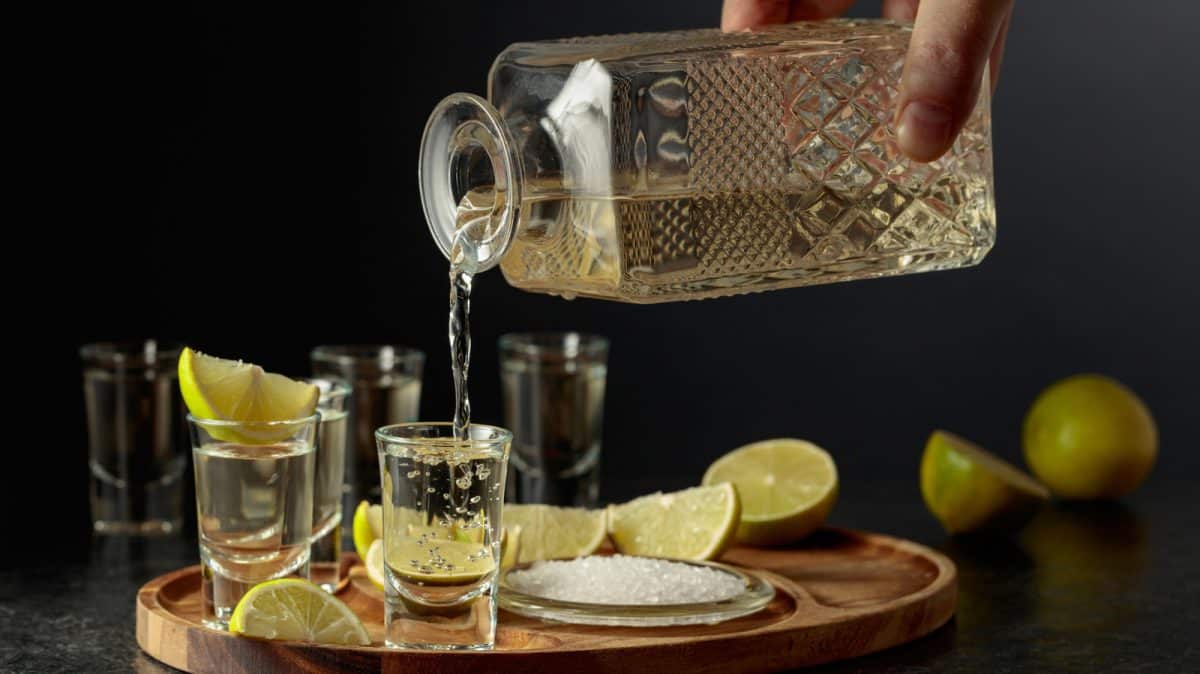
Pour a small measure into a tulip or tasting glass at room temperature. First, breathe gently to pick up aromatic notes — agave, citrus, floral, or oak. Let the spirit coat the tongue to assess texture and finish. Sip slowly; a sippable tequila grows on you.
Price and availability vary: several of the blancos and reposados are widely distributed and affordable, while bottles like Fuenteseca can be costly and limited. If you’re new to sipping agave, start with approachable entries such as Arette Clásico or Corralejo Reposado before moving to overproofs or long-aged expressions.
Whether you prefer a pure blanco or a mellow reposado, this moment in the spirits market makes it easier than ever to find a tequila meant to be enjoyed neat — one that reveals the plant, the place and the craft behind every bottle.
Irish whiskey: approachable bottles new drinkers should try today
Fishtown restaurants ranked: must-visit spots locals are raving about