Show summary Hide summary
A restaurant-quality scramble doesn’t require special tools—just three simple things: the right pinch of salt, a flavorful fat, and careful technique. These small adjustments can turn a rushed breakfast into a silky, satisfying dish that actually keeps you full and focused for the morning.
Why this matters now: with more people cooking at home and looking for quick, reliable wins, mastering scrambled eggs is an immediate upgrade. It’s a low-effort, high-impact change that improves meals across weekdays and weekends alike.
The three essentials explained
Salt affects texture as well as taste. Added too late, it may only season the surface; added too early, it can change the protein structure and make the curds softer. Either approach can work—what matters is being deliberate about why you salt.
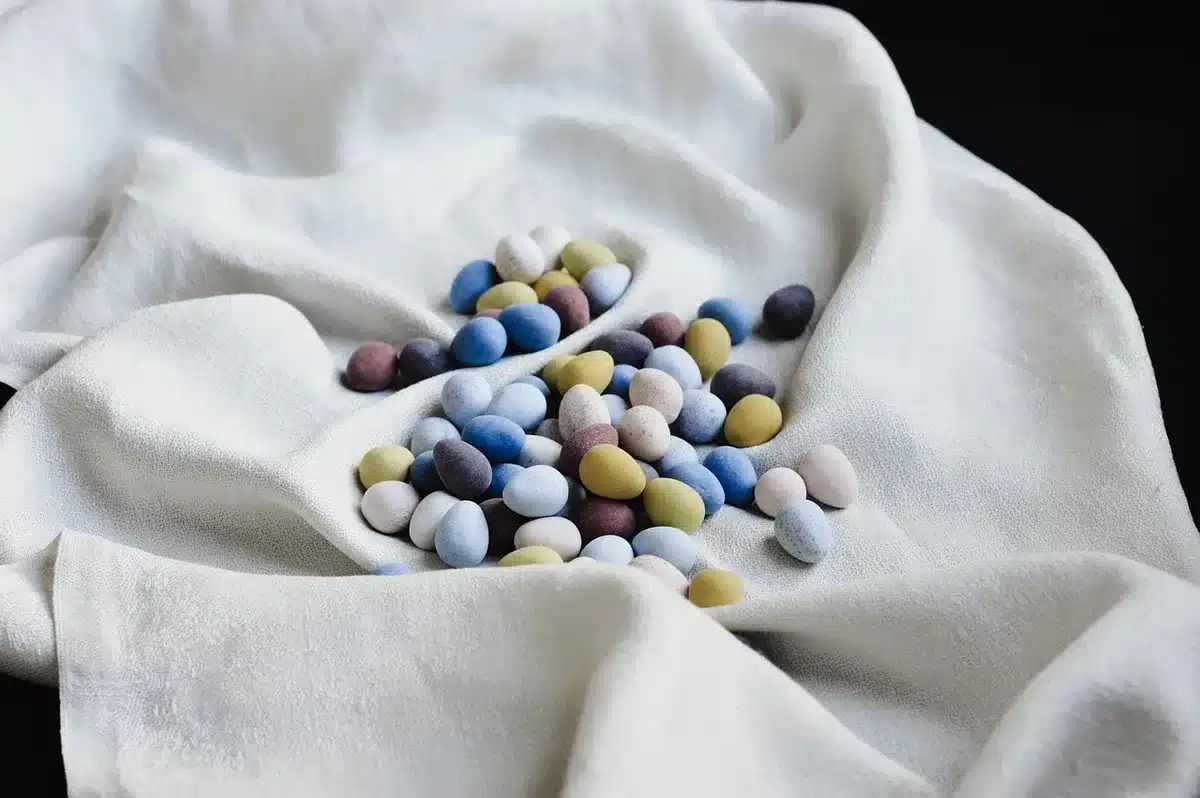
Caramel, butterscotch, toffee: how their differences affect your desserts
McDonald’s rebrands Twitter to honor Bubba Wallace after his first NASCAR Cup win
Fat builds mouthfeel and controls heat transfer. A knob of butter brings richness and a glossy finish, while oils like olive or avocado tolerate higher heat and give different flavor profiles.
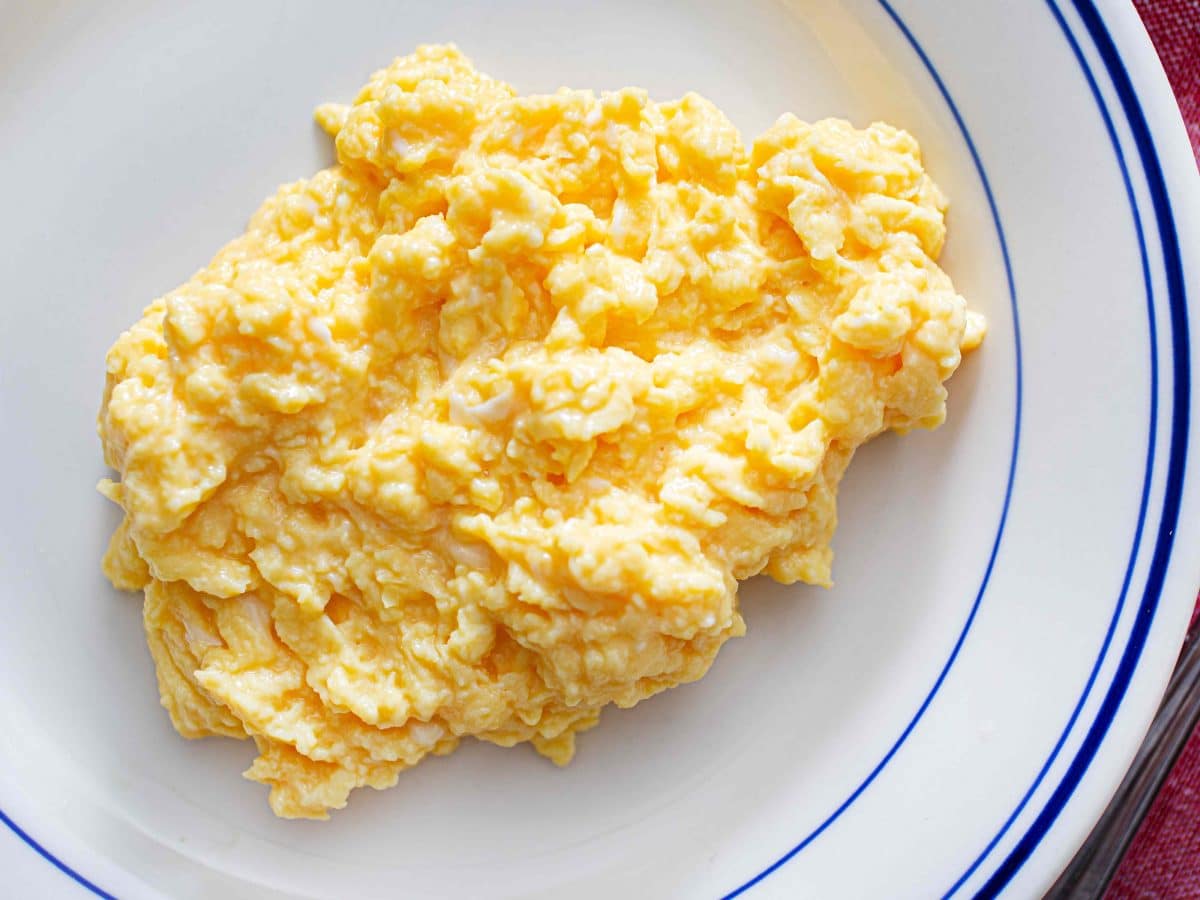
And finesse—steady stirring, gentle heat, and removing the eggs slightly underdone—delivers a creamy interior rather than rubbery curds. That finish is what separates average eggs from excellent ones.
Step-by-step: a simple method
- Crack eggs into a bowl and whisk until yolks and whites are just combined—minimal air is fine for a tender result.
- Season lightly with salt now if you prefer softer curds; wait until the end if you want more distinct seasoning.
- Heat a nonstick or well-seasoned pan over low heat. Melt your chosen fat until it shimmers but does not brown.
- Pour eggs into the pan and let them sit briefly, then gently stir with a silicone spatula, folding from the edges inward.
- When the eggs are mostly set but still glossy, take the pan off the heat and finish with a brief stir—the residual heat will complete them.
- Adjust with a final pinch of salt, a grind of pepper, or a small pat of butter for extra shine.
Small timing differences change texture: slow and low yields custardy curds; higher heat makes larger, drier curds faster. Choose based on how you like your eggs.
| Fat | Flavor / Effect | Smoke Point | Best for |
|---|---|---|---|
| Butter | Rich, creamy finish | Low | Classic, delicate scrambles |
| Olive oil | Fruity, savory | Medium | Faster cooking, Mediterranean flavors |
| Avocado oil | Neutral, clean | High | Higher heat or larger batches |
| Cream or milk (added to eggs) | Lightens texture, slightly fluffier | — | When you want a softer, loftier scramble |
Beyond technique, consider timing and portion: two large eggs typically make one generous serving; cook the same recipe for fewer people and you’ll get faster, more controlled results. For busy mornings, practice once and keep the steps simple—reliable outcomes beat novelty.
Final touches matter. Freshly cracked pepper, a sprinkle of herbs, or a few shreds of cheese added off-heat lift the dish without masking the egg’s texture. Done well, scrambled eggs are quick, affordable, and surprisingly elegant—a tiny daily win that rewards patience and attention.
Irish whiskey: approachable bottles new drinkers should try today
Fishtown restaurants ranked: must-visit spots locals are raving about