Show summary Hide summary
Cincinnati’s long-standing breakfast specialty has quietly re-emerged on menus and in home kitchens beyond Ohio, prompting fresh interest in a savory loaf made from meat and grains. Known for its dense texture and fried, caramelized exterior, this dish connects midwestern pantry thrift to contemporary comfort cooking—and matters now as regional foods gain new visibility.
What it is and where it comes from
Goetta is a compact, sliceable loaf made from ground meat combined with oats and spices. It traces its roots to German immigrants who adapted Old World recipes to what was available in 19th- and early-20th-century Cincinnati, creating an economical, protein-rich breakfast staple that could be stretched to feed families.
Caramel, butterscotch, toffee: how their differences affect your desserts
McDonald’s rebrands Twitter to honor Bubba Wallace after his first NASCAR Cup win
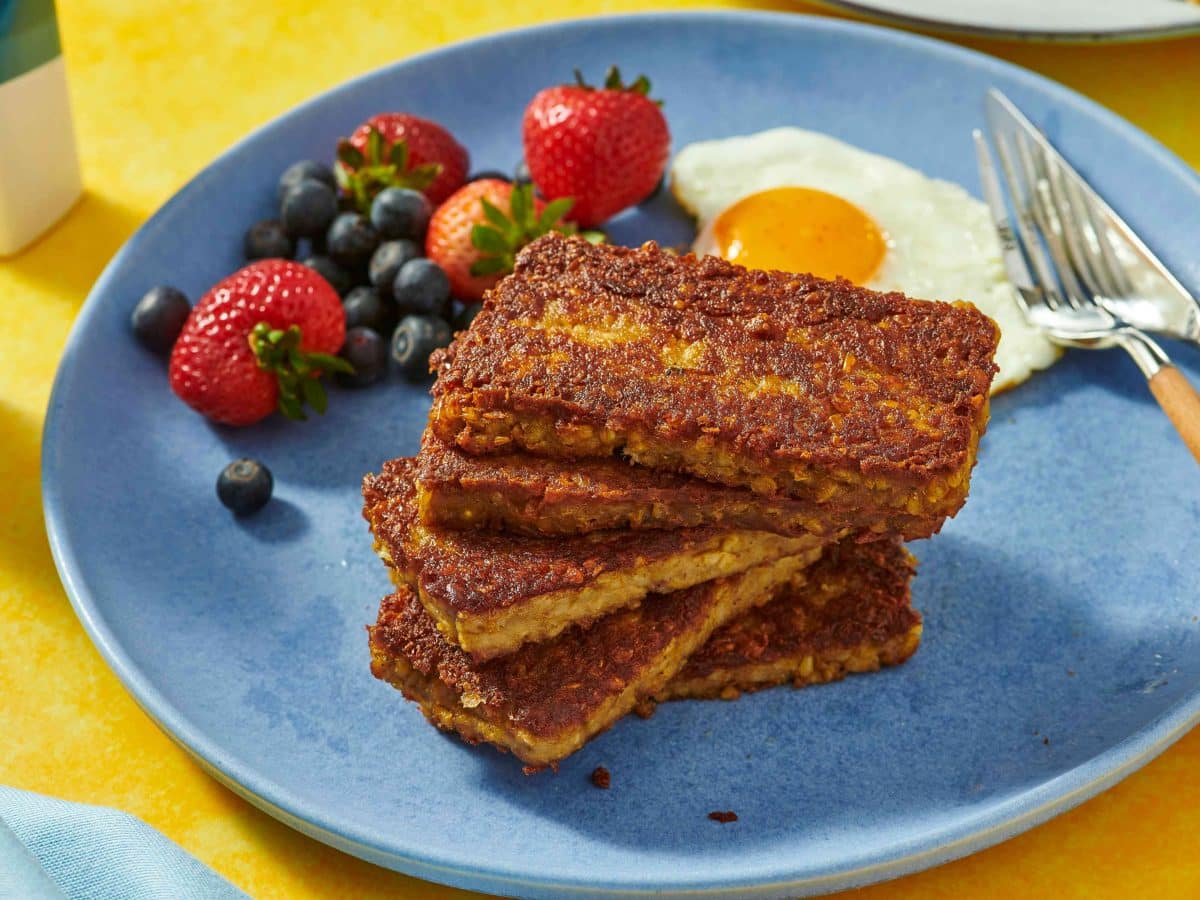
The result is a dense block that is usually sliced and pan-fried until edges brown and crisp. That contrast—soft interior, crisp exterior—defines the eating experience and helps explain why goetta remains a breakfast favorite in the region.
How it’s prepared and eaten
Traditional recipes use a mixture of pork and beef, simmered with steel-cut oats or coarse-ground oats, then seasoned with onion, bay leaf, and pepper before being set to cool in a loaf pan. Modern cooks sometimes experiment with leaner meats, different grains, or additional herbs, but the basic method is consistent.
- Slice about 1/2 inch thick for frying.
- Pan-fry in a bit of oil or butter over medium heat until golden on both sides.
- Serve with eggs, toast, or a ketchup or spicy mustard for contrast.
- Leftovers reheat well in a skillet or under a broiler for restored crispness.
Beyond breakfast plates, chefs now use pan-fried goetta as a textural element in sandwiches, breakfast bowls, and even as a pizza topping—small adaptations that are part of the current revival in regional comfort foods.
How it differs from similar loaves
| Dish | Region | Main grain | Typical meat | Flavor profile |
|---|---|---|---|---|
| Goetta | Cincinnati | Oats | Pork and beef | Savory, herbed |
| Scrapple | Mid-Atlantic | Cornmeal or wheat | Pork scraps | Earthy, sometimes sweet |
| Livermush | Southern U.S. | Cornmeal | Pork liver and pork | Rich, liver-forward |
Where to try it and what to expect
If you’re visiting Cincinnati, many diners and breakfast counters still serve goetta alongside eggs and home fries. It’s also sold in local butcher shops, regional supermarkets, and at weekend markets where small producers sometimes sell house-made loaves.
Outside the city, interest is growing among independent cafes and food trucks that highlight local or historic dishes. Expect variations in texture and seasoning—some makers lean into a fine grind and subtle spice, others keep larger oat pieces and a pronounced onion note.
Quick cooking and storage tips
To get the best crust, let slices dry briefly on a rack or paper towel before frying. Use medium heat so the interior warms through without burning the outside. For longer storage, wrap cooled loaves tightly and freeze; thawed slices re-crisp well in a skillet or oven.
Nutrition-wise, combining oats with meat produces a filling, calorie-dense food; portion control and leaner meat choices can make it a workable component of a balanced breakfast.
As regional cuisines continue to be re-examined by chefs and home cooks alike, dishes like goetta offer a tangible link between immigrant foodways and contemporary taste. Whether you find it at a long-running diner or a modern brunch spot, this meat-and-oat loaf is an enduring example of how practical cooking transforms into local tradition.
Irish whiskey: approachable bottles new drinkers should try today
Fishtown restaurants ranked: must-visit spots locals are raving about