
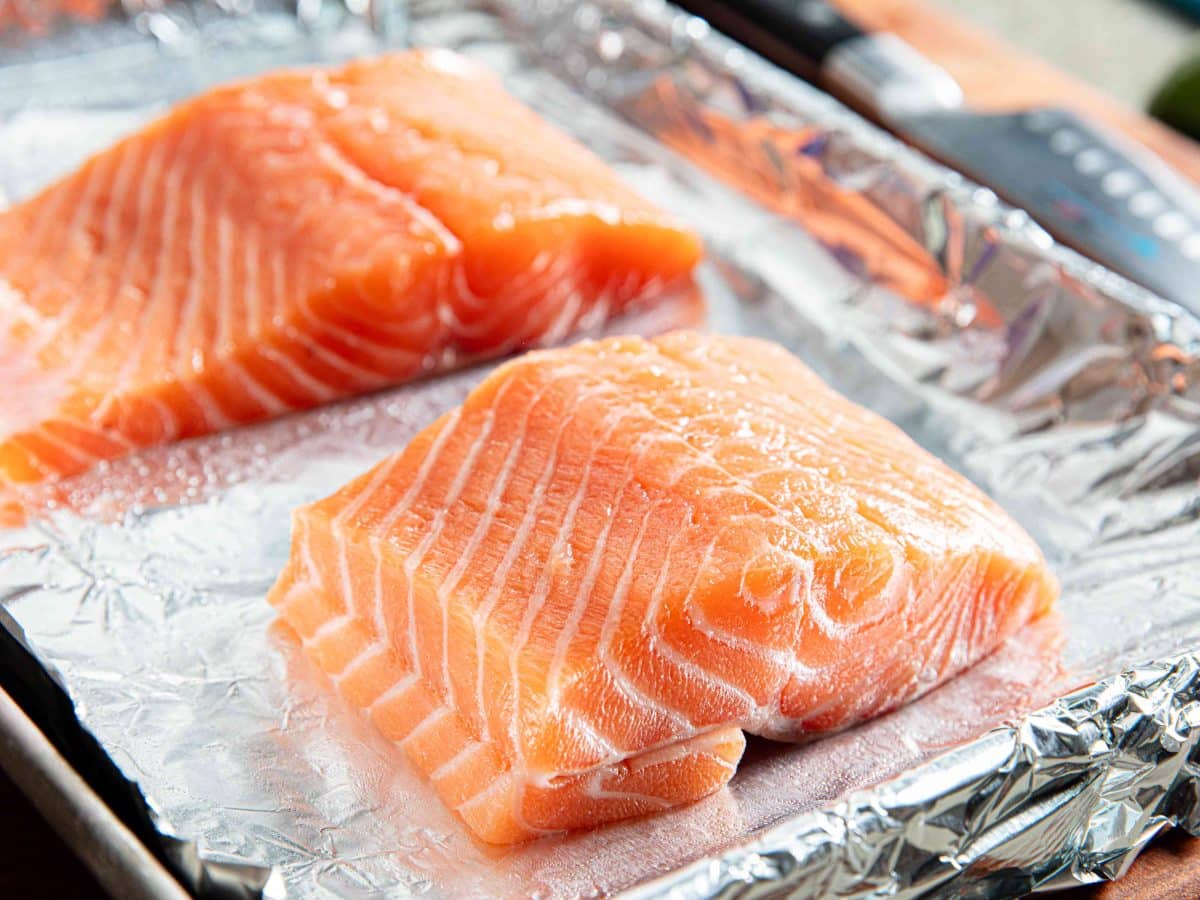
Removing the skin from a salmon fillet is one of those kitchen tasks that feels fiddly until you learn one clean movement. With the right grip, the proper blade and a steady single pass of the knife you can separate flesh from skin quickly — less mess, less waste and a smoother finish for cooking or plating.
Why this matters now
Home cooking has nudged more people toward whole fillets and restaurant-style presentations. Knowing how to take a fillet from skin-on to ready-to-season in one motion saves time and keeps texture intact — useful whether you’re pan-searing a weeknight supper or assembling a dinner party dish.
How to do it in one smooth motion
Position the fillet skin-side down on a stable board. If the cut has a tail end, gently fold it back and make a small angled incision between skin and flesh to start. With your non-knife hand pressing the skin flat and pulling it taut, glide a sharp, flexible blade forward in a single, controlled stroke, keeping the knife almost horizontal to the board. Don’t saw back and forth — the secret is steady forward motion while the skin is held tight.
Caramel, butterscotch, toffee: how their differences affect your desserts
McDonald’s rebrands Twitter to honor Bubba Wallace after his first NASCAR Cup win
Practical tips that improve success
– Use a fillet knife or a very sharp chef’s knife with a slight flex; a blunt blade forces a sawing action.
– Keep the fillet cold and slightly firm; partially chilled fish separates more cleanly.
– Dry the skin with paper towels so your fingers can grip it without slipping.
– Start with a small, angled cut near the tail rather than forcing the knife under the skin at the thickest point.
– If you plan to cook with the skin on, consider leaving it attached — it crisps nicely and protects the flesh from overcooking.
Common problems and quick fixes
– Knife slips or tears: sharpen the blade and dry the skin; pull the skin taut before the stroke.
– Flesh comes away in chunks: angle the blade closer to the skin (more horizontal) and use a longer stroke.
– Fillet is too soft: chill in the coldest part of the fridge for 20–30 minutes or firm up briefly in the freezer.
Which knife to choose
| Knife type | Best for | Notes |
|---|---|---|
| Fillet knife | Delicate, clean skin removal | Long, narrow, flexible blade—ideal for a single smooth pass |
| Chef’s knife | General kitchen use | Works if very sharp; less forgiving with thin fillets |
| Paring knife | Small fillets or trimming | Shorter strokes; harder to do one continuous cut |
When to keep the skin
Skin-on salmon is not a mistake — it adds flavor and a textural contrast when crisped. Remove skin when you need boneless, uniform slices for crudo, delicate sauces, or when a recipe specifically calls for skinless fillets.
A few final safety notes
Work on a non-slip board and keep fingers away from the blade’s path. A small dab of vegetable oil on the skin can help if you’re struggling to get a grip, but drying is usually better.
Try this next time you buy a whole fillet: a practiced single stroke turns a fiddly chore into a quick, professional-looking step. Once you nail the movement, prep time shrinks and the finished dish looks — and eats — better.
Irish whiskey: approachable bottles new drinkers should try today
Fishtown restaurants ranked: must-visit spots locals are raving about










