Show summary Hide summary
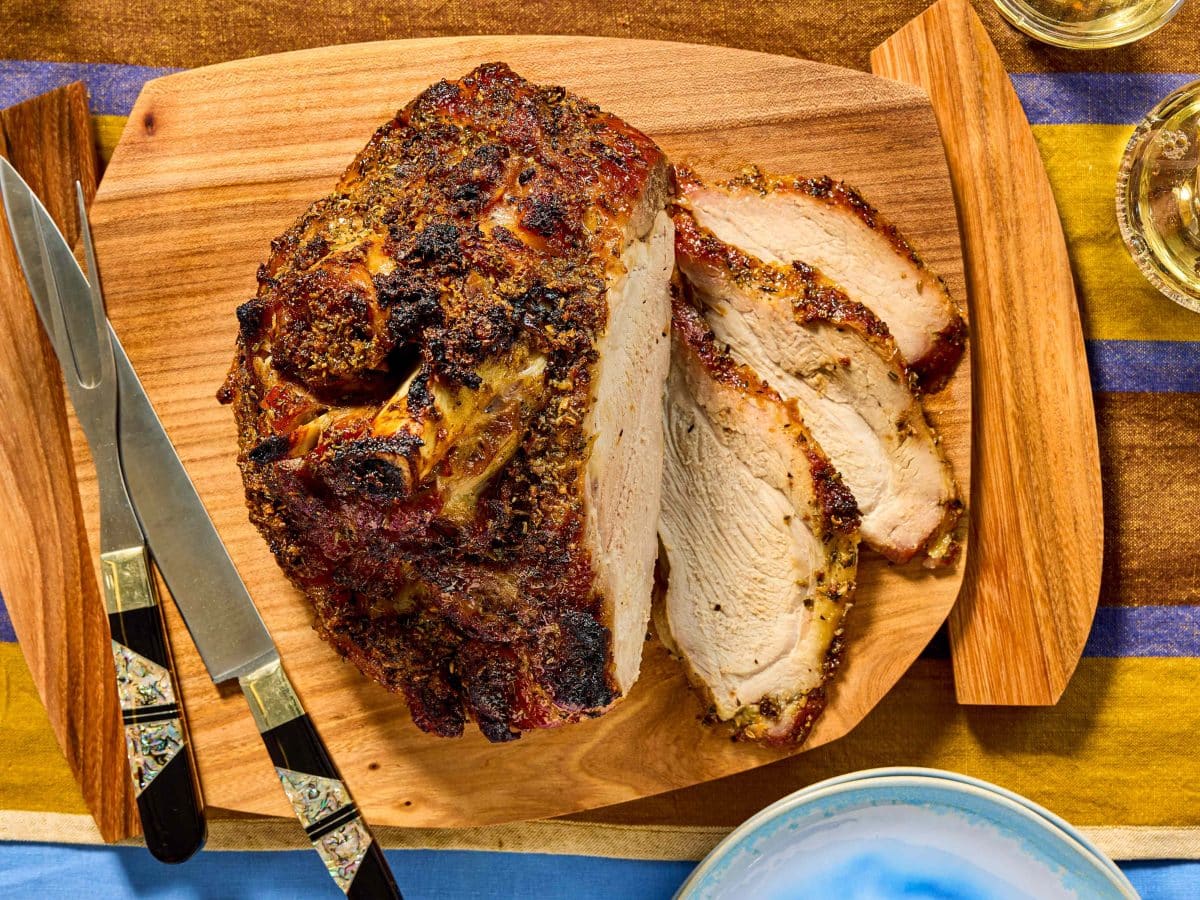
This season, a growing number of home cooks are trading the familiar, salty bite of store-bought cured ham for a slow-roasted, uncured pork leg that showcases pure pork flavor. When properly seasoned and roasted low and slow, a fresh ham can be as show-stopping as its cured counterpart—and often delivers a deeper, more nuanced taste.
Fresh ham is simply a whole pork leg that has not gone through the salting or smoking process that creates the classic holiday ham. That difference gives cooks more control over seasoning, sodium and texture, but it also requires attention: timing, internal temperature and finishing techniques determine whether the meat stays juicy or dries out.
Why it matters now
Caramel, butterscotch, toffee: how their differences affect your desserts
McDonald’s rebrands Twitter to honor Bubba Wallace after his first NASCAR Cup win
Many cooks want fresher ingredients and to dial back processed foods, and choosing an uncured leg lets them do both. Beyond health preferences, a slow roast rewards patience with an intense, unmasked pork character—useful for festive meals when you want one centerpiece that tastes unmistakably of pork rather than smoke or brine.
Core technique
At the heart of the approach is low, steady heat and a robust seasoning rub applied before roasting. The goal is to bring the interior to a safe temperature while breaking down connective tissue, without chasing away moisture. A digital probe thermometer is the best insurance against overcooking.
Key temperature targets and timing (estimates):
| Weight (boneless) | Oven temp | Approx. roast time | Target internal temp |
|---|---|---|---|
| 4–6 lb (1.8–2.7 kg) | 275°F / 135°C | 20–25 minutes per lb | 145°F (63°C) then rest |
| 7–10 lb (3.2–4.5 kg) | 300°F / 150°C | 18–22 minutes per lb | 145°F (63°C) then rest |
| Whole bone-in leg (10–15 lb) | 275–300°F / 135–150°C | Allow 4–6 hours; use probe | 145°F (63°C) then rest 20–30 min |
These are starting points—actual time varies with bone-in vs. boneless, oven performance and the roast’s starting temperature. Always rely on the internal reading rather than clock time alone.
Seasoning, finishing and practical tips
- Season boldly: A paste of oil, garlic, mustard, fresh herbs and coarse salt forms a flavorful crust. Because the ham is uncured, seasoning is where you build the savory profile.
- Score the fat: Light crisscross cuts help render the fat and allow rubs or glazes to penetrate.
- Use a thermometer: Insert a probe into the thickest part, avoiding bone; remove at 145°F and let the roast rest so carryover cooking finishes it gently.
- Glaze late: Sugary glazes caramelize quickly—apply in the last 20–30 minutes under higher heat or with the broiler close by to avoid burning.
- Rest and slice: Rest 20–30 minutes loosely tented; this keeps juices from running out and makes carving cleaner.
For cooks who like to plan ahead, brining an uncured leg for 12–24 hours can add moisture and seasoning depth without turning it into a boxed ham. Alternatively, a dry rub and a long roast produce a concentrated pork flavor that pairs well with sharp condiments like mustard or bright fruit sauces.
Serving and leftovers
Slow-roasted fresh ham slices well warm or at room temperature and can headline any holiday table. Leftovers reheat gently in a covered pan with a splash of stock or become the basis for sandwiches, stews or fried rice.
Because this approach emphasizes control—over salt levels, surface seasoning and final texture—home cooks who invest a little time in preparation often find that a slow-roasted fresh ham delivers a more expressive, less processed taste than many cured alternatives. It’s a technique worth trying when you want a distinctive centerpiece that showcases real pork flavor.
Irish whiskey: approachable bottles new drinkers should try today
Fishtown restaurants ranked: must-visit spots locals are raving about