
Show summary Hide summary
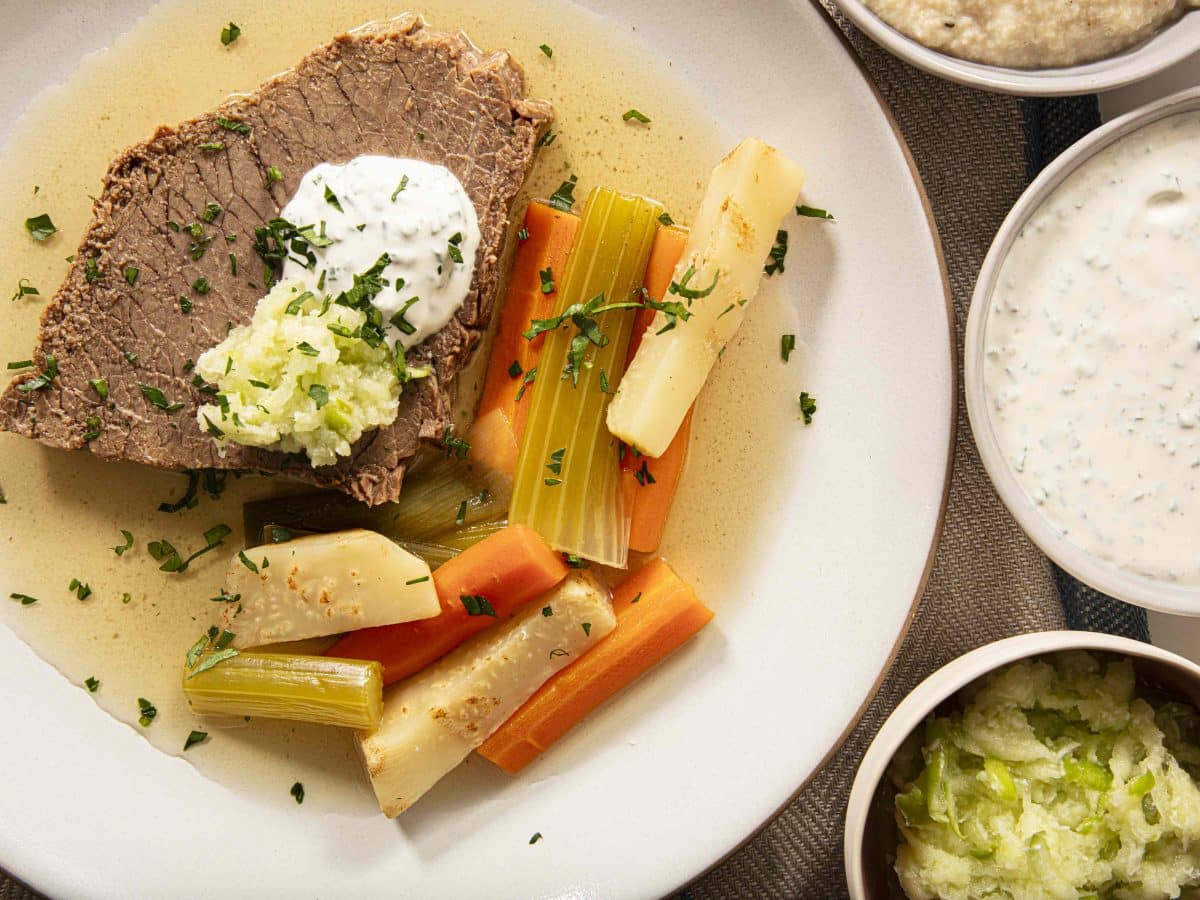
Austrian Tafelspitz — a dish built around gently simmered beef — is quietly enjoying renewed attention among chefs and home cooks this season. Its two-part service, which begins with a bright, beefy broth and finishes with thin, tender slices of meat alongside vegetables and traditional condiments, speaks to a growing taste for slow-cooked comfort with restrained technique.
Long a staple of Viennese dining rooms, Tafelspitz is simple in concept but exacting in execution: a well-marbled cut is poached slowly so the meat stays sliceable and moist while the cooking liquid becomes a richly flavored consommé. That combination—subtle luxury without fuss—helps explain why the dish is reappearing on winter menus and in home kitchens where cooks want depth of flavor without heavy sauces.
How the dish unfolds on the plate
Caramel, butterscotch, toffee: how their differences affect your desserts
McDonald’s rebrands Twitter to honor Bubba Wallace after his first NASCAR Cup win
Traditional service separates the experience into two parts. First comes the clarified broth, often served as a starter with small diced vegetables or a light noodle. The main course follows: the cooled meat is carved thinly and arranged with the braised root vegetables that cooked alongside it.
The contrast between the clear, aromatic broth and the unadorned, juicy slices is essential. Condiments are offered at the table to add brightness or bite, so each diner can customize every mouthful.
Classic accompaniments
- Apfelkren — a sharp relish of grated horseradish and apple that slices through the richness.
- Sour-cream or chive-based sauces that add creaminess and herbal lift.
- Mustard or piquant dressings in some regional or modern interpretations, providing a savory counterpoint.
Chefs vary the trio: some emphasize a very pungent horseradish, others prefer a milder, creamier chive sauce. The point is contrast—acid or spice to balance the slow-cooked beef.
Practical tips for cooks and diners
Making Tafelspitz at home is straightforward but time-consuming. Key steps are low-and-slow poaching, gentle skimming so the broth stays clear, and a resting period that lets the meat firm enough to slice thinly.
- Choose a beef cut with some marbling—fat renders during poaching and keeps slices juicy.
- Simmer gently for several hours rather than boiling; rapid agitation toughens the meat.
- Strain and chill the broth if you want a pristine consommé; skim off fat before serving.
- Serve in two stages: broth first, then chilled or room-temperature slices with vegetables and condiments.
Leftovers are generous: thin slices make excellent sandwiches or can be reheated briefly in the strained broth to retain moisture.
Why this matters now
As menus pursue authenticity and diners seek comforting but thoughtful dishes, classics like Tafelspitz offer a route to both. The dish rewards patience, highlights simple ingredients, and aligns with current interest in nose-to-tail and less-processed preparations. For restaurants, it’s an opportunity to showcase stockcraft; for home cooks, a way to produce restaurant-quality results with modest technique.
Whether encountered at a Viennese table or revived on a neighborhood bistro menu, Tafelspitz remains a lesson in restraint: a reminder that powerful flavor often comes from time, good ingredients, and a few well-chosen accompaniments.
Irish whiskey: approachable bottles new drinkers should try today
Fishtown restaurants ranked: must-visit spots locals are raving about