Show summary Hide summary
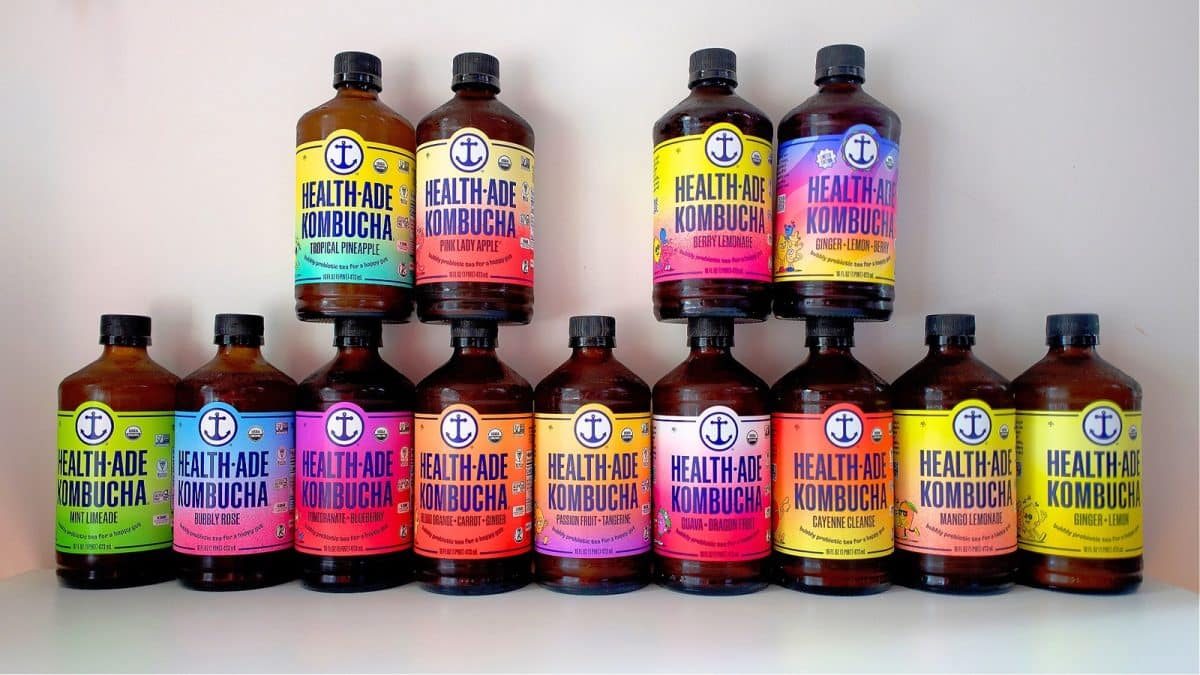
With kombucha now a staple in many refrigerator doors, picking a favorite among ready-to-drink brands matters more than ever — flavor makes people reach for one bottle over another. I sampled the current Health-Ade range to rank the 13 flavors, focusing on how clearly each fruit, herb or spice expresses itself and what drinkers can expect at the first sip.
13. Pomegranate Blueberry
Caramel, butterscotch, toffee: how their differences affect your desserts
McDonald’s rebrands Twitter to honor Bubba Wallace after his first NASCAR Cup win
This one sits at the bottom not because it’s poor, but because its fruit notes are restrained. The mix leans toward a softer, more understated profile — blueberry gently leads while pomegranate hides in the background.
For newcomers to fermented tea who prefer subtlety, Pomegranate Blueberry is approachable. If you want bold, distinctive fruit, reach higher on the list.
12. Tropical Pineapple
Pineapple fans will recognize the tropical suggestion here, although the tang is shy. The effervescence softens the fruit impression, leaving a whisper of pineapple rather than a roar.
It’s pleasant, bright enough to mix into cocktails or mocktails, and a safe choice for people easing into fizziness and fermented flavors.
11. Mango Lemonade
Mango brings sweetness; lemon is supposed to cut through it — but in this bottle the citrus barely registers. The drink reads as mellow, with mango carrying most of the flavor weight.
If you prefer assertive fruit-forward kombuchas, this one may feel like it’s holding back. Still, it’s an easygoing option for casual sippers.
10. Ginger Lemon
Classic and familiar: spicy ginger backed by tart lemon. It’s the straightforward wellness combo you might expect from any health-minded beverage line.
Ginger is the dominant element here, which will thrill fans of warming spice and possibly overwhelm those who avoid sharp heat. It’s predictable, and that predictability is its selling point.
9. Cayenne Cleanse
Cayenne introduces a gentle warmth rather than chili-level heat. The sensation lingers on the palate and offers an energizing finish that distinguishes it from the milder entries.
This one earns its place for character: the pepper element punctuates the kombucha without overpowering its base tang.
8. Bubbly Rose
Floral and delicate, Bubbly Rose is a lighter, more aromatic option. It’s not perfumed to the point of being distracting; instead, rose sits above a crisp fermented backbone.
Good for drinkers curious about floral flavors who want something subtle rather than saccharine.
7. Pink Lady Apple
Think sparkling apple cider with a tangy kombucha twist. The apple here is unmistakable and evokes autumnal notes rather than candied fruit.
It’s the best of the single-fruit bottles on the list: familiar, seasonally evocative and easy to pair with food.
6. Berry Lemonade
Where Mango Lemonade faded, Berry Lemonade lands firmly. Mixed berries provide depth and richness, while a hint of lemonade brightens the finish.
Balanced and lively, this flavor works well for people who want fruit intensity without stepping into experimental territory.
5. Ginger Lemon Berry
This blend reimagines the ginger-lemon duo by adding berry complexity. The fruit tempers the ginger’s bite and the lemon keeps the profile lively.
It’s a versatile bottle — familiar enough for many palates but layered enough to feel more developed than a basic ginger lemonade.
4. Passion Fruit Tangerine
Citrus-forward and exuberant, this one is bright and persistent. Passion fruit gives a rounded tropical base while tangerine brings a tart, lip-smacking finish.
It’s loud in a good way: a clear, memorable citrus combination that stays with you after the sip.
3. Mint Limeade
Mint and lime come together with a cooling lift that almost reads like a frozen dessert — think sorbet more than soda. The mint is fresh and prominent; lime adds vivid acidity.
This bottle surprised with how vivid and cohesive the pairing felt. It’s zippy, distinctive and a natural pick for warm-weather drinking.
2. Blood Orange Carrot Ginger
One of the more unusual combinations, this flavor stands out because the carrot contributes an earthy depth you don’t often find in fruit-forward kombuchas. Blood orange supplies bold, almost floral citrus notes, and ginger adds a measured warmth.
If you enjoy complex vegetable-fruit blends, Blood Orange Carrot Ginger is a compelling, layered option — it rewards repeated sips.
1. Guava Dragon Fruit
Topping the list, Guava Dragon Fruit delivers a concentrated tropical profile that feels both bright and substantial. Guava leads with warmth and aroma, while dragon fruit supports and stretches the flavor without flattening it.
It’s the boldest fruit expression in the lineup and the most likely to convert someone who doesn’t drink kombucha regularly into a repeat buyer.
Quick takeaways:
- Bold fruit profiles: Guava Dragon Fruit, Blood Orange Carrot Ginger, Passion Fruit Tangerine.
- Classic, approachable picks: Ginger Lemon, Bubbly Rose, Pink Lady Apple.
- Good entry-level options for newcomers: Pomegranate Blueberry, Tropical Pineapple, Mango Lemonade.
Methodology
The ranking prioritizes clarity and strength of flavor over personal preference alone. Bottles were judged by how distinctly each ingredient read on the palate, the balance between sweet, tart and spicy notes, and how memorable the overall profile was.
All samples were tasted straight from chilled bottles. I also considered uniqueness — blends that deliver novel combinations or surprising harmony scored higher than predictable pairings. No single sample was ruled out for being merely “fine”; the list reflects gradations of preference within a consistently well-made product line.
Why this matters now: as kombucha becomes mainstream, knowing which flavors deliver intensity versus subtlety helps buyers pick a bottle that fits their taste or the occasion — whether you want something to sip solo, mix into a mocktail, or pair with a meal.
Irish whiskey: approachable bottles new drinkers should try today
Fishtown restaurants ranked: must-visit spots locals are raving about