
The image of the Founding Fathers as stern, abstemious statesmen is due for an update. Long before coffee and boxed cereals dominated American mornings, John Adams started his day with a small measure of hard apple cider—a habit tied to the health and hygiene realities of the 18th century that still shapes how we think about colonial life.
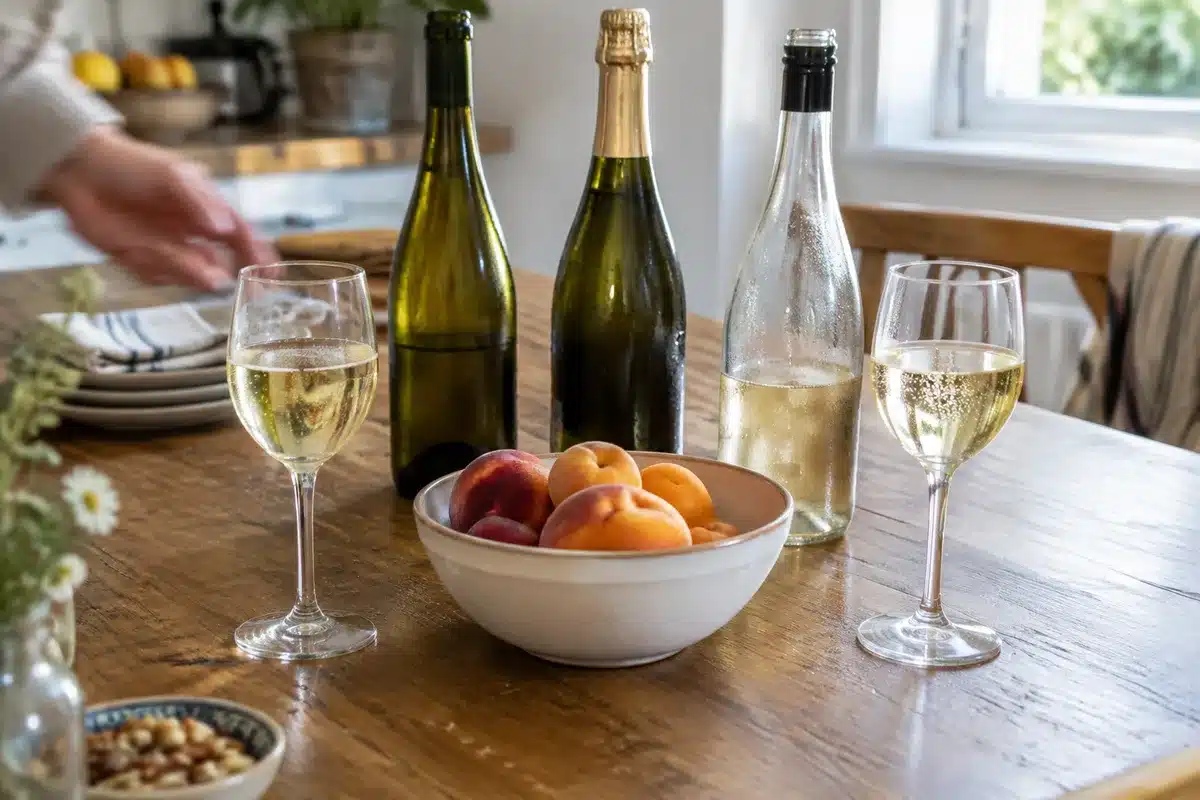
Alcohol was commonplace in early America not because people sought intoxication, but because fermented drinks were often safer than untreated water. Historians note that colonial-era consumption of spirits and fermented beverages was far higher per capita than it is today, and everyone from schoolboys to presidents drank forms of beer, cider, and fortified wine for nourishment and perceived medicinal benefit.
How Adams began his day
Caramel, butterscotch, toffee: how their differences affect your desserts
McDonald’s rebrands Twitter to honor Bubba Wallace after his first NASCAR Cup win
Adams picked up the practice while a student at Harvard, adopting a morning ration of hard cider as a routine “pick-me-up” that he later described as refreshing and wholesome. Into adulthood he kept that pattern: on most mornings he would take a small 3–4 ounce portion of cider to start the day, reserving stronger wines like Portuguese Madeira for evening company.
When he moved to Washington, Abigail Adams ensured their household staples included his preferred brew, and the habit only softened in certain locales—while in Philadelphia he sometimes favored local beers. The taste for fortified wine carried on in the family; his son John Quincy Adams reportedly had a remarkable knack for recognizing multiple Madeira brands in blind tastings.
Understanding these routines matters because they illuminate everyday colonial life: what people drank was shaped by practical needs, local supply, and cultural habits—not the temperance we sometimes assume when reading political texts.
- Why cider? Fermented apple drinks were common because they were safer to consume than many water sources.
- When? Adams’s morning portion was small—about the size of a modern shot glass—and part of a habitual wake-up ritual.
- Not just cider: contemporaries favored a range of drinks, from Benjamin Franklin’s milk-based punches to Thomas Jefferson’s imported wines.
- Household stock: Abigail Adams stocked her husband’s favorites when they lived in the executive residence, reflecting personal preference amid available provisions.
| Drink | Typical time | Notes |
|---|---|---|
| Hard cider | Morning | Small daily measure used as a restorative and a safer beverage option |
| Milk punch | Occasional | Favored by Benjamin Franklin for its creamy profile |
| Madeira | Evening | Imported fortified wine enjoyed socially by Jefferson and Adams |
| Ciderkin | Anytime | Weaker apple drink sometimes given to children |
These habits also have modern echoes. As artisanal and small-batch ciders grow in popularity, interest in historical foodways has led some producers and historians to revisit colonial recipes and drinking customs. That revival offers a lens for re-evaluating how necessities—clean water, preservation, local agriculture—influenced daily life in early America.
Viewing John Adams’s morning cider as a window into the past helps dispel myths about the founders’ supposed constant sobriety, while reminding us that everyday choices are shaped by context. If you’re curious about that history, a responsibly poured glass of hard cider at brunch can be as instructive as any textbook—but it’s the public-health and cultural reasons behind the habit that tell the fuller story.
Irish whiskey: approachable bottles new drinkers should try today
Fishtown restaurants ranked: must-visit spots locals are raving about