
Think of a martini that feels familiar at first sip but then reveals a deeper, herbaceous richness: that’s the result when a small pantry ingredient is put to work. As home bartending continues to evolve, mixing spirits with quality olive oil has become a simple way to add aroma, mouthfeel and a clear lift to gin- or vodka-based martinis.
Rather than leaving an oily film, the process extracts flavor compounds from the oil while allowing you to remove the fat itself — producing a drink with a rounder texture and pronounced grassy, peppery notes. This method, often called fat-washing, is straightforward and relies on time and temperature rather than special equipment.
In practice, you briefly marry spirit and oil, then separate them so only the aromatic compounds remain. The payoff is a martini that tastes more layered: olive-scented on the nose, savory on the palate, and clean on the finish.
Caramel, butterscotch, toffee: how their differences affect your desserts
McDonald’s rebrands Twitter to honor Bubba Wallace after his first NASCAR Cup win
- Ingredients: 375 ml gin or vodka, 30 ml (about 1 oz) high-quality extra-virgin olive oil.
- Combine: Pour spirit and oil into a sealed container; shake until emulsified.
- Rest: Let sit at room temperature for a few hours to overnight, depending on desired intensity.
- Freeze: Chill the mixture until the oil congeals and separates.
- Remove & strain: Skim off the solidified oil, then filter the spirit through a coffee filter or fine mesh.
- Mix: Stir or shake your martini as usual with vermouth, garnish and serve.
Which spirit you choose changes the result. Gin will accentuate herbal and botanical elements, while vodka keeps the profile cleaner and lets the olive notes take center stage. Adjust the oil quantity and infusion time to taste — subtlety is often more compelling than intensity.
Serving suggestions and pairings
Serve this style of martini before a meal. Its savory richness acts as an appetite stimulant — think of it as an elevated pre-dinner sip that primes the palate.
Good matches include cured meats and aged cheeses that mirror the drink’s salty-savoury character, or lighter, tomato-forward bites that contrast the martini’s oily aroma. A few pairing ideas:
- A charcuterie plate with aged manchego and prosciutto
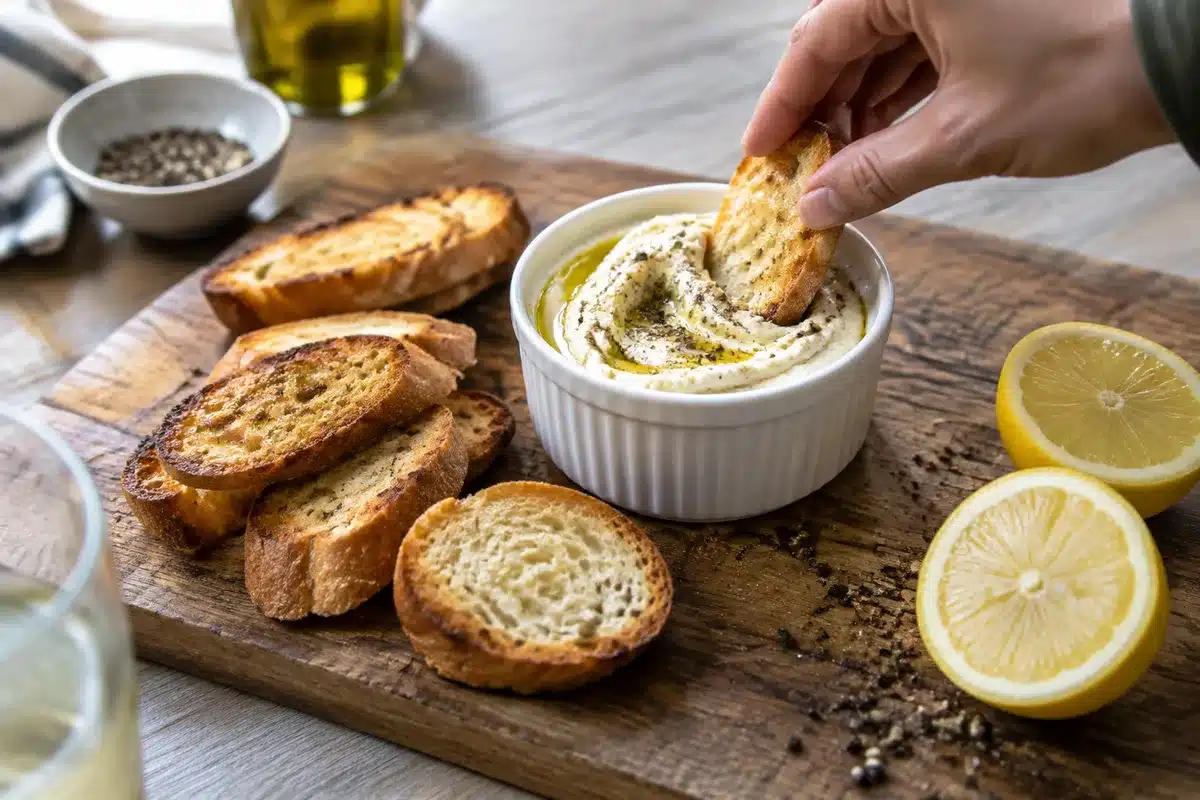
- Bruschetta topped with ripe tomatoes, basil and a drizzle of olive oil
- Marinated olives or a small bowl of roasted nuts
For garnish, consider replacing standard briny olives with Castelvetrano olives — their gentle sweetness and buttery texture complement the infused oil rather than competing with it. A final flourish: drop a few tiny dots of your best olive oil on the surface right before serving to amplify aroma and polish the presentation.
At home, this technique invites experimentation without much risk. Use a fresh, fruity extra-virgin olive oil for a brighter result, or try more robust oils sparingly. The process removes the bulk of the fat, so the caloric impact on the finished drink is minimal, while the sensory payoff is significant. As cocktail culture continues to explore pantry-forward innovations, this olive-oil martini is a quietly sophisticated option worth trying.
Irish whiskey: approachable bottles new drinkers should try today
Fishtown restaurants ranked: must-visit spots locals are raving about