
Show summary Hide summary
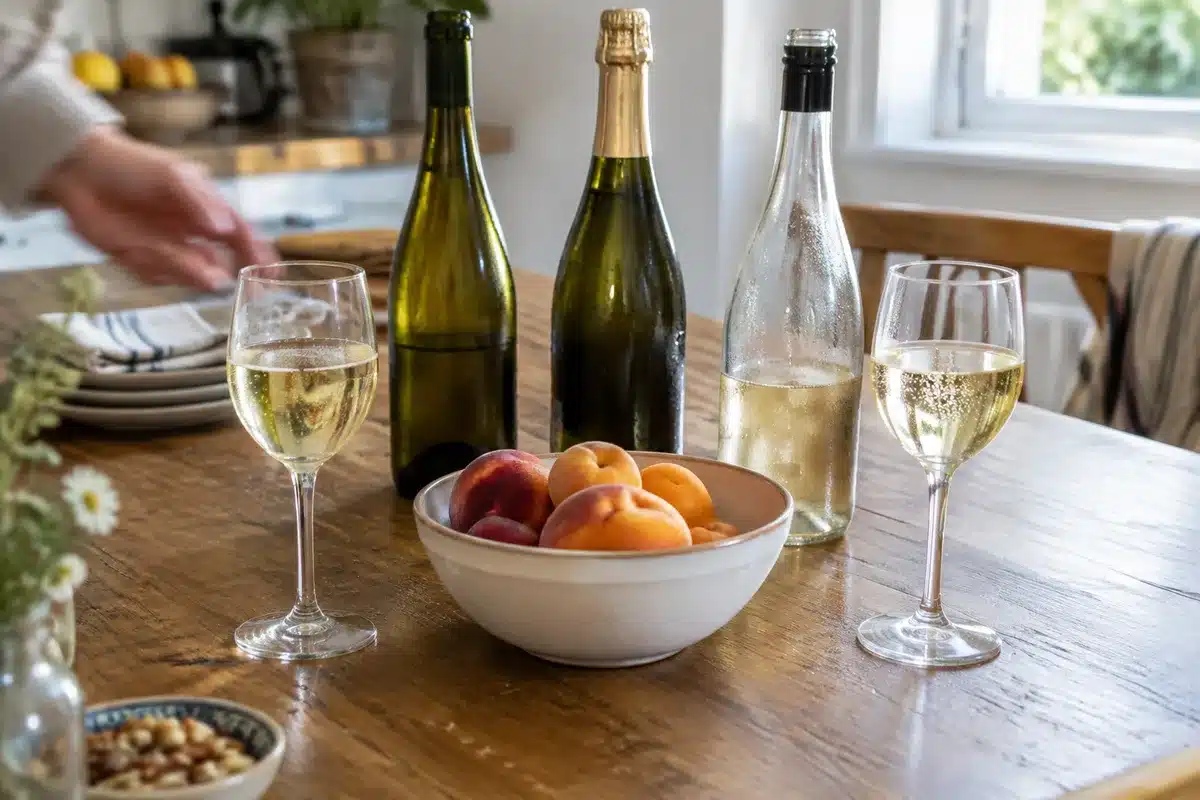
Nonalcoholic sparkling wine is shedding old stereotypes, and one Spanish-made bottle is drawing real attention. Bolle’s Blanc de Blancs has emerged in recent tastings as a standout, prompting many to rethink what alcohol-free bubbly can be—and whether it belongs at the center of celebrations.
Priced at about $40 for a 750 ml bottle, $90 for a magnum and available in a 375 ml demi for roughly $24, Bolle sits at the premium end of the alcohol-free market. That price tag matters now because more drinkers are seeking alcohol alternatives that feel like an occasion wine rather than a simple substitute.
Caramel, butterscotch, toffee: how their differences affect your desserts
McDonald’s rebrands Twitter to honor Bubba Wallace after his first NASCAR Cup win
What sets it apart
The wine is made from a blend of chardonnay and silvaner grapes grown in Spain, and its production method is central to the praise it receives. After removing alcohol from the base wine, the producer carries out a second fermentation to rebuild bubbles, aroma and mouthfeel—an uncommon step among alcohol-free winemakers.
In practical terms, that re-fermentation restores structural elements that often disappear during dealcoholization, leaving a fizz with notable acidity, crispness and a layered flavor profile. Tasters have described the result as more texturally complex and drier than many other alcohol-free sparklers on the market.
How people are reacting
Online feedback is largely favorable. Several buyers report that the bottle reads as more celebratory than many lower-cost alternatives, and some say even regular wine drinkers did not immediately notice the lack of alcohol.
Not all responses are unequivocal: a minority of reviewers find the sweetness level higher than they prefer, and a few critics who review alcohol-free drinks place it behind other contenders. Still, price is the most frequently mentioned drawback; some shoppers recommend trying the demi bottle before committing to a full-size purchase.
- Strengths: Complex mouthfeel, persistent bubbles, good acidity; versatile for sipping or cocktails.
- Limitations: Premium price point; sweetness may not suit all palates.
- Serving tips: Chill well; enjoy on its own, as a base for a refined mocktail, or paired with light seafood, fresh salads or creamy risottos.
Why this matters now
As alcohol-free options move from niche to mainstream, production techniques that recreate traditional wine characteristics become commercially and culturally significant. Bolle’s approach—re-fermenting after dealcoholization—illustrates a broader trend: producers investing in methods to deliver authentic sensory experiences without alcohol.
The practical consequence for consumers is simple: if you’re avoiding alcohol but still want a bottle that performs like a sparkling wine at a dinner or toast, higher-end alcohol-free labels are closing the gap on flavor and structure. For those on a budget, smaller-format bottles or other brands can offer a compromise.
In short, Bolle’s Blanc de Blancs is not merely another no-alcohol option; it signals how technique and quality are reshaping expectations for alcohol-free sparkling wines—and why shoppers might consider paying a bit more for a bottle that behaves like a true celebration wine.
Irish whiskey: approachable bottles new drinkers should try today
Fishtown restaurants ranked: must-visit spots locals are raving about