Show summary Hide summary
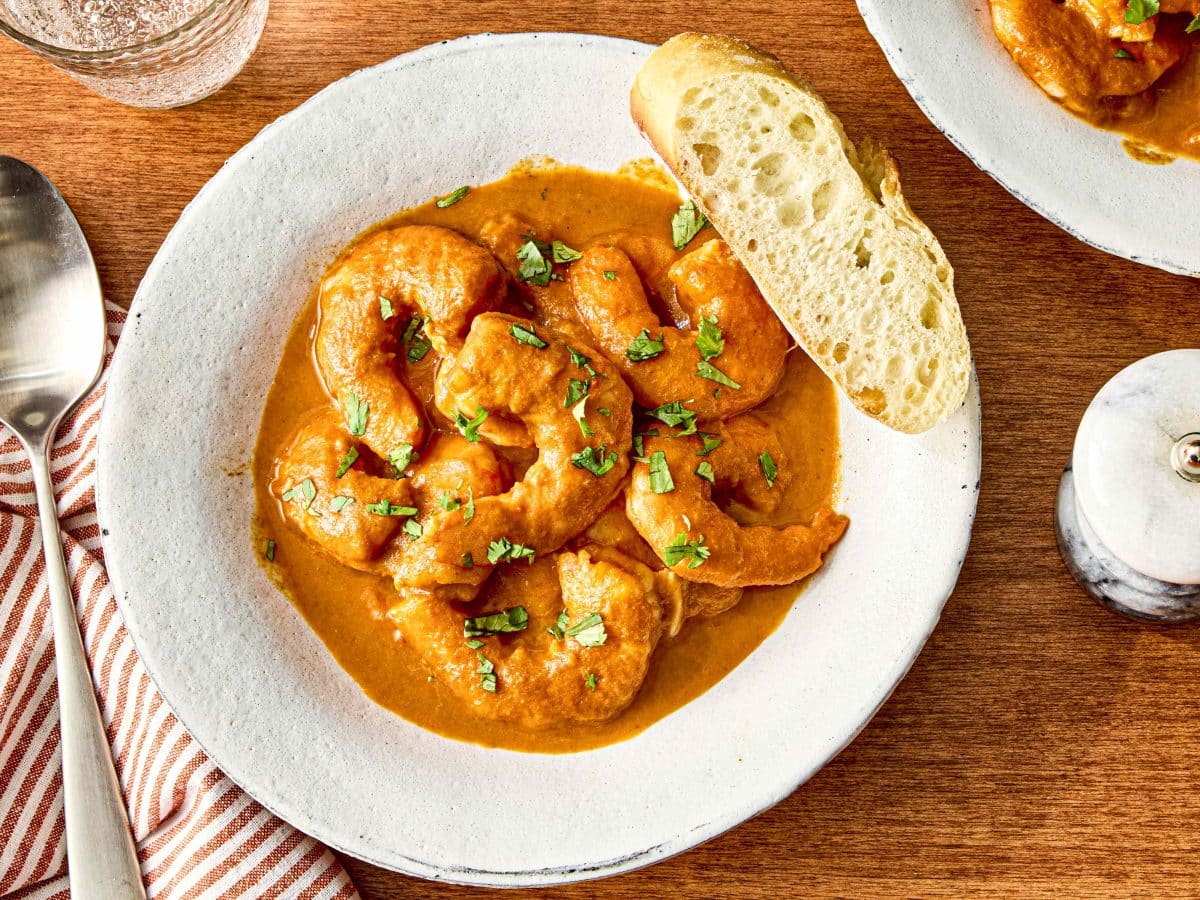
This summer’s simplest upgrade to weeknight cooking comes from an unexpected move: turn Spanish chorizo into the backbone of a pan sauce and let it carry quick-cooking shrimp. The result is a smoky, savory dish that cooks in minutes, uses everyday pantry staples, and delivers restaurant-level flavor without a long recipe.
Why this matters right now
With warm-weather gatherings and busy schedules, cooks are looking for fast dinners that still feel special. Transforming Spanish chorizo into a sauce concentrates its smoked paprika and cured pork flavors, so a small amount flavors an entire skillet — ideal when time and attention are limited.
Caramel, butterscotch, toffee: how their differences affect your desserts
McDonald’s rebrands Twitter to honor Bubba Wallace after his first NASCAR Cup win
How the technique works
Start by thinly slicing or crumbling the chorizo and warming it slowly. As the cubes render, the fat becomes a natural flavor carrier: it browns aromatics, coats shrimp, and helps the other ingredients cohere into a glossy pan sauce. Deglazing the pan with a splash of wine, broth, or preserved citrus loosens browned bits and builds depth in moments.
Cooking shrimp in that flavored oil is the key: they pick up smoke and spice without being overwhelmed. Finish the pan with a bright acid and fresh herbs to balance the richness.
Practical recipe blueprint
- Prep: Peel and devein shrimp; pat dry so they sear cleanly.
- Render: Gently cook chorizo until it has released its oil and developed color.
- Build: Add aromatics (garlic, onion or shallot), then deglaze with white wine, sherry, or chicken stock.
- Cook shrimp: Add shrimp to the hot pan, cook 1–2 minutes per side until opaque.
- Finish: Stir in a squeeze of lemon, chopped parsley or cilantro, and a pat of butter or olive oil for sheen.
Timing and texture tips
Pay attention to shrimp size: larger shrimp need slightly more time but should never be cooked past opaque and just-firm. Let the chorizo go low and slow at first so the fat renders without burning the spices. If the pan dries out, add a small splash of liquid rather than cranking the heat.
Ingredient choices that shape the dish
Not all chorizo is the same. Use cured Spanish chorizo for a firm, smoky backbone; fresh Mexican chorizo behaves more like sausage and releases more grease and moisture. If you want pronounced smokiness without pork, add smoked paprika to neutral oil and follow the same method.
For a lighter meal, reduce the chorizo and bulk the dish with tomatoes, peas, or white beans. The pan sauce clings to starches, so serve with bread, rice, or a simple pilaf.
Serving and pairings
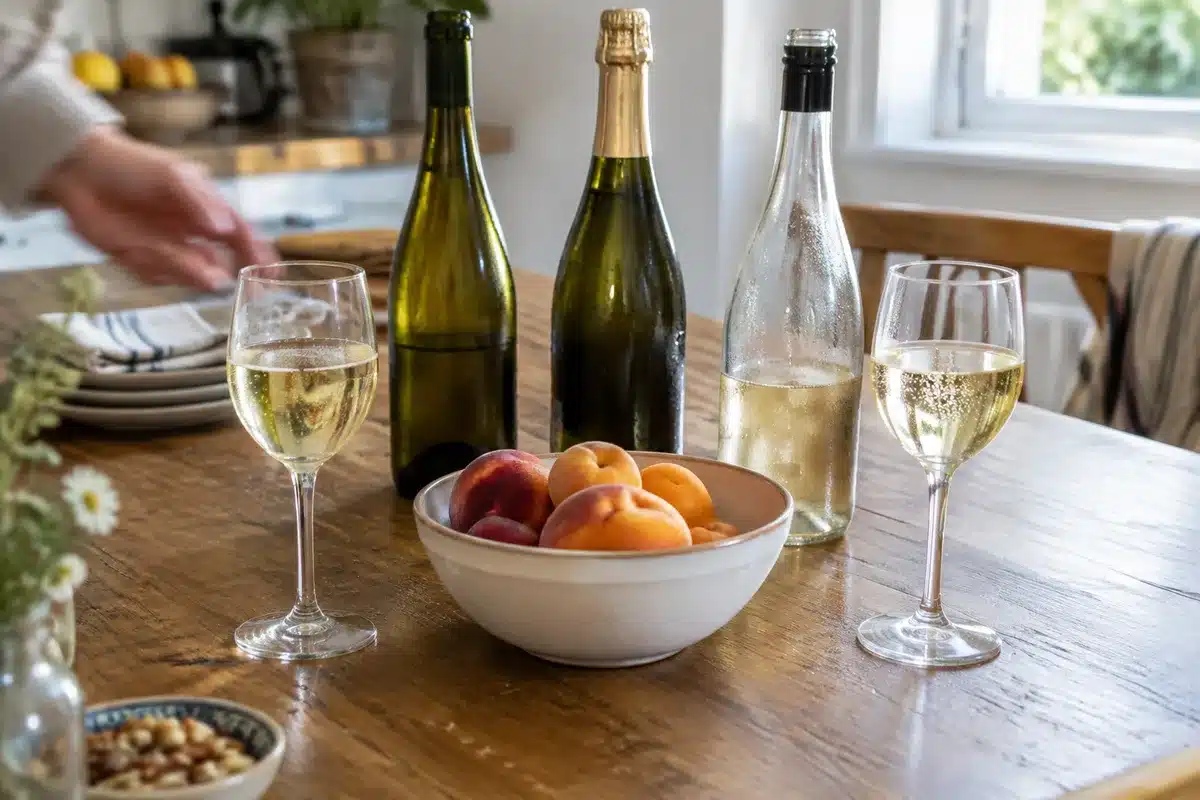
Because the sauce is rich and smoky, pair the dish with bright, high-acid wines or crisp beers to cut through the fat. Try an Albariño, Verdejo, or a citrus-forward pilsner. A green salad or lemony slaw adds contrast and freshness.
Substitutions and dietary notes
- Vegetarian alternative: sauté smoked mushrooms and use smoked paprika plus tomato paste for depth.
- Low-sodium option: use less chorizo and a low-sodium stock; finish with lemon to amplify flavor without salt.
- Gluten-free: this recipe is naturally gluten-free if you choose a wine or stock without additives.
Storage and leftovers
Store cooled shrimp and sauce in an airtight container for up to two days; reheating gently in a pan over low heat preserves texture better than the microwave. Avoid reheating repeatedly — shrimp becomes rubbery if overcooked.
Turning Spanish chorizo into a sauce is a small technique that yields big returns: minimal hands-on time, bold flavor, and flexible serving options. It’s a reliable shortcut for busy evenings and an easy way to make seafood feel celebratory without elaborate prep.
Irish whiskey: approachable bottles new drinkers should try today
Fishtown restaurants ranked: must-visit spots locals are raving about