
Show summary Hide summary
For anyone looking to tighten up their weeknight rotation, a handful of Chinese dishes deliver reliable flavor, fast prep, and familiar comfort. These are the recipes our kitchen keeps returning to—simple techniques, pantry-friendly ingredients, and results worth repeating.
Why this matters now: with grocery budgets and time squeezed, cooking that balances speed, nutrition, and taste helps households eat better without extra fuss. The selections below are practical, adaptable, and scalable for singles, families, or meal-prep batches.
Core dishes that earn regular repeat turns
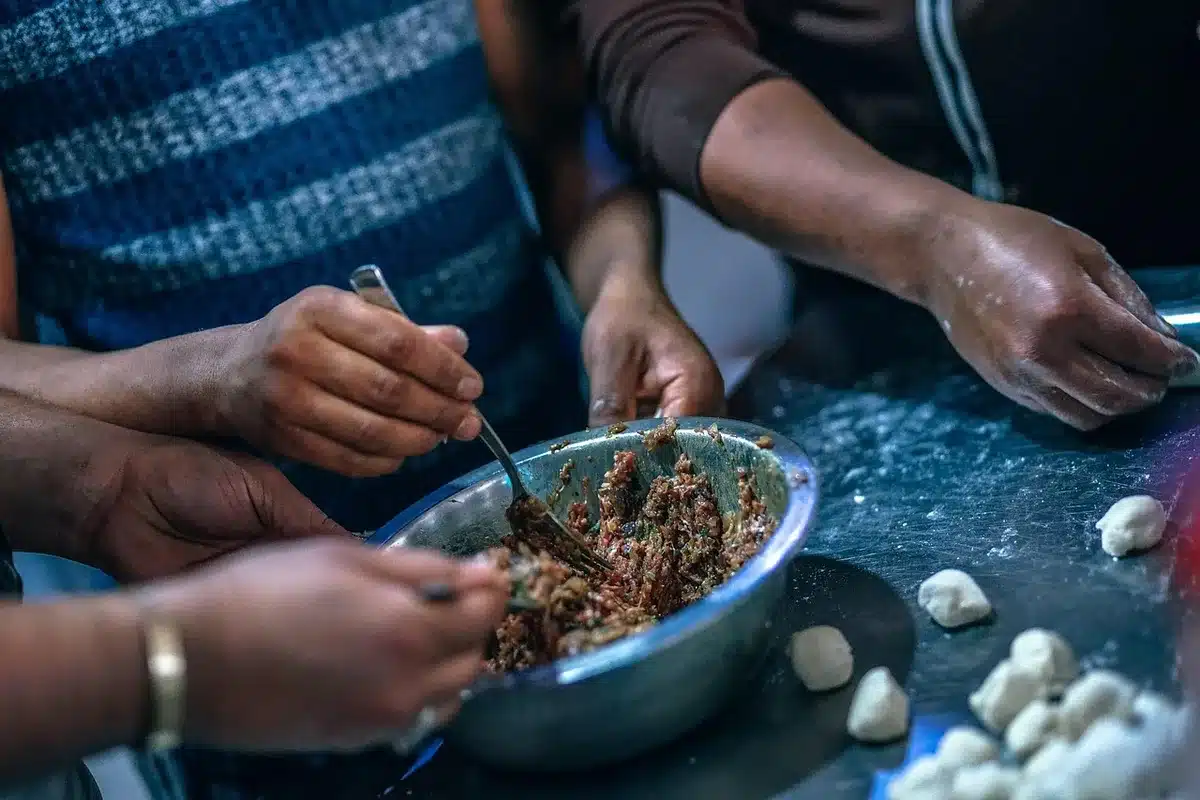
- Dumplings — Potstickers or boiled dumplings are both fast to assemble once you have a filling down: ground pork (or mushrooms for veg), chopped chives, soy, and sesame oil. They freeze well and reheat in a hot pan for a crisp bottom.
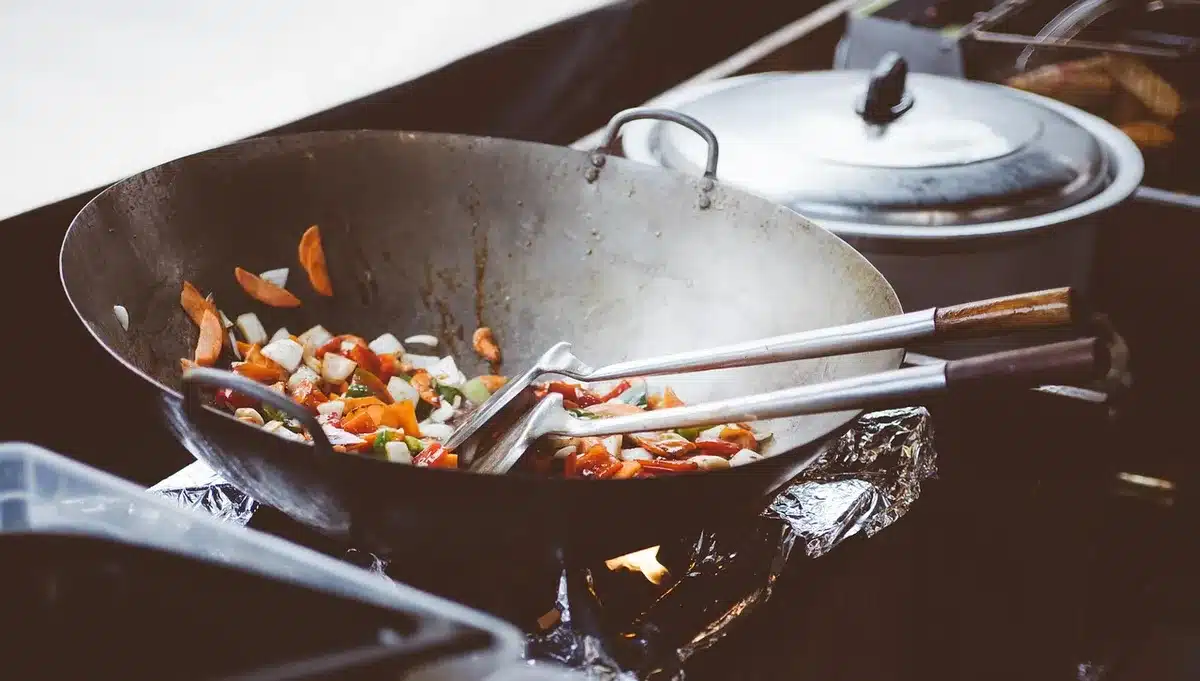
- Stir-fry — A template more than a recipe: protein, seasonal veg, a hot wok, and a sauce of soy, rice wine, and a pinch of sugar. Ready in minutes and endlessly variable.
- Mapo tofu — Spicy, savory, and forgiving. Soft tofu in a bold sauce with fermented bean paste and ground pork or mushrooms makes a small amount of protein go a long way.
- Egg fried rice — A perfect use for leftover rice; eggs, scallions, and a splash of soy transform cold rice into a satisfying main or side.
- Dan dan–style noodles — Quick to pull together: ground meat, chili oil, sesame or peanut paste, and chewy noodles. It’s comfort that comes together in under 20 minutes.
- Char siu–style roasted pork — Marinated ahead and roasted or baked, it slices thin for rice bowls, sandwiches, or fried rice add-ins.
- Steamed whole fish or fillets — Minimal seasoning (ginger, scallion, a drizzle of hot oil) highlights freshness and keeps dinner light.
- Garlic bok choy or Chinese broccoli — Fast-sauteed greens that cut through richer mains and add color and nutrients at the table.
Caramel, butterscotch, toffee: how their differences affect your desserts
McDonald’s rebrands Twitter to honor Bubba Wallace after his first NASCAR Cup win
Practical tips that change weeknight outcomes
One small habit lifts most of these dishes: plan one prep session each week. Chop scallions, grate ginger, and portion proteins into meal-sized packs. That 20-minute session reduces weekday cooking time dramatically.
Another useful rule: treat sauces as building blocks. Keep stocked jars or small bowls of soy, rice vinegar, chili oil, and sesame oil. Mixing a quick sauce always saves time and keeps flavors consistent.
| Dish | Typical time | Difficulty |
|---|---|---|
| Dumplings | 30–45 min (or make-ahead) | Moderate |
| Stir-fry | 10–15 min | Easy |
| Mapo tofu | 20–25 min | Easy |
| Egg fried rice | 10 min | Easy |
| Dan dan noodles | 15–20 min | Easy |
Small technique notes
For crisp-skinned potstickers, steam first, then pan-fry briefly to brown the bottom. For stir-fries, make sure oil and pan are hot before adding ingredients; this preserves texture and prevents steaming.
When using tofu, press it briefly to remove excess water if you want a firmer bite; for a silkier result, use it straight from the package. And when reheating fried rice, add a splash of water and heat on high so grains separate and don’t clump.
What to expect at the grocery
Most items are inexpensive and widely available: plain tofu, scallions, a block of frozen dumpling wrappers (or a small flour and water dough), soy sauce, and a jar of chili oil or fermented bean paste. These staples cover many recipes and minimize trips to specialty shops.
Finally, these dishes reward small personalization—swap proteins, use whatever greens are on sale, or dial the heat up or down. They’re reliable building blocks for a practical, flavorful home cooking rotation that keeps dinner interesting without being work.
Irish whiskey: approachable bottles new drinkers should try today
Fishtown restaurants ranked: must-visit spots locals are raving about










