
Show summary Hide summary
When people talk about Nashville hot chicken today, they’re often tasting a slice of one man’s story as much as a plate of fiery poultry. The spicy sandwich that now appears from coast to coast traces back to a small Nashville eatery and to the personality behind it—Thornton Prince—whose life and legend help explain why this dish matters beyond mere heat.
Prince’s version of hot chicken arrived in a segregated, booming Nashville and quickly became a neighborhood staple. Over decades the recipe, the ritual of serving it on white bread with pickles, and the shop that sold it turned into a touchstone of city identity—and into a national food trend that still raises questions about authenticity and cultural ownership.
From neighborhood counter to national phenomenon
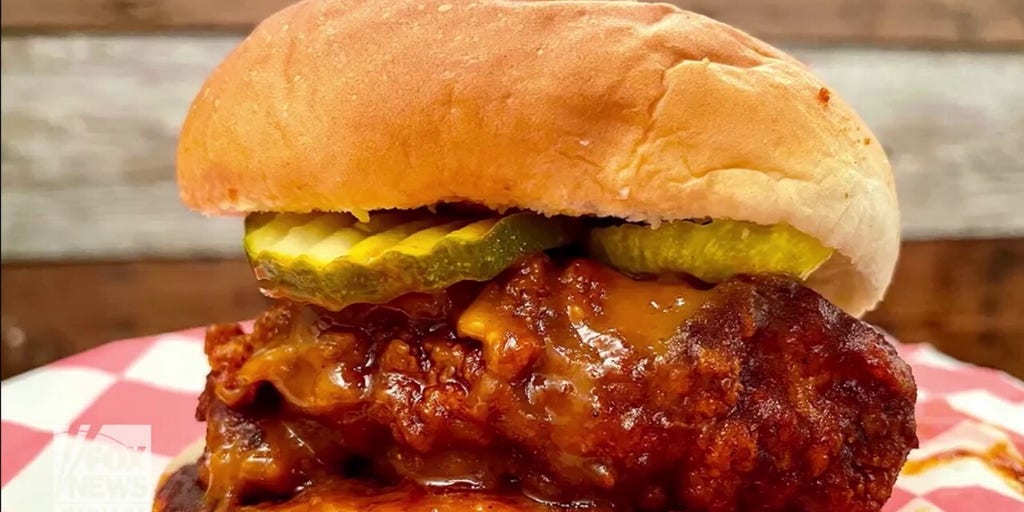
The basic elements are simple: fried chicken dunked in a cayenne-spiked oil or paste, often finished with a crust of spicy seasoning. But the story behind the dish carries texture that a recipe alone does not.
Caramel, butterscotch, toffee: how their differences affect your desserts
McDonald’s rebrands Twitter to honor Bubba Wallace after his first NASCAR Cup win
Local accounts describe Prince as a charismatic, entrepreneurial figure who refined a bold, pepper-forward approach to fried chicken. The tale most often told—sometimes as legend, sometimes as family history—says a scorned partner once cooked him an unusually hot batch; instead of being embarrassed, he embraced the burn and opened a shop built around that intense flavor.
Whether every detail of that anecdote is literal truth is less important than the way it shaped the brand and the neighborhood memory. For many Nashvillians, the chicken is inseparable from the person and the storefront where people queued for plates of blisteringly seasoned meat.
Why this still matters
The spread of hot chicken beyond Tennessee offers a clear example of how regional foods travel—and what gets gained and lost as they do. As chefs and fast-food chains across the United States add hot chicken to menus, the dish has become both a symbol of Nashville’s culinary export and a case study in cultural diffusion.
- Origins: Rooted in Nashville neighborhoods, popularized by Prince’s establishment and family legacy.
- Signature elements: Fried chicken, a cayenne-based spice coating, served on white bread with pickles.
- Evolution: From a single shack to many iterations—local joints, riffs by chefs, and national menu rollouts.
- Current conversation: Balancing growth with acknowledgment of origins and the community that created it.
For diners, the rise of hot chicken means more access to a dish once limited to a few blocks of Nashville. For restaurateurs and cultural advocates, it has prompted deeper conversations about provenance, credit, and the economic benefits that do—or do not—flow back to the communities where the recipe began.
How people experience it today
There are many ways to encounter hot chicken now: an unapologetically spicy plate at a family-owned counter; a refined, chef-driven version plated with sides and cocktails; or a fast-casual take that aims for consistency across dozens of locations. Each approach highlights different priorities—tradition, innovation, or scalability.
Nevertheless, some constants remain: the literal punch of spice, the contrast of grease and pickles, and the cultural resonance that makes a simple sandwich feel like a piece of Nashville history.
Those who travel to the city still make time for the original shops; visitors often report that the experience—standing at a narrow counter, waiting for a paper-wrapped plate—connects them to a story as much as to a taste. Meanwhile, chefs elsewhere reinterpret the concept, swapping oils, changing bread, or experimenting with heat levels to suit local palates.
Looking ahead
Hot chicken’s journey is ongoing. Its continuing popularity will test whether a regional specialty can be shared widely without losing the link to its roots. For now, the dish remains a vibrant example of how food, memory, and personhood can combine: a culinary export that carries Thornton Prince’s name and the imprint of his neighborhood into kitchens and menus across the country.
For anyone curious about authenticity, culinary history, or the mechanics of food trends, one bite of Nashville hot chicken offers a starting point—and a reminder that great food stories are rarely just about ingredients.
Irish whiskey: approachable bottles new drinkers should try today
Fishtown restaurants ranked: must-visit spots locals are raving about










