Show summary Hide summary
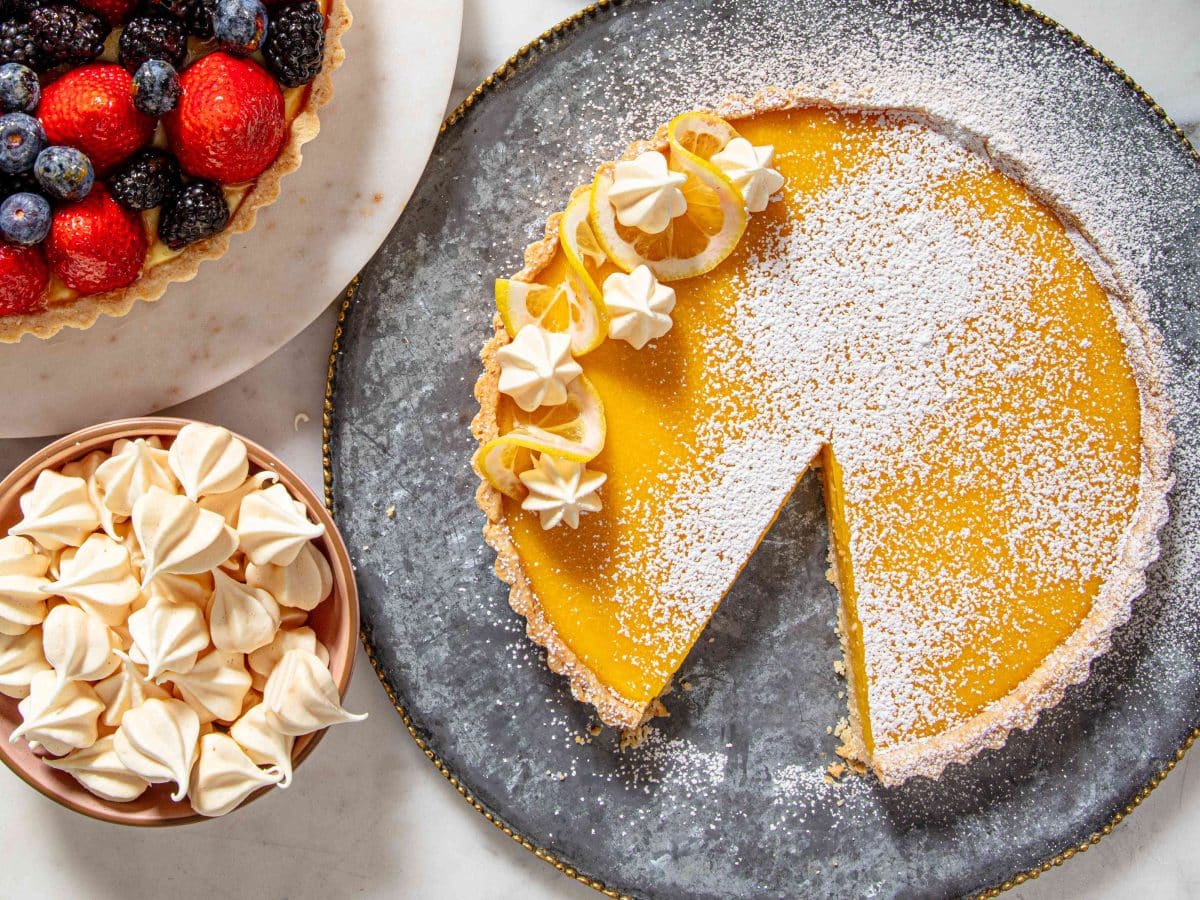
A bright lemon tart that tastes like a patisserie creation can be simpler than it looks — and timely, too: with citrus abundant this season, it’s one of the quickest desserts to lift a weeknight dinner or small gathering. This guide breaks the process down into manageable steps, with shopping tips and small techniques that make a reliably smooth finish.
Why this matters now
Short, flavorful desserts are in demand as more people look for high-impact recipes that don’t require all day in the kitchen. A classic lemon tart delivers bold flavor with a small ingredient list, and its bright acidity pairs well with late-spring and early-summer menus.
Caramel, butterscotch, toffee: how their differences affect your desserts
McDonald’s rebrands Twitter to honor Bubba Wallace after his first NASCAR Cup win
Beyond convenience, the tart showcases a few basic techniques — making a crisp shell, preparing a silky curd, and finishing with a clean presentation — skills that improve quickly with repetition.
Quick shopping list
- Plain flour, unsalted butter, and a pinch of salt for the pastry (or a prepared tart shell if you prefer)
- Fresh lemons (zest and juice) — choose firm fruit with a fragrant skin
- Granulated sugar and eggs for the filling
- Butter to enrich the filling and smooth the texture
- Optional: powdered sugar for dusting, or light whipped cream for serving
At-a-glance timeline
Expect 15–25 minutes of active prep and 30–40 minutes of baking/chilling, depending on method and whether you blind-bake the crust. If you use a premade shell, total time drops substantially.
Two straightforward approaches
The method you choose depends on how much hands-on time you want and whether you prefer a set, baked custard or a glossy curd set in a prebaked shell.
Baked lemon tart — whisk the lemon, sugar, eggs, and a little cream or melted butter, pour into a blind-baked shell, and bake until the filling is just set. The result is a velvety, sliceable tart with a slightly firmer surface.
Stovetop curd with prebaked shell — cook lemon juice, sugar, eggs, and butter into a thick curd on the stove, strain, cool slightly, then pour into a prebaked crust and chill. This gives a glossy, intensely lemony finish with a creamier texture.
Basic method (stovetop curd + prebaked crust)
Follow this outline for a reliable dessert without fuss:
- Preheat the oven to 180°C (350°F). Blind-bake a shortcrust shell until pale gold; cool on a rack.
- In a heatproof bowl over simmering water, whisk together eggs, sugar, lemon zest, and juice. Stir until the mixture thickens slightly, then remove from heat and whisk in cold butter, piece by piece, for a smooth curd.
- Strain the curd to remove any bits of coagulated egg and pour into the cooled shell. Chill until fully set, about 2 hours, or for a firmer result, chill then briefly bake at low temperature to finish.
- Serve lightly dusted or with a small spoonful of softly whipped cream.
Practical tips that matter
Temperature control is the most common variable that affects texture. Cook the curd gently and constantly whisk; if it overheats, the eggs will scramble and you’ll lose the silkiness. Straining is a small step that makes a big difference in appearance.
For the pastry, work quickly to keep the butter cold. A short, tender shell is preferable to an overworked, tough crust. If time is short, a prebaked store-bought shell is a perfectly acceptable shortcut.
- Use fresh lemon juice: bottled juice lacks the bright aromatics that lift the filling.
- Don’t skip straining: it removes any curdled bits and yields a glossy surface.
- Adjust sweetness to taste: start with the suggested amount of sugar, then add more if your lemons are unusually tart.
Variations and serving ideas
Small tweaks can shift the tart’s profile: add a teaspoon of finely grated ginger for warmth, fold a little lemon zest into whipped cream for contrast, or top thinly sliced fresh strawberries for a seasonal pairing that balances the citrus.
Leftovers keep well in the fridge, covered, for two to three days. For best texture, bring slices to room temperature for 15–20 minutes before serving.
Minimal equipment, a short ingredients list, and a straightforward technique make this lemon tart a useful recipe to add to the repertoire. It’s also a practical way to practice two core skills — making a crisp shell and a smooth curd — that will translate to other fruit tarts and custard-based desserts.
Irish whiskey: approachable bottles new drinkers should try today
Fishtown restaurants ranked: must-visit spots locals are raving about