Show summary Hide summary
National Sandwich Day falls on November 3 — a modest calendar marker that nonetheless spotlights one of the most adaptable items in modern diets. As sandwiches continue to inspire menu experiments, regional riffs and record-breaking stunts, the day is an invitation to test your knowledge and rethink what a sandwich can be.
The basics matter: a few well-chosen ingredients define many classic varieties, but local tastes and fast-food trends keep evolving what ends up between the bread. That makes today a good moment to both celebrate simple classics and see how much trivia you actually know.
What to know about classic sandwiches
Some sandwiches are defined by a short list of components that rarely change. Others are more open to interpretation. Below are core elements for several well-known types — useful both for ordering and for trivia.
Caramel, butterscotch, toffee: how their differences affect your desserts
McDonald’s rebrands Twitter to honor Bubba Wallace after his first NASCAR Cup win
- Reuben: corned beef, Swiss cheese, sauerkraut and a creamy dressing (often called Russian or Thousand Island).
- Club: layers of turkey (or chicken), bacon, lettuce, tomato and mayonnaise — frequently served on triple-decker toast.
- Cuban: roasted pork, ham, pickles, mustard and Swiss cheese, pressed on Cuban-style bread.
- Philly cheesesteak: thinly sliced steak with onions and melted cheese; regional variants add peppers or use cheese whiz.
- Italian sub: an assortment of cured meats and provolone with lettuce, tomato, onion and a vinaigrette or oil.
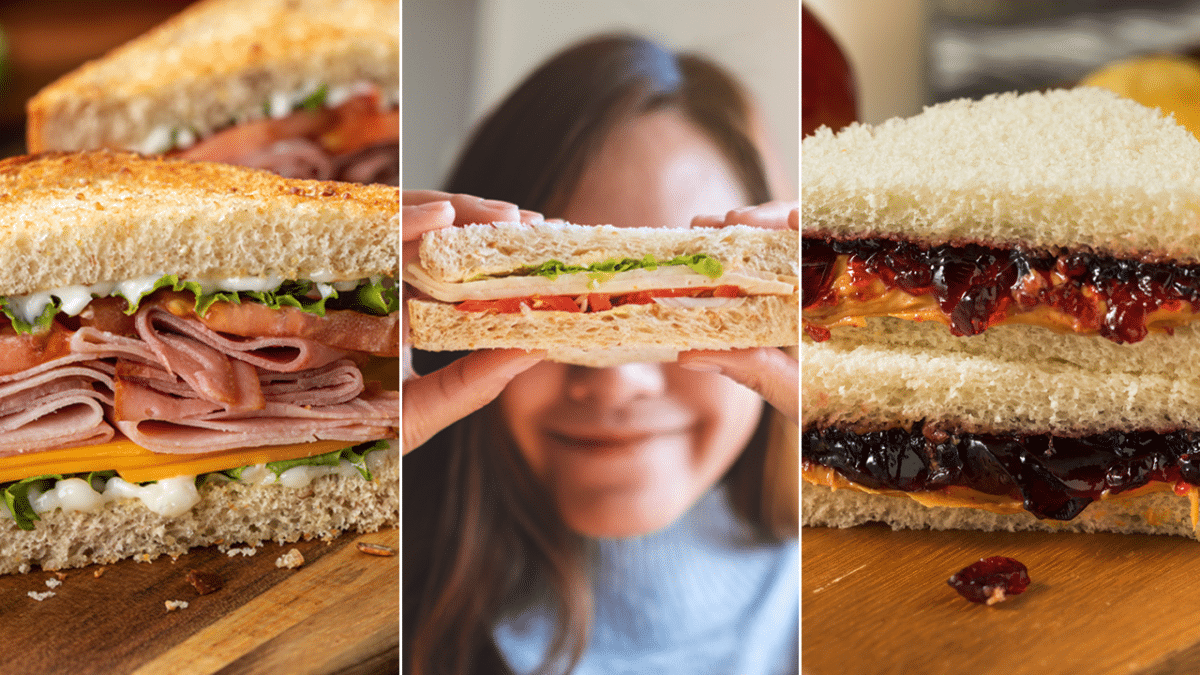
- PB&J: peanut butter and jelly, a U.S. staple traditionally served at room temperature; a sealed, crustless commercial version is commonly known as an Uncrustable.
These short ingredient lists explain why sandwiches are both easy to make at home and simple to adapt in restaurants. They’re also the types of details quiz-makers often test.
Why this matters now
Food chains and local delis keep nudging sandwich culture — introducing new toppings, regional spreads like pimento cheese, or limited-time variations that can quickly become menu staples. For readers, that translates into fresh lunch options and the chance to rediscover familiar favorites.
On the cultural side, sandwiches are also a lens into history: the name is commonly linked to John Montagu, the 4th Earl of Sandwich, an 18th-century English noble often credited with popularizing the convenient hand-held meal.
Quick facts and trivia starters
Here are a few quick points that often appear in quizzes and conversations about sandwiches:
- Consumption estimates place daily U.S. sandwich intake in the hundreds of millions, underscoring their central role in American eating habits.
- Sandwich records and novelty builds — from very large loaves to mass production challenges — tend to make headlines and push creative limits.
- Regional names vary: what one place calls a “hero,” another may call a “hoagie” or “sub.”
Whether you’re a casual eater or a sandwich aficionado, National Sandwich Day offers a low-stakes way to engage with food culture: try a new filling, revisit a classic, or take a short quiz to test your knowledge.
Take the quiz: Try an interactive sandwich quiz from our lifestyle desk to see how many of these facts you’ve got right — available on mobile and desktop.
Fox News Digital lifestyle desk
Irish whiskey: approachable bottles new drinkers should try today
Fishtown restaurants ranked: must-visit spots locals are raving about