Show summary Hide summary
If you want restaurant-quality browning at home, temperature and timing matter more than fancy ingredients. A properly heated skillet plus a few disciplined steps transform ordinary protein into a dish with crisp crust, concentrated flavor, and a juicier interior—advantages you can taste on the first bite.
Why the sear still matters
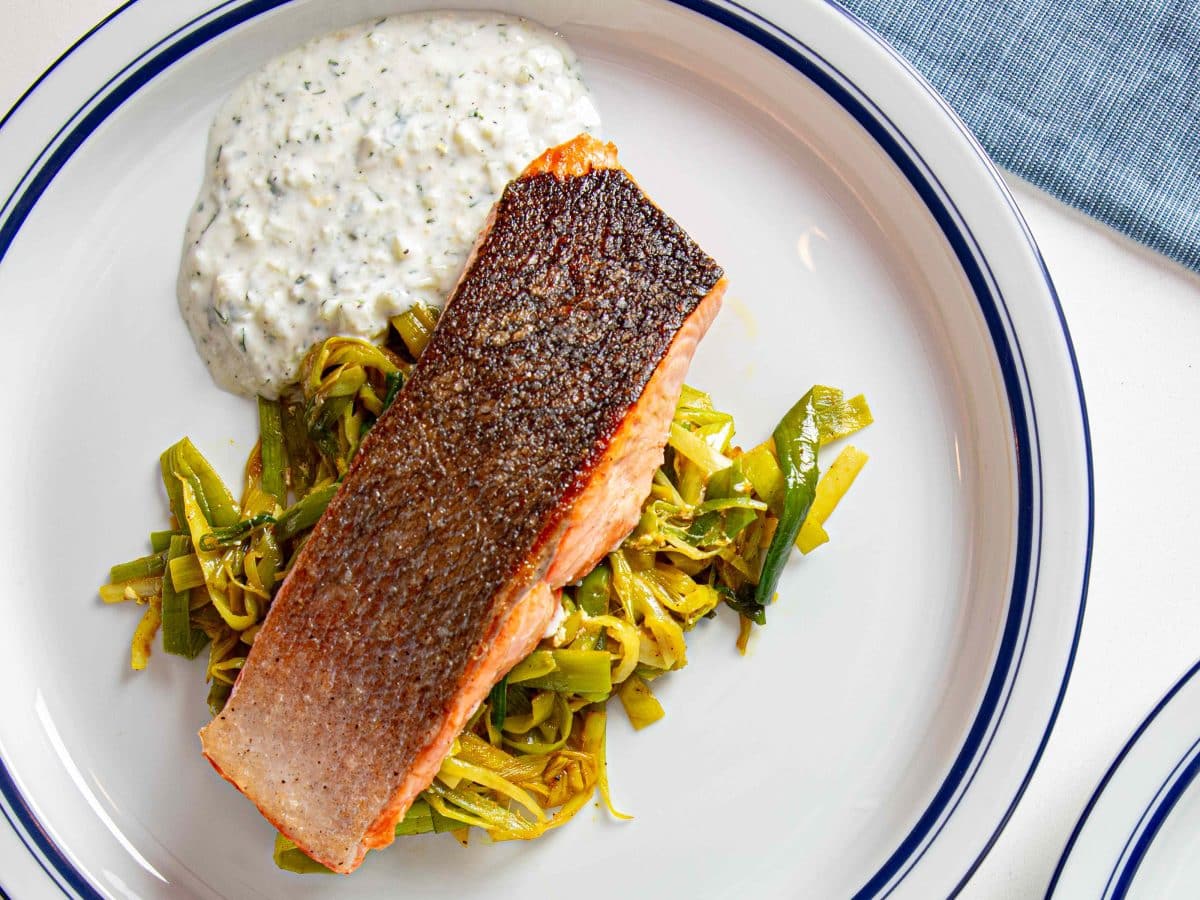
Home cooking is trending toward better tools and techniques: cast-iron skillets, induction ranges, and confidence with higher heat. But those investments only pay off when heat is managed correctly. A strong sear does more than look good; it creates complex flavors through surface browning while sealing juices inside the meat. That effect is the difference between a bland pan-fried piece and something that tastes like it came from a busy restaurant line.
Caramel, butterscotch, toffee: how their differences affect your desserts
McDonald’s rebrands Twitter to honor Bubba Wallace after his first NASCAR Cup win
Core principles to get right
Start with these essentials and the rest falls into place.
- Preheat thoroughly. Cold metal steals heat from your food and prevents browning. Wait until the pan is visibly hot—small beads of oil should move quickly across the surface.
- Dry the surface. Moisture interferes with browning. Pat proteins dry with paper towels before seasoning.
- Choose the proper oil. Use an oil with a high smoke point so it won’t burn before the food sears.
- Avoid crowding. Overloading the pan lowers temperature and causes steaming instead of searing.
- Use contact, not constant flipping. Let the food develop a crust before turning; frequent movement prevents a proper crust from forming.
Practical step-by-step
Follow this simple routine for steaks, chicken breasts, fish fillets, or thick vegetables.
1. Bring the protein to near room temperature for even cooking. 2. Pat dry and season just before it hits the pan. 3. Heat the skillet until it’s hot—when a drop of water sizzles and disperses, you’re ready. 4. Add a thin film of oil with a suitable smoke point. 5. Place the food in the pan and resist fidgeting; let it develop a deep, even crust. 6. Finish in the oven if the interior needs more time, then rest before slicing.
Common pitfalls and how to avoid them
Everyone makes mistakes the first few times; these are the most frequent and easiest to fix.
- Using the wrong fat: butter alone will burn at high heat—use a neutral high-smoke-point oil and add butter near the end for flavor.
- Overcooking because you were impatient: use an instant-read thermometer to check doneness.
- Skipping the rest: cutting immediately lets juices run out; give the meat a short rest on a warm plate.
Quick reference: oils and smoke points
| Oil | Typical smoke point (approx.) | Best use |
|---|---|---|
| Avocado oil | around 500°F / 260°C | High-heat searing |
| Refined grapeseed | around 420°F / 215°C | Neutral flavor, good for searing |
| Light olive oil (refined) | around 465°F / 240°C | Searing at moderately high heat |
| Butter | around 300–350°F / 150–175°C | Finish for flavor, not initial high-heat sear |
Finishing moves that lift the result
After the crust forms, a brief deglaze with wine, stock, or even a splash of vinegar turns browned bits into a simple pan sauce. Basting with butter and herbs for the last 30 seconds adds sheen and aroma.
For thicker cuts, use the oven to complete cooking: transfer the skillet to a preheated oven and rely on residual heat to bring the center to the right temperature. Use a thermometer to confirm doneness rather than guessing.
Small changes, big difference
Mastering a hot skillet is less about drama and more about control: the right temperature, minimal moisture, and patience. These adjustments are low-cost and immediately noticeable—better texture, deeper flavor, and less time spent fixing overcooked results.
Try these steps the next time you cook at home. If you follow the fundamentals—heat, dryness, and timing—you’ll get consistent, restaurant-style sears without fancy equipment.
Irish whiskey: approachable bottles new drinkers should try today
Fishtown restaurants ranked: must-visit spots locals are raving about